
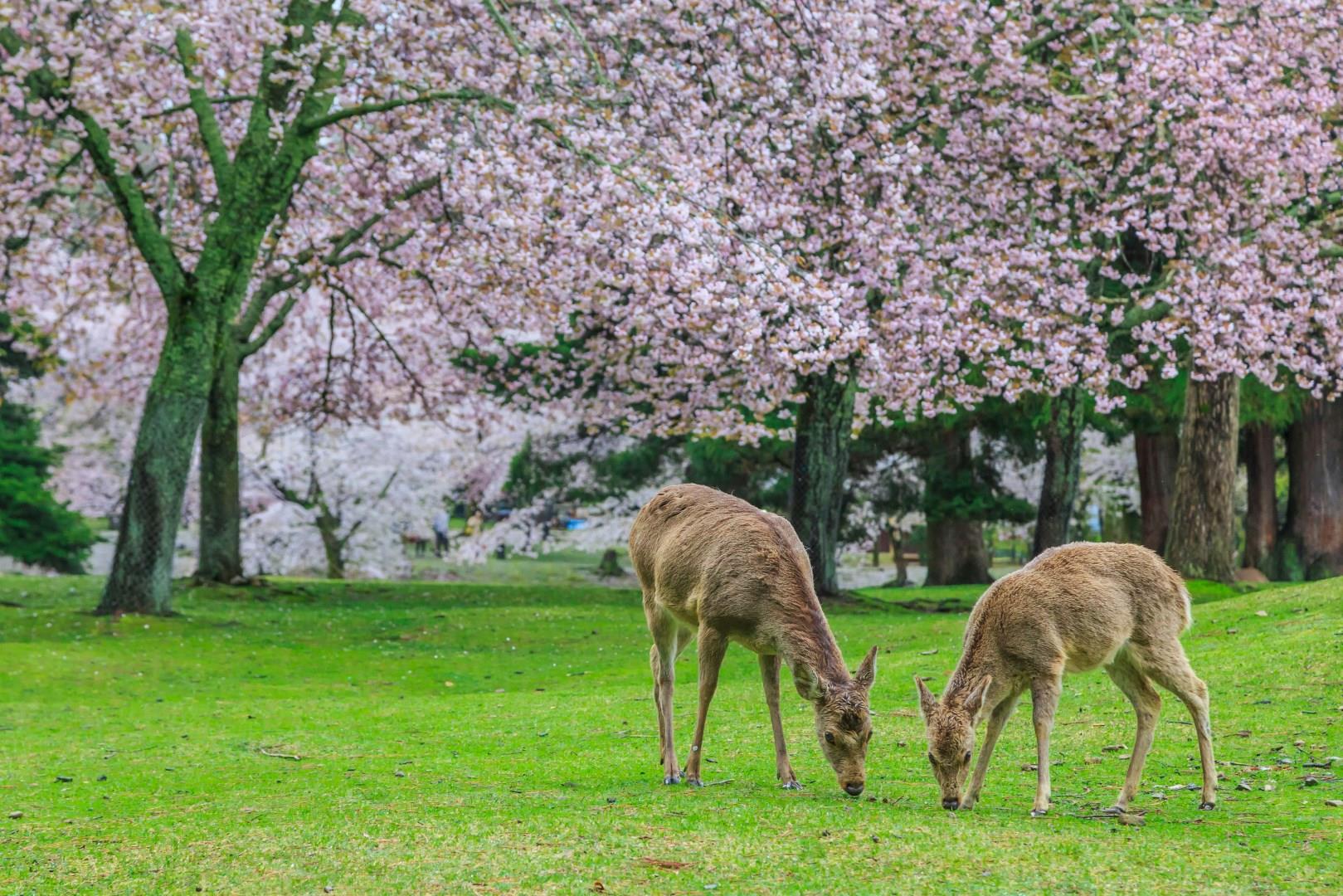
Nara
Nara, located in Japan’s Kansai region, is a city where ancient history and serene landscapes coexist. As the country’s first permanent capital, it preserves a wealth of historic sites that reflect its significance during the Nara period.

Graz
Graz, Austria's second-largest city, is a hidden gem that offers a perfect blend of history, culture, and modernity. Its well-preserved medieval old town, a UNESCO World Heritage Site, invites visitors to stroll through cobblestone streets lined with Renaissance courtyards and Baroque façades. At the heart of the city is the Schlossberg, a forested hill crowned by the iconic clock tower, Uhrturm.

Bulgaria
Bulgaria is a republic in southeastern Europe. The capital and largest city is Sofiya. Bulgarian culture has been influenced successively by Byzantine, Greek, Russian, and Western cultures.
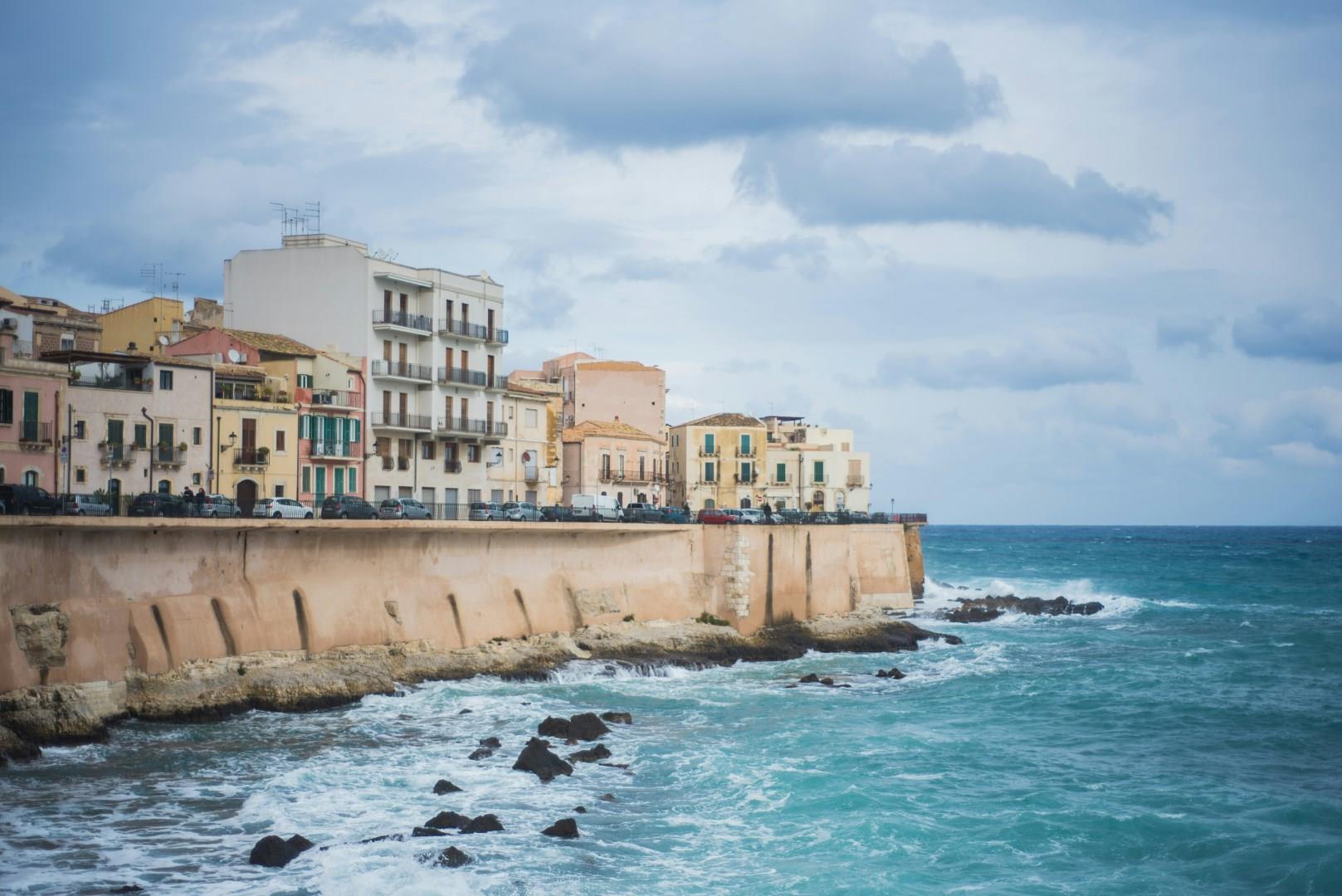
Syracuse
Syracuse, located on the eastern coast of Sicily, is a city where history and the sea converge in unforgettable ways. Founded by ancient Greeks in the 8th century BC, it became one of the most powerful city-states of its time. Today, visitors can explore the impressive archaeological park of Neapolis, which features a vast Greek theatre, Roman amphitheater, and the Ear of Dionysius, a limestone cave known for its remarkable acoustics.

Punta Cana
Punta Cana, on the eastern tip of the Dominican Republic, is known for its wide sweep of white-sand beaches and warm Caribbean waters. Once a quiet stretch of coastline lined with coconut palms, it has grown into one of the Caribbean’s most popular destinations while still offering plenty of spots that feel calm and remote.
