
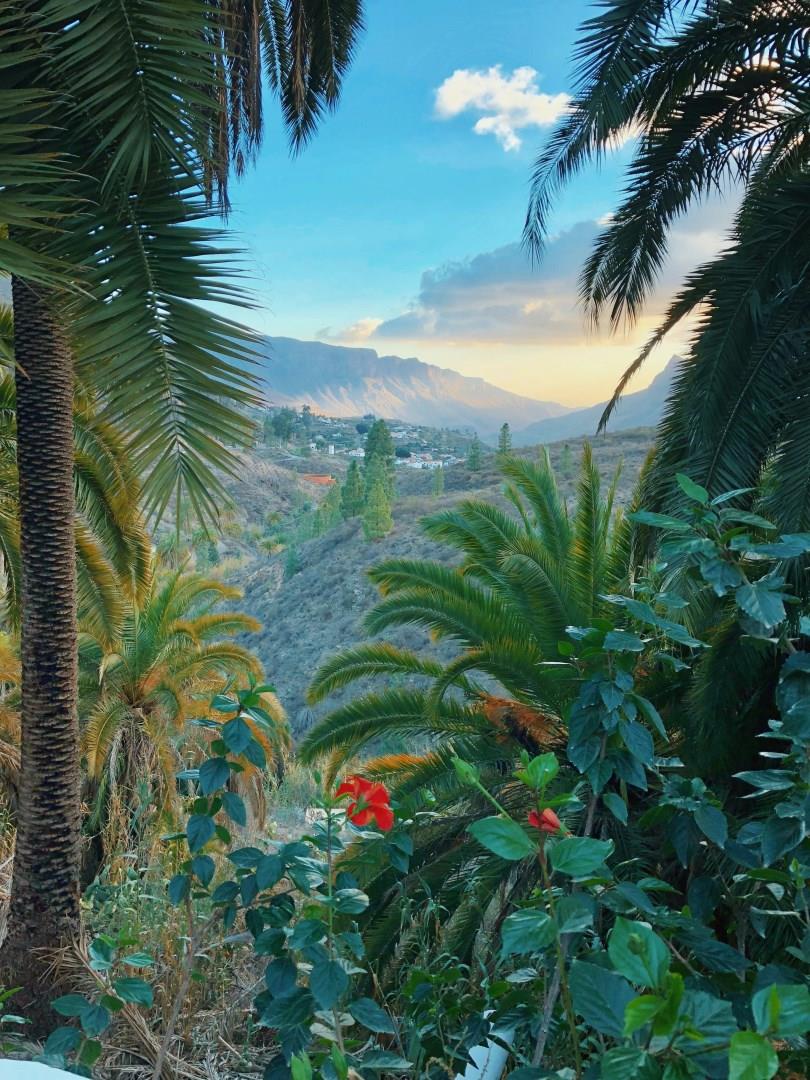
Gran Canaria
There is no other place with such a variety of scenery - deserts, mountains, lush tropical vegetation, and valleys filled with thousands of banana trees. Agriculture here offers everything: lime trees, vine-yards, coffee plantations, sugar cane, almond, tomato and banana crops, as well as, pine and palm forests.
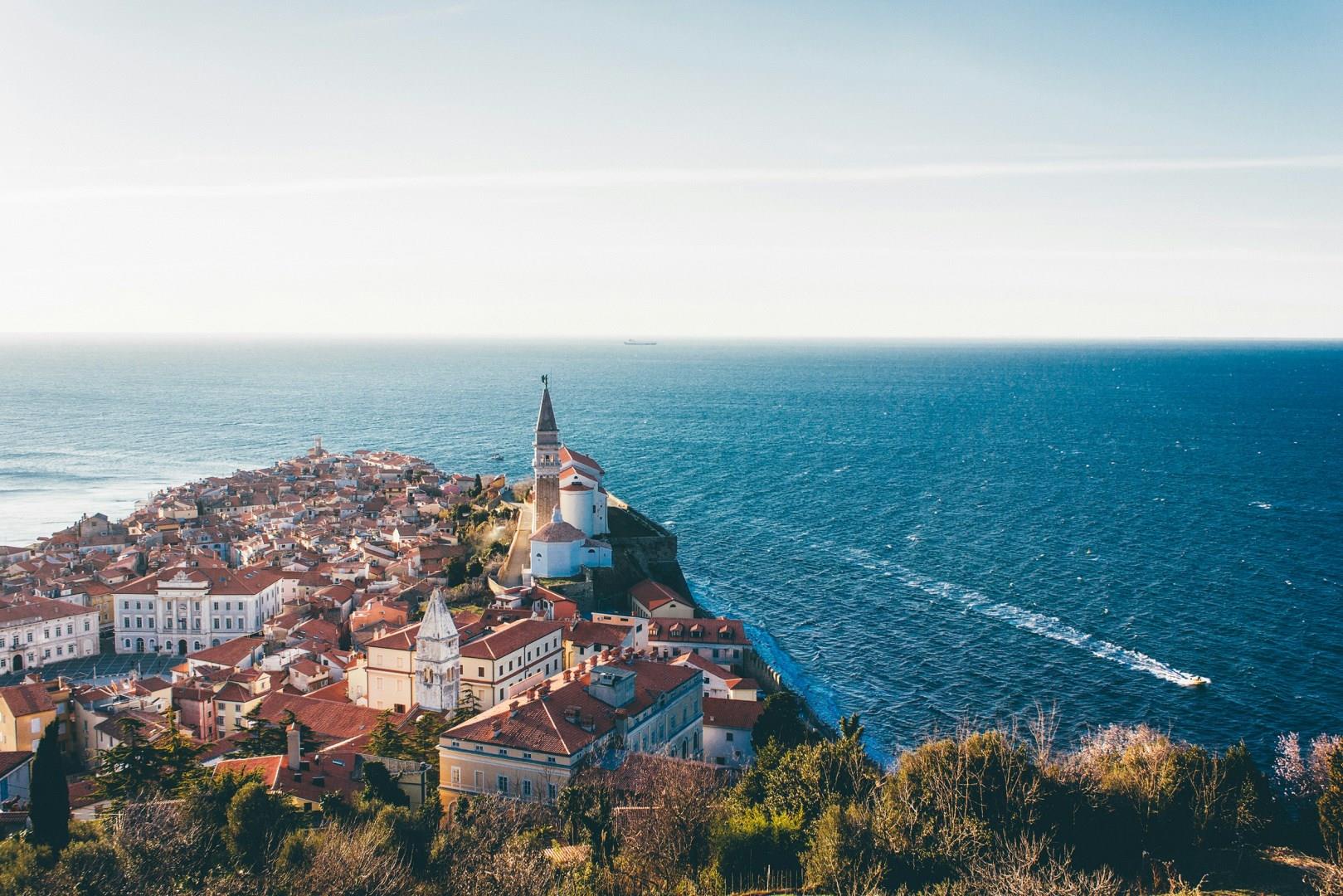
Piran
Piran, nestled along Slovenia's picturesque Adriatic coast, is a charming city that embodies a blend of medieval allure and seaside beauty. With its narrow, winding streets and well-preserved Venetian architecture, Piran offers a delightful glimpse into its rich history. A walk through Piran’s old town reveals its Venetian heritage, with charming piazzas, narrow alleys, and picturesque waterfronts.

Odense
At the very heart of Denmark lies Odense, birthplace of Hans Christian Andersen and Denmark's third-largest city - the fairy-tale capital of Funen, home to 200,000 people and with a history stretching back over 1000 years.

New Orleans
New Orleans is unlike any other city in the United States. Founded in 1718, it carries layers of French, Spanish, African, and Caribbean influence that can be felt in everything from its architecture to its street music. The French Quarter, the oldest neighborhood in the city, is full of iron-laced balconies, gas lamps, and narrow streets that echo with the sounds of live jazz.
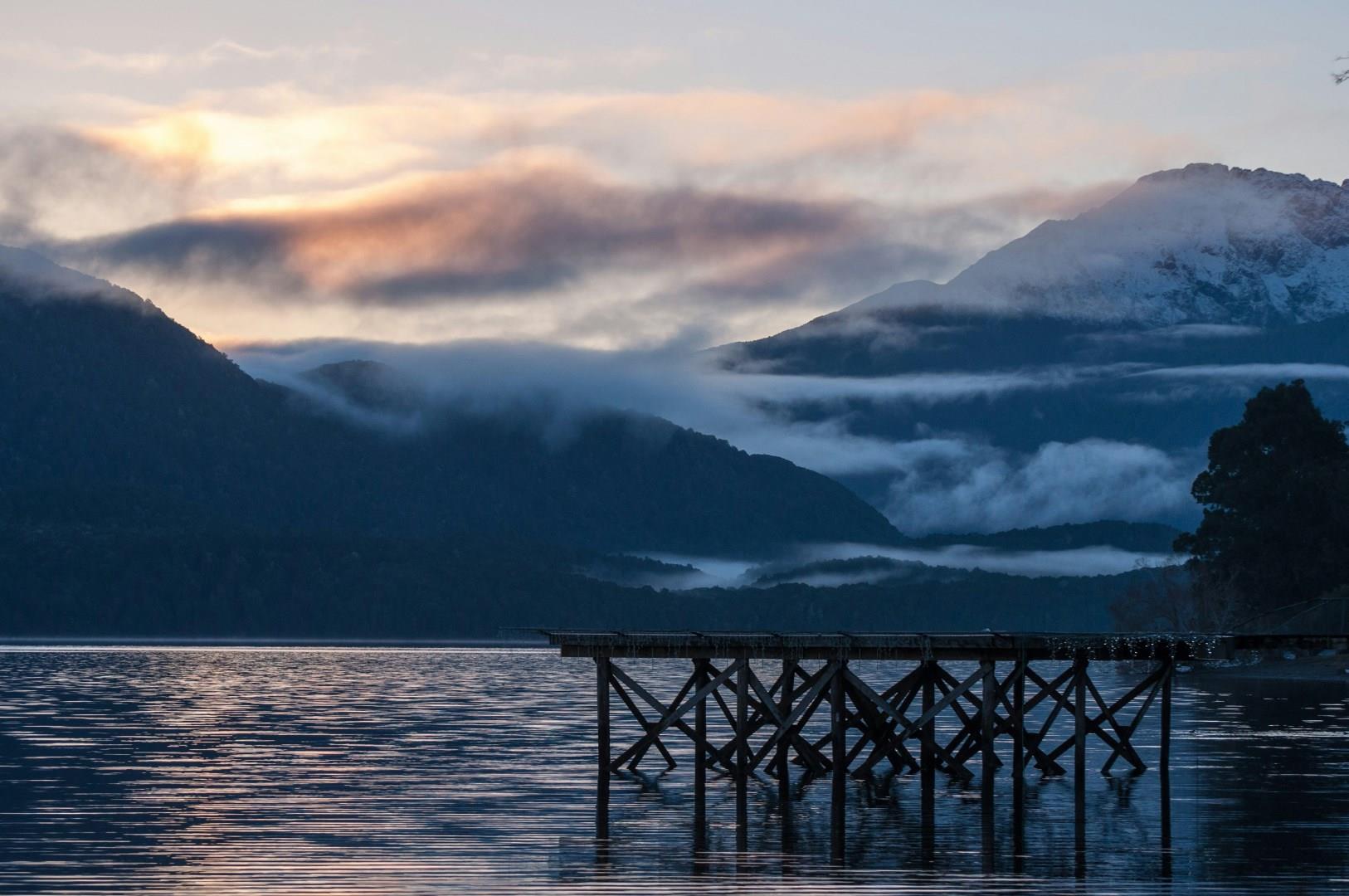
Te Anau
Te Anau sits on the edge of New Zealand’s second-largest lake, acting as the unofficial gateway to Fiordland National Park. While it’s often viewed as a starting point for trips to Milford Sound, the town itself offers a slower, more scenic way to experience the South Island’s dramatic landscapes. Te Anau’s lakefront is a mix of walking paths, local birdlife, and wide-open views across snow-dusted peaks.
