

Dominica
Dominica, known as the “Nature Island of the Caribbean,” is a haven for eco-tourists and adventure seekers. Nestled between the French islands of Guadeloupe and Martinique, this lush island boasts a remarkable landscape of volcanic mountains, dense rainforests, and stunning waterfalls. Dominica’s most iconic natural wonder is the Boiling Lake, the second-largest hot spring in the world.
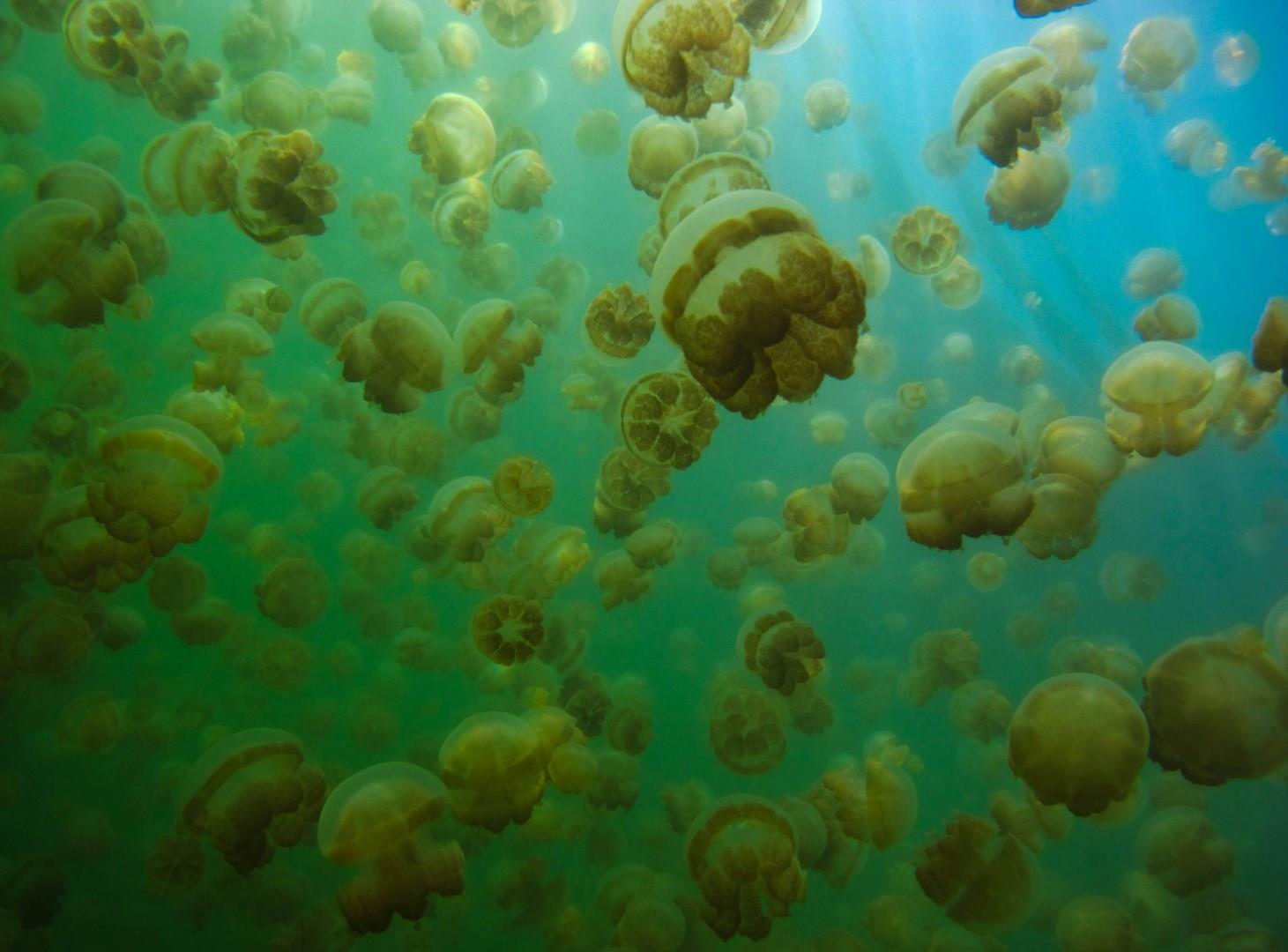
Jellyfish Lake
Jellyfish Lake is a shadowed oasis hidden among the mushroom-like Rock Islands of Palau. This forest‑fringed saltwater lake invites visitors to float with millions of gentle, stingless jellyfish that glow like drifting amber clouds under emerald light. The lake formed about 12,000 years ago, when rising seas flooded an ancient reef basin that was gradually cut off from the ocean. Over centuries, its jellyfish evolved in isolation, shedding their stings and multiplying without predators in sight.

Warsaw
Warsaw stands as one of Europe’s most resilient cities, having rebuilt itself almost entirely after World War II. The Old Town, meticulously reconstructed using paintings by Italian artist Bernardo Bellotto, feels centuries old but is, in fact, less than a hundred years in its current form. Behind the medieval facades lie stories of uprisings, resistance, and quiet defiance. Visitors walking through Castle Square can enter the Royal Castle, where Poland’s Constitution of May 3, 1791 was adopted.
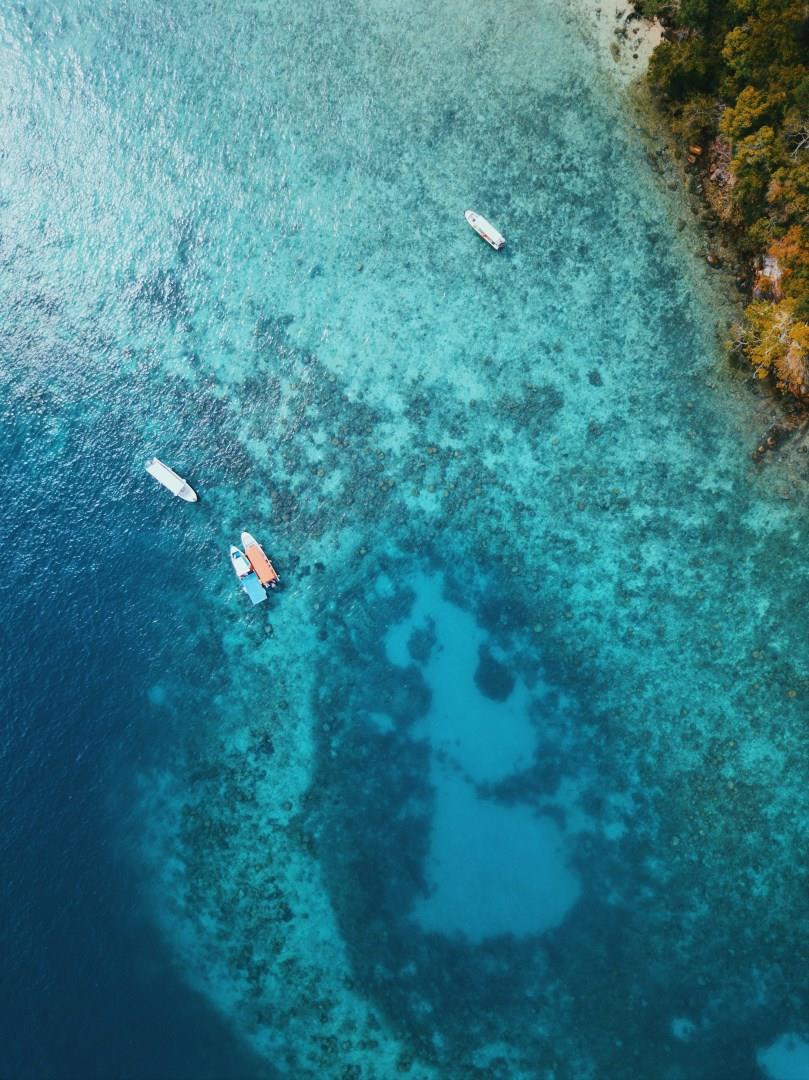
Kota Kinabalu (Borneo)
Kota Kinabalu, the capital of Sabah on the island of Borneo, is a vibrant city where modern life meets wild landscapes. Overlooking the South China Sea and backed by lush rainforests and mountains, it serves as both a cultural hub and a gateway to Borneo’s extraordinary biodiversity.
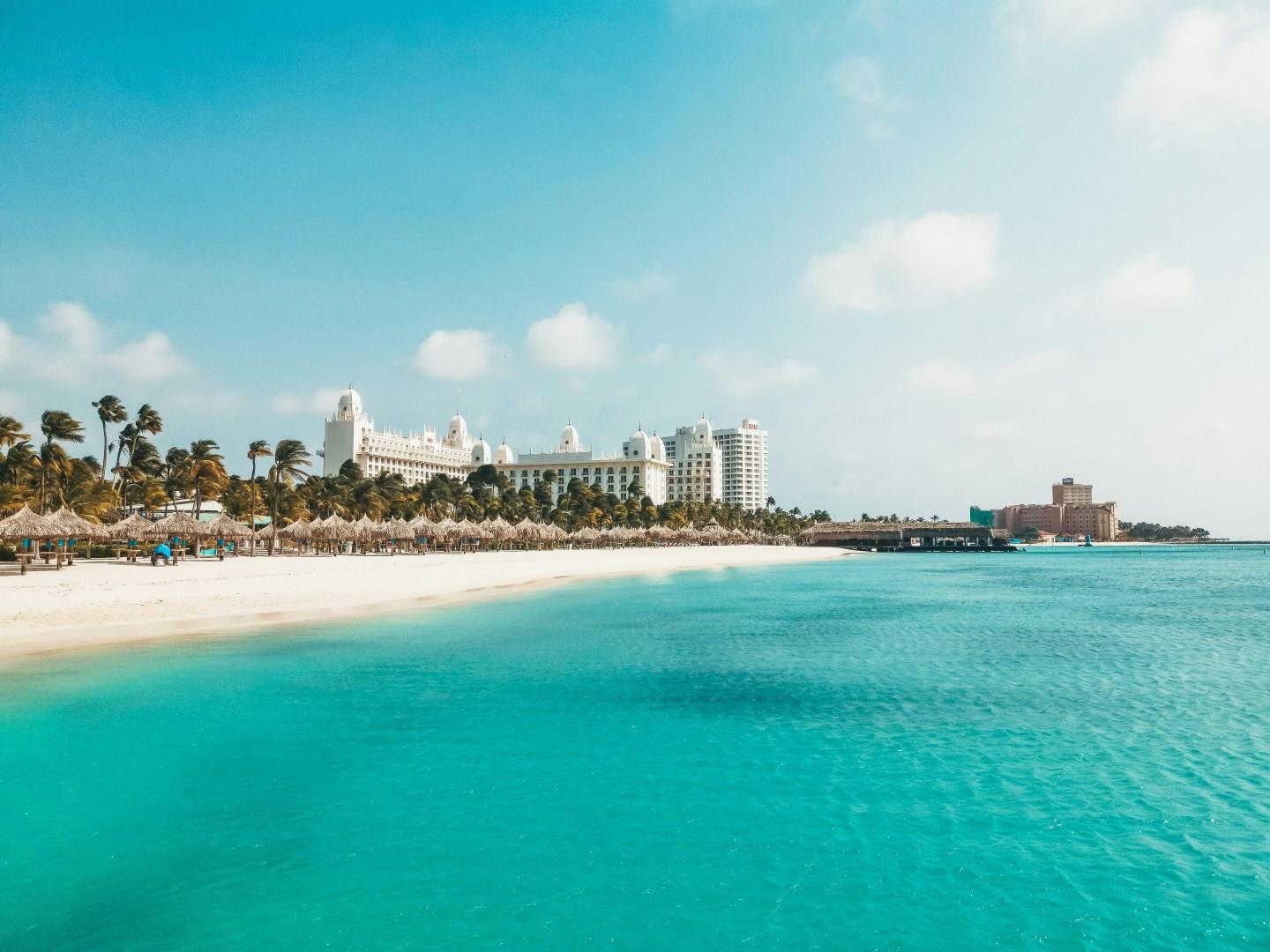
Palm Beach
Palm Beach, located on Aruba’s northwest coast, is the island’s most famous stretch of sand: a two-mile ribbon of soft white shore lined with turquoise waters and a lively resort scene.
