
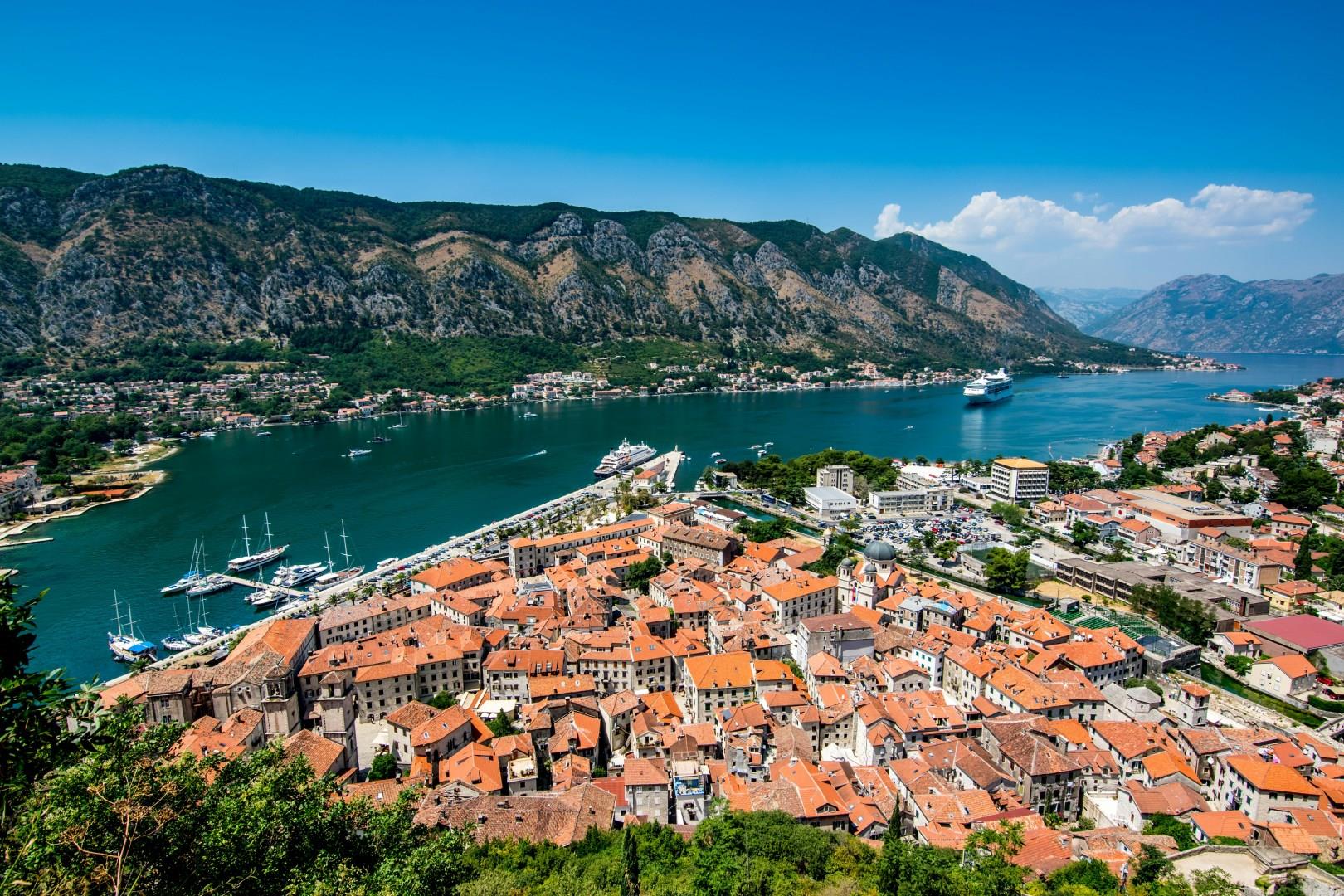
Montenegro
Montenegro, set along the Adriatic Sea, draws travelers with its dramatic landscapes and layered history. The Bay of Kotor, often mistaken for a fjord, is actually a submerged river canyon surrounded by steep cliffs and medieval towns. Kotor itself, a UNESCO World Heritage site, is enclosed by ancient fortifications that visitors can climb for panoramic views stretching from terracotta rooftops to the sea.
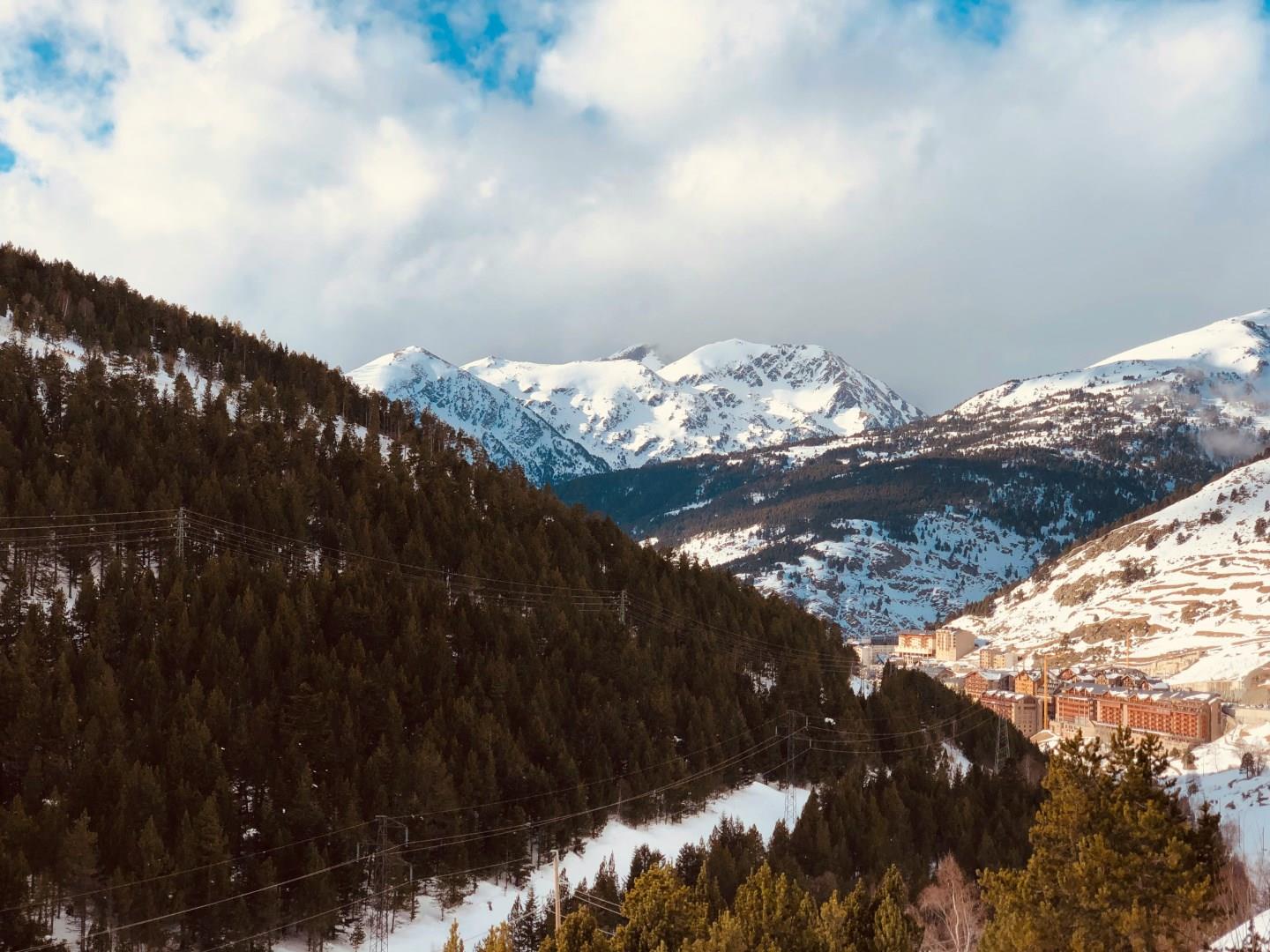
Soldeu
Nestled high in the Pyrenees, Soldeu is a mountain village in the principality of Andorra, best known for its access to Grandvalira, which is one of the largest ski areas in Southern Europe. At 1,800 meters above sea level, Soldeu has grown from a quiet farming village into a winter destination with over 200 kilometers of slopes. It hosted World Cup alpine ski races in 2019 and is scheduled to host the Finals again in 2029.

Essaouira
Essaouira, a charming coastal city in Morocco, offers an enchanting blend of history, culture, and natural beauty. Nestled on the Atlantic coast, Essaouira is renowned for its well-preserved medina, a UNESCO World Heritage Site, featuring a labyrinth of narrow alleys, whitewashed buildings, and vibrant blue shutters. This historic port city boasts impressive ramparts, including the iconic Skala de la Ville, which offers panoramic views of the ocean and the bustling harbor.

Kobe
Kobe, Japan is a beautiful port city renowned for its historic shrines, botanical gardens, hot springs, and marbled Kobe beef. Highlights of this Japanese retreat include Ikuta Shrine, thought to be one of Japan's oldest Shinto shrines, Kobe Nunobiki Herb Botanical Gardens, Mount Rokkō, and Arima Onsen, a popular hot springs resort surrounded by Japanese maple trees.

Amsterdam
Amsterdam, the 17th century capital of Holland, is often called the "Venice of the North" due to its numerous, boat-navigable canals. Truly rich in history, the oldest part of this populous, multicultural city is Sloten, which dates all the way back to the 9th century.
