

Melk
Nestled along the south bank of the Danube, this historical Austrian city bursts with charm. A favorite stop on European river cruises, the city's most famous attraction is Melk Abbey, which dates back to the 11th century. The original Benedictine structure was lost to fires and foreign invasion, then rebuilt during the 18th century in lavish Baroque style, including a library and inner church covered in magnificent frescoes and gilded fixtures.

Uluru
Located in Australia's Northern Territory, Uluru is an iconic sandstone formation and UNESCO World Heritage site. This red rock monolith, believed to be over 500 million years old, has been considered sacred by Australia's indigenous peoples for thousands of years and is one of the country's most well-known natural landmarks. This spiritual destination will astound you at sunrise and sunset, when the warm sunlight turns Uluru to deep hues of red and orange.

Prague
The dazzling capital of the Czech Republic, the explorable Prague has fittingly been nicknamed "the City of a Hundred Spires." Halved by the Vltava River and notable for architecture Baroque, Renaissance, and Gothic, visitors will find much to take in here.
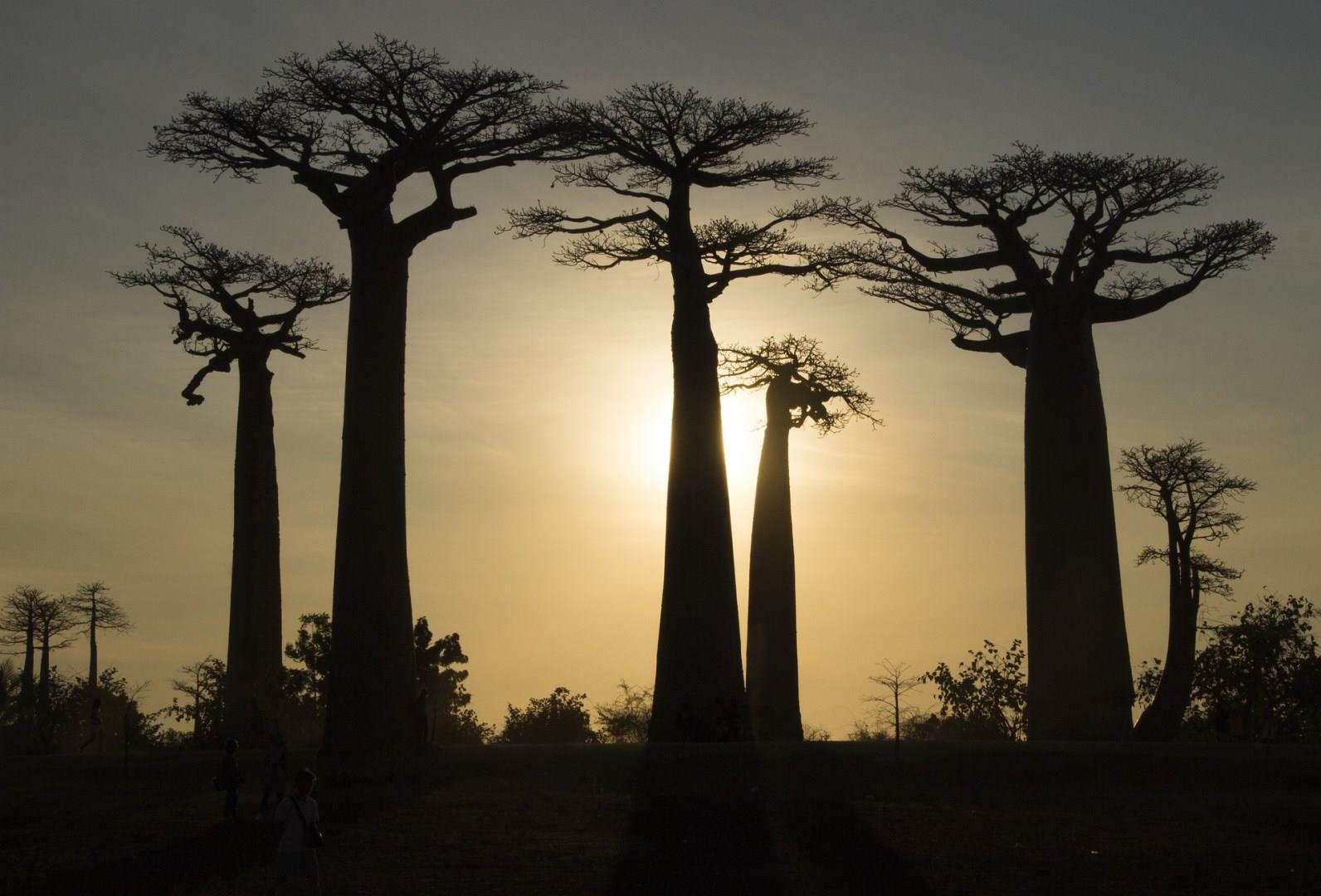
Madagascar
Madagascar, the world’s fourth-largest island, lies off the southeastern coast of Africa and is renowned for its extraordinary biodiversity and unique landscapes. Its rainforests, spiny deserts, and highland plateaus provide habitats for species found nowhere else on Earth.

Santorini
Visitors to this breathtaking and romantic Cyclades archipelago will gaze at the whitewashed cubiform houses sitting cliffside and hovering over the water.
