

Tarragona
The Port of Tarragona is located in one of the most active economic areas of the Spanish Mediterranean, where the main petrochemical complex of the Spanish State is located.
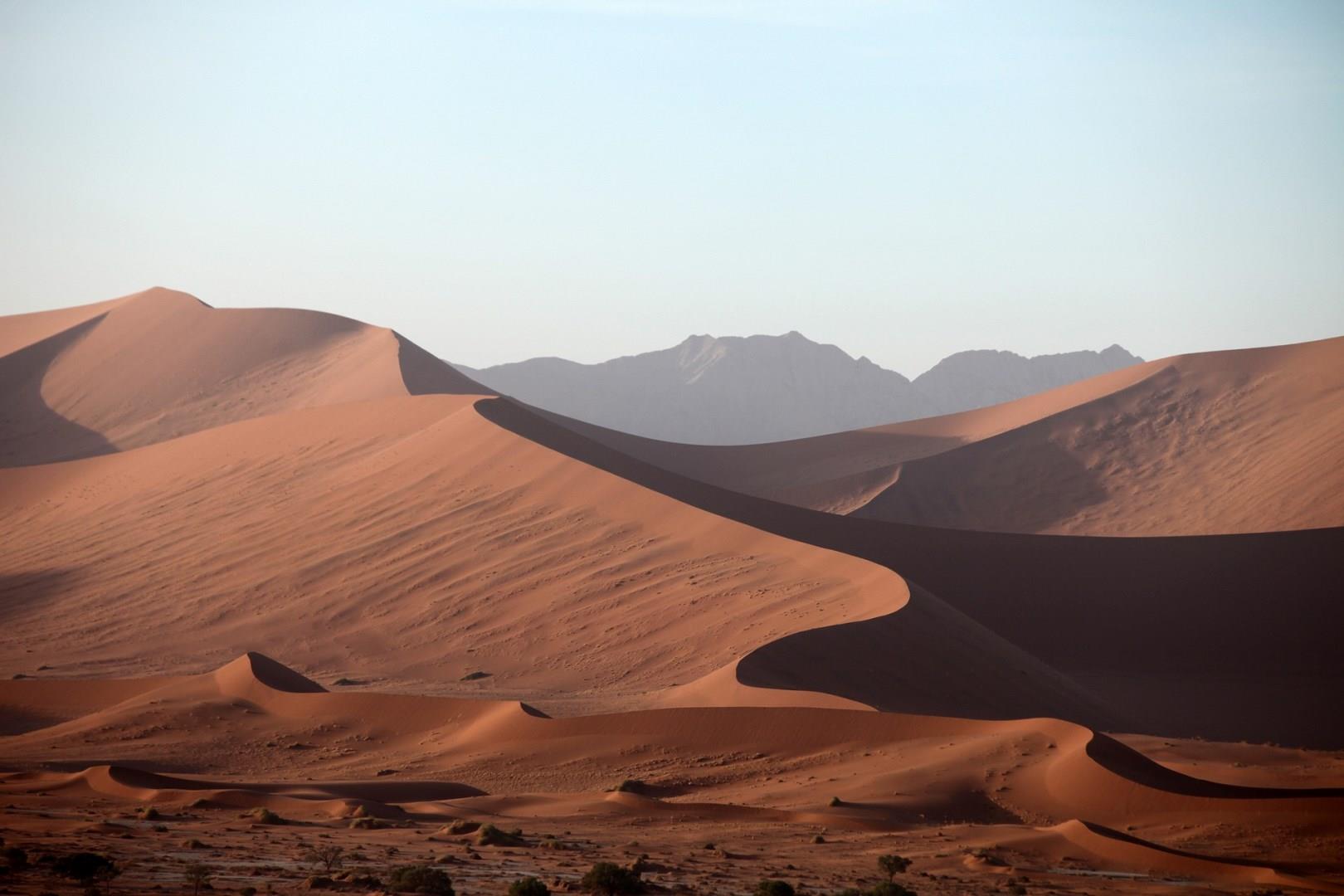
Namibia
Namibia, in southwestern Africa, is a land of dramatic landscapes and striking contrasts. From the towering sand dunes of the Namib Desert to the rugged mountains and deep canyons of Damaraland, the country offers some of the continent’s most unique scenery.

Osaka
Osaka is a city that thrives on contrasts with centuries-old castles sit just blocks from neon-lit arcades and high-speed trains. Once known as “Japan’s kitchen” during the Edo period, Osaka played a key role in rice trading and food distribution across the country. Today, visitors can walk the grounds of Osaka Castle, originally built in the 16th century by Toyotomi Hideyoshi, and take in panoramic city views from the top floor of its museum.

Chile
Stretching over 4,200 kilometers along the southwestern coast of South America, Chile is a country of dramatic contrasts and hidden surprises. From the world’s driest desert in the north to the icy fjords of Patagonia in the south, Chile offers a landscape that constantly reinvents itself. Visitors can walk through the Atacama Desert, where NASA tests Mars rovers, or gaze at the clearest night skies on Earth from the high-altitude observatories near San Pedro de Atacama.

Belize
Belize, tucked between Mexico, Guatemala, and the Caribbean Sea, is a country where ancient history and untamed nature meet. Once the heartland of the Maya civilization, Belize is dotted with impressive archaeological sites such as Caracol and Xunantunich, where towering pyramids rise above jungle canopies.
