
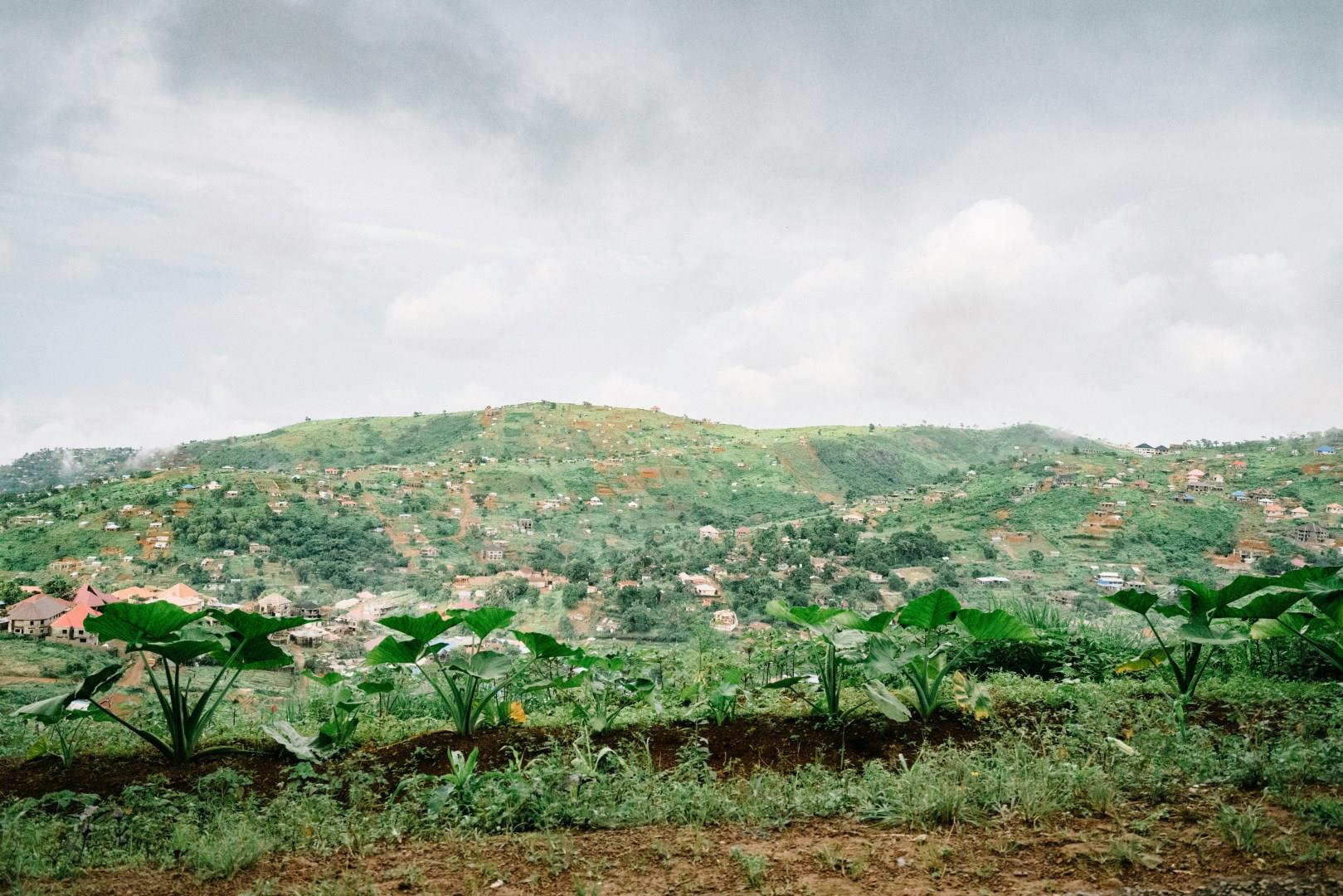
Freetown
Freetown, the capital of Sierra Leone, is a city where history and daily life intertwine along the shores of the Atlantic. Founded in 1792 as a settlement for freed slaves from Britain and the Americas, it remains a place of cultural depth and resilience.
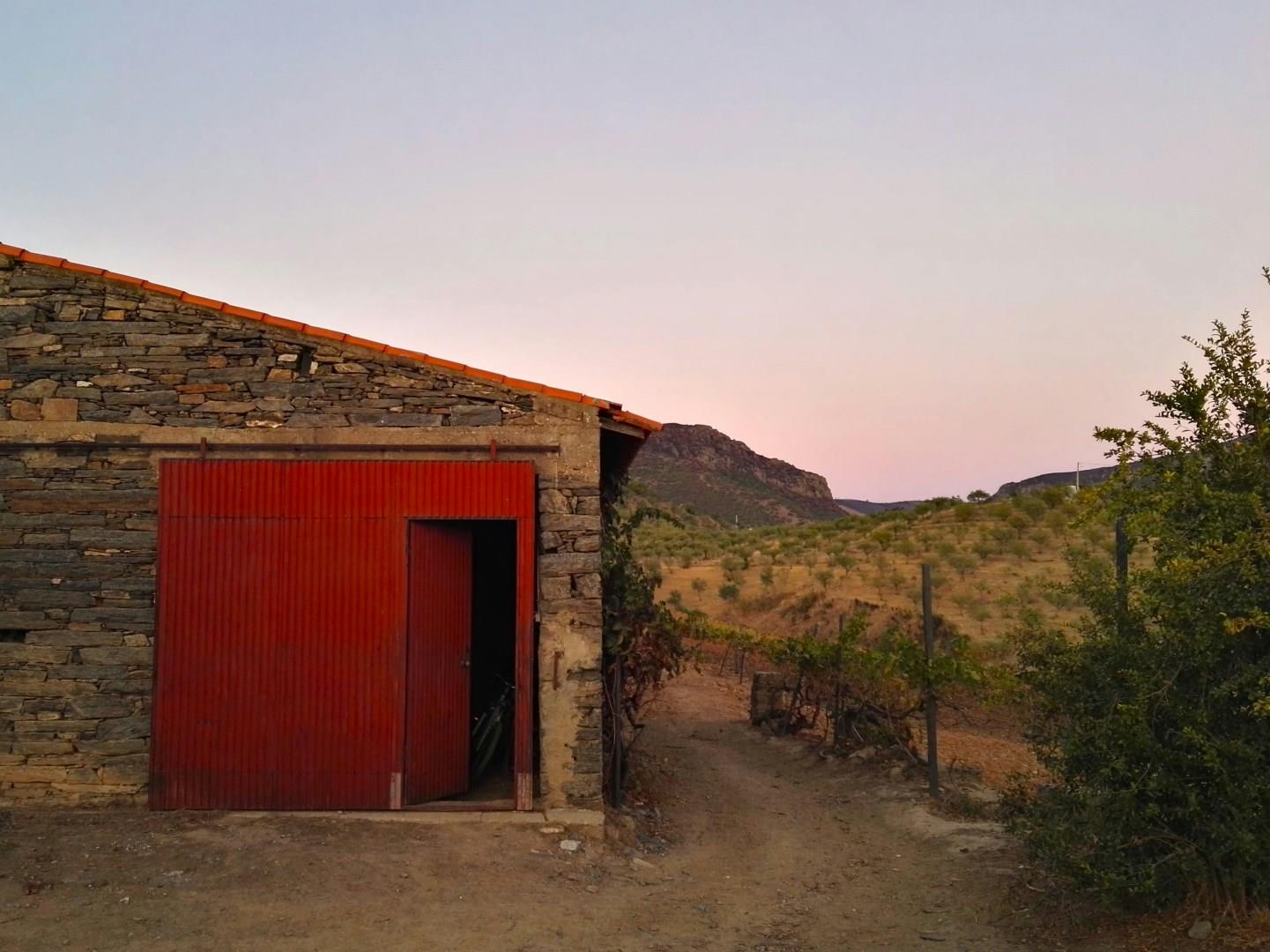
Barca d'Alva
Barca d'Alva sits quietly along the Douro River, right at Portugal’s eastern border with Spain. Once the final stop on the historic Douro railway line, this riverside village remains relatively untouched by mass tourism. The surrounding landscape filled with terraced vineyards, olive groves, and almond trees form part of the UNESCO-listed Alto Douro Wine Region.
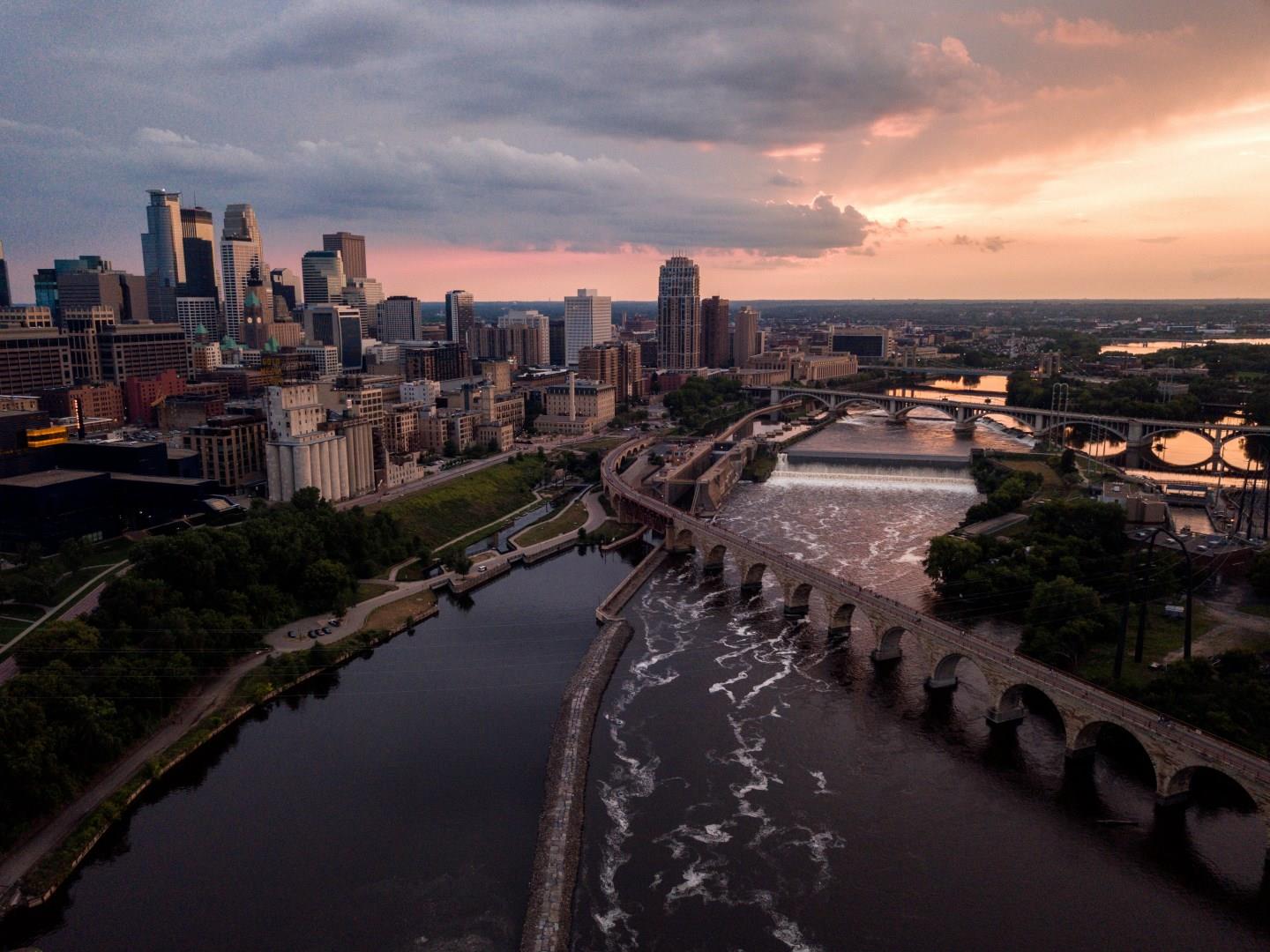
Minneapolis/St. Paul
Minneapolis stands out with its unexpected blend of urban energy and freshwater calm. Built along the banks of the Mississippi River, the city has grown from a flour-milling powerhouse into a hub of creativity, design, and culture. At the heart of downtown, the Mill City Museum, housed inside the ruins of what was once the world’s largest flour mill, offers hands-on exhibits that bring Minneapolis’s industrial past to life. Just outside, the Stone Arch Bridge spans the river with sweeping views
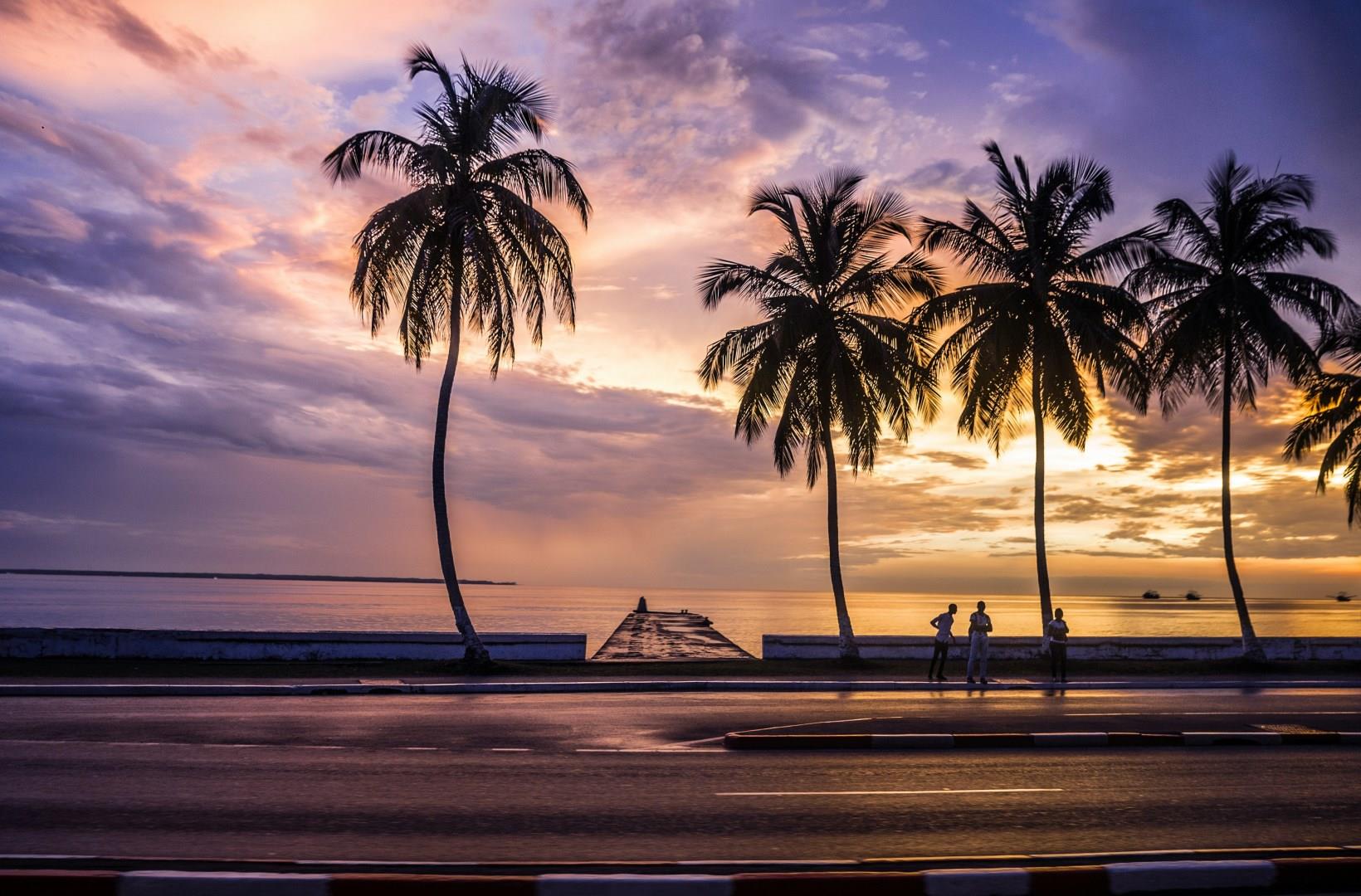
Libreville
Libreville, the capital of Gabon, stretches along the Atlantic coast with a mix of modern streets, colonial-era buildings, and bustling markets.

Belfast
Belfast, the vibrant capital of Northern Ireland, is a city steeped in rich history and brimming with cultural charm. Known for its role in the Industrial Revolution, it was once a major shipbuilding hub, most famously the birthplace of the RMS Titanic. Today, visitors can explore the Titanic Quarter, where the Titanic Belfast museum stands as a modern architectural marvel, offering a fascinating and interactive journey through the ship's history.
