
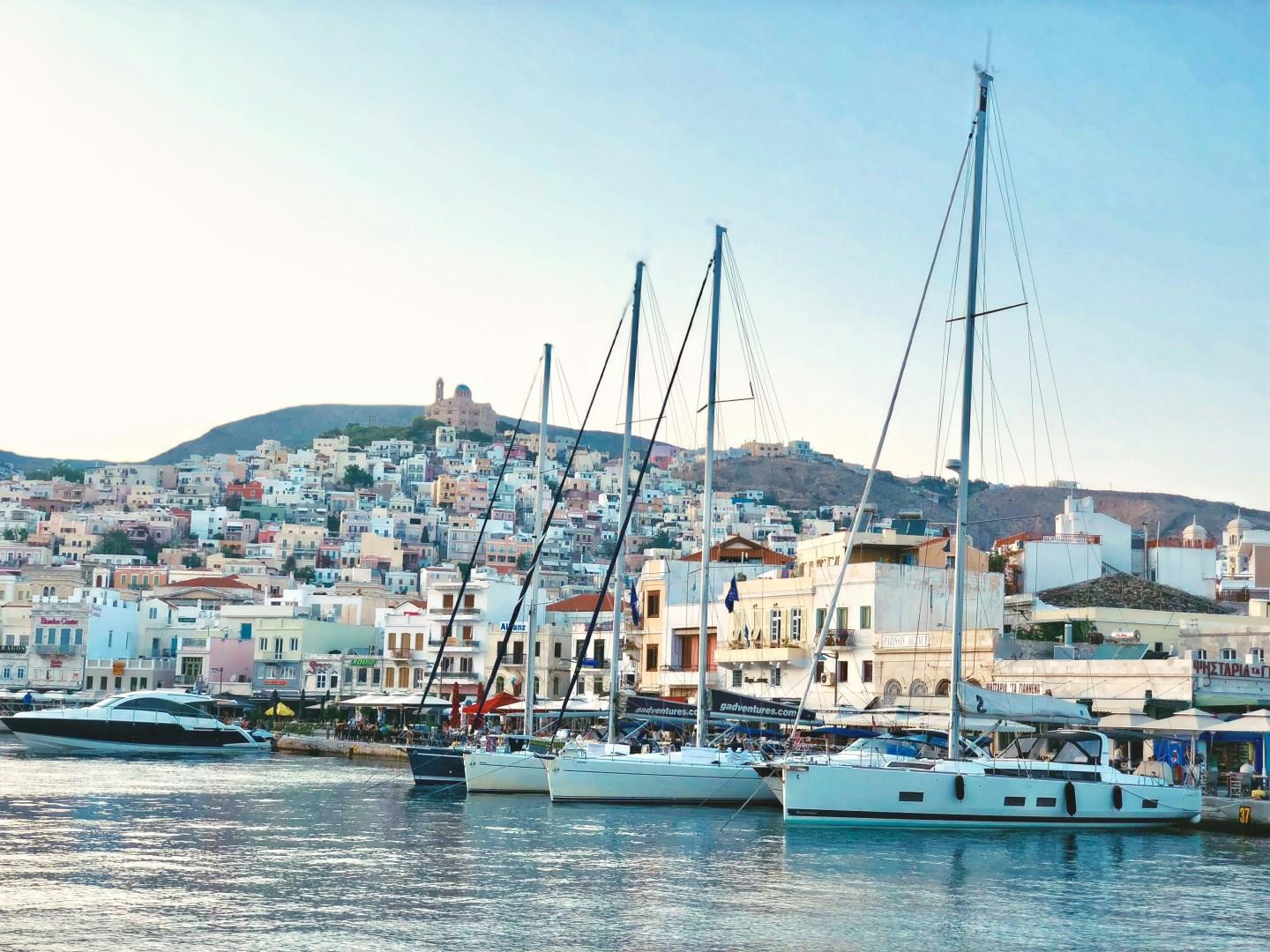
Syros
Syros, the capital of the Cyclades, stands apart from its island neighbors with its blend of neoclassical architecture, Orthodox and Catholic traditions, and year-round local life. Ermoupoli, the main town, was once a thriving 19th-century port and still displays its legacy through grand mansions, marble-paved squares, and the imposing Apollo Theater which was designed by an Italian architect and often referred to as a miniature La Scala.

Biarritz
Biarritz, located on the Basque coast of southwestern France, is a glamorous seaside city renowned for its picturesque beaches and rich history. Once a modest fishing village, Biarritz evolved into a luxurious resort destination favored by European royalty in the 19th century.

Zanzibar
Zanzibar Island, off the coast of Tanzania, is a captivating destination where history and natural beauty converge. The island’s Stone Town, a UNESCO World Heritage Site, is a maze of narrow alleys, vibrant markets, and historical buildings. Wander through the bustling Darajani Market, where local spices, textiles, and crafts create a sensory feast.

Los Angeles
Sunshine, cars, celebrities... these are just a few of the things that define Los Angeles. But as any visitor to this expansive Southern California city will tell you, it's a place with seemingly infinite possibilities. There's downtown, with Crypto.com Arena, Walt Disney Concert Hall, and Olvera Street. There's Hollywood, with its Walk of Fame, maps to the stars' homes and palm-tree lined boulevards. There's Santa Monica, with its pier, shopping and ocean breezes.
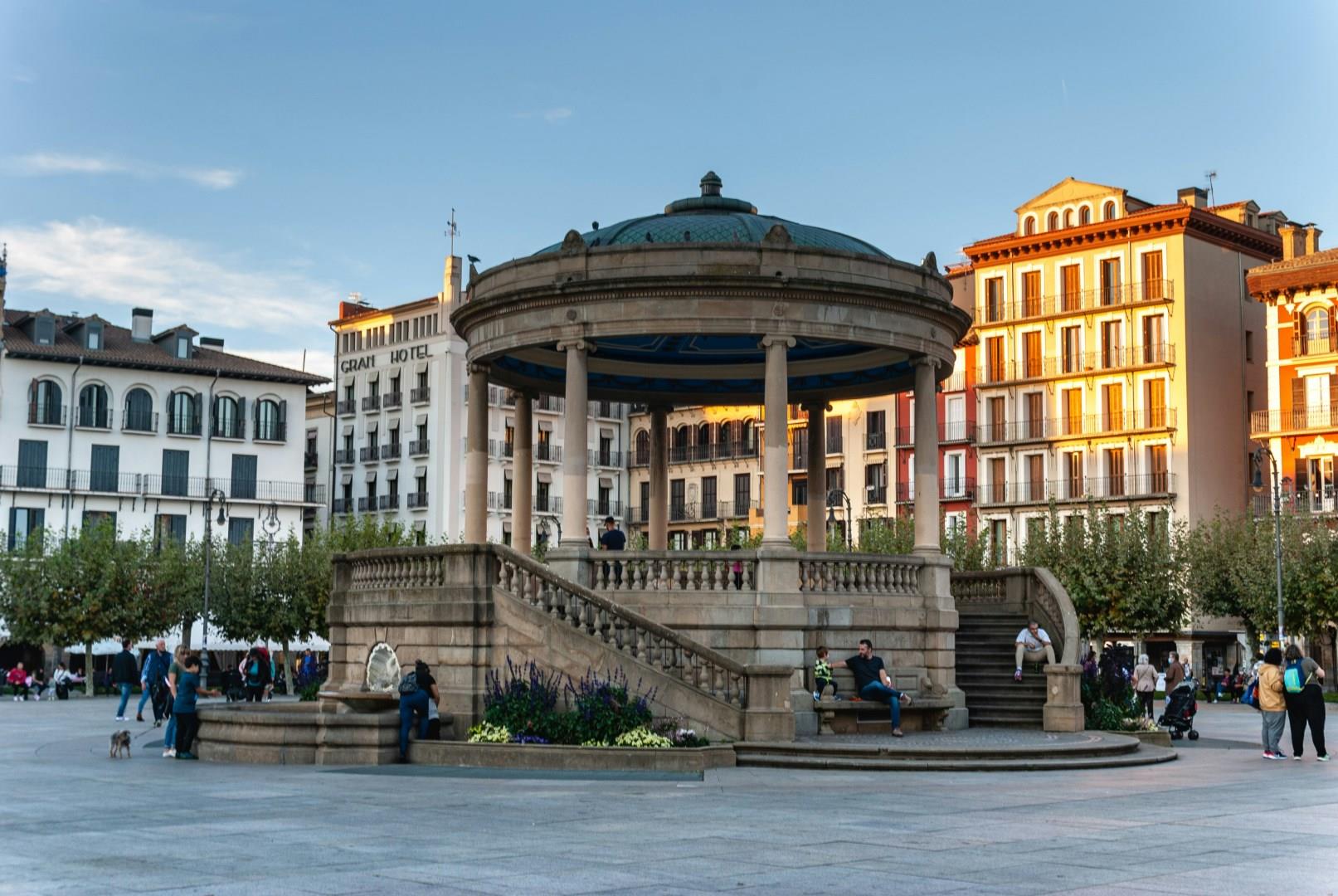
Pamplona
Pamplona, the capital of Spain’s Navarre region, is best known worldwide for the Running of the Bulls during the San Fermín festival each July. But beyond the brief rush of that event lies a city steeped in medieval history, Basque influence, and a slower pace that surprises many visitors. One of the most significant aspects of Pamplona is its place on the Camino de Santiago, the ancient pilgrimage route to Santiago de Compostela.
