
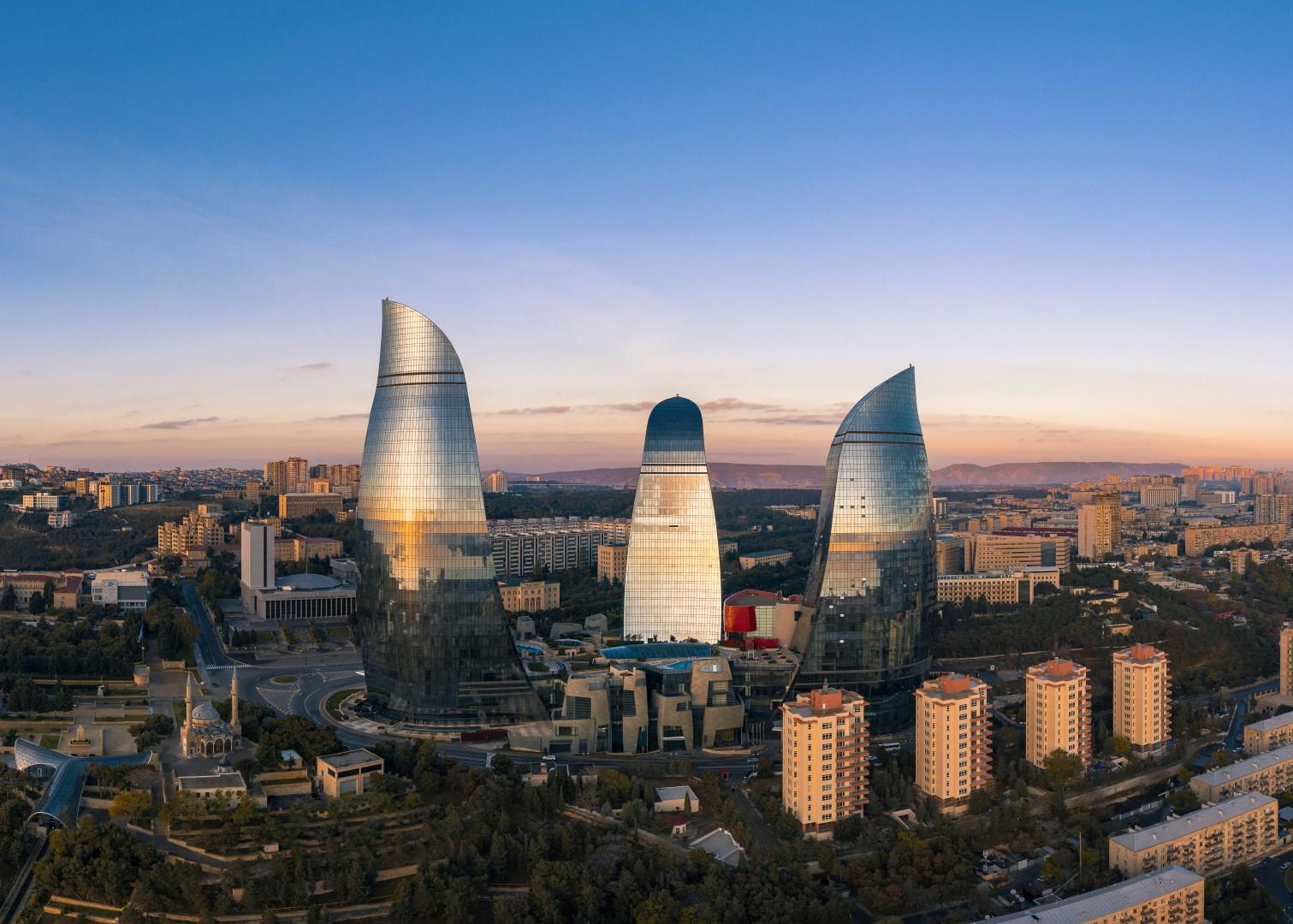
Baku
Baku, the capital of Azerbaijan, rises on the shores of the Caspian Sea as a city of striking contrasts. Its futuristic skyline, defined by the Flame Towers, glows each evening in waves of light, while the UNESCO-listed Old City preserves centuries of history within its fortified walls.
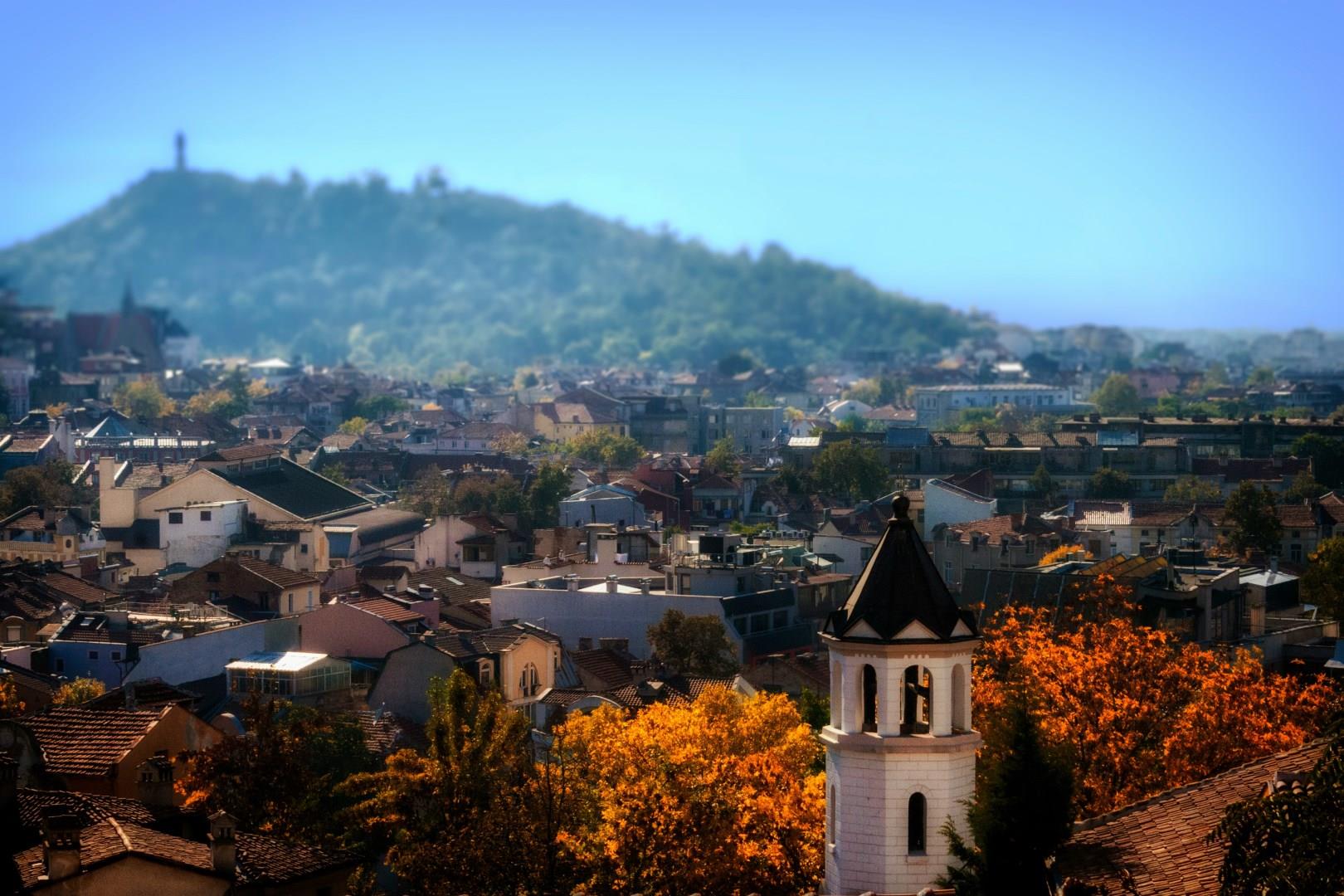
Plovdiv
Plovdiv, one of the oldest continuously inhabited cities in Europe, carries over 8,000 years of history layered into its streets. The Roman Theater, still in use today, was discovered by accident in the 1970s and now hosts operas and concerts overlooking the Rhodope Mountains. Nearby, visitors can walk the remains of a Roman stadium buried beneath the main pedestrian street, where modern shops and cafés stand above ancient foundations.

Dominica
Dominica, known as the “Nature Island of the Caribbean,” is a haven for eco-tourists and adventure seekers. Nestled between the French islands of Guadeloupe and Martinique, this lush island boasts a remarkable landscape of volcanic mountains, dense rainforests, and stunning waterfalls. Dominica’s most iconic natural wonder is the Boiling Lake, the second-largest hot spring in the world.
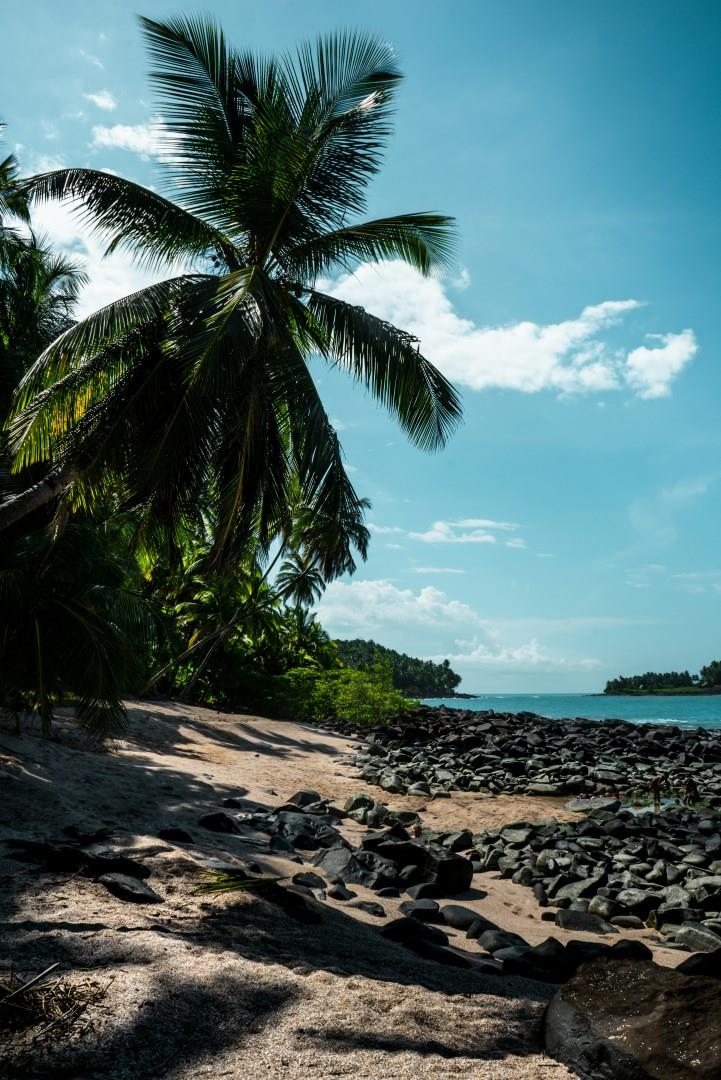
Cayenne
Cayenne, the lively capital of French Guiana, sits where the Cayenne River meets the Atlantic Ocean, blending South American rhythms with French-Caribbean influence. While it's officially part of France, Cayenne feels worlds away from Paris, with colorful markets, colonial architecture, and a language mix that includes French, Creole, Portuguese, and Indigenous dialects.
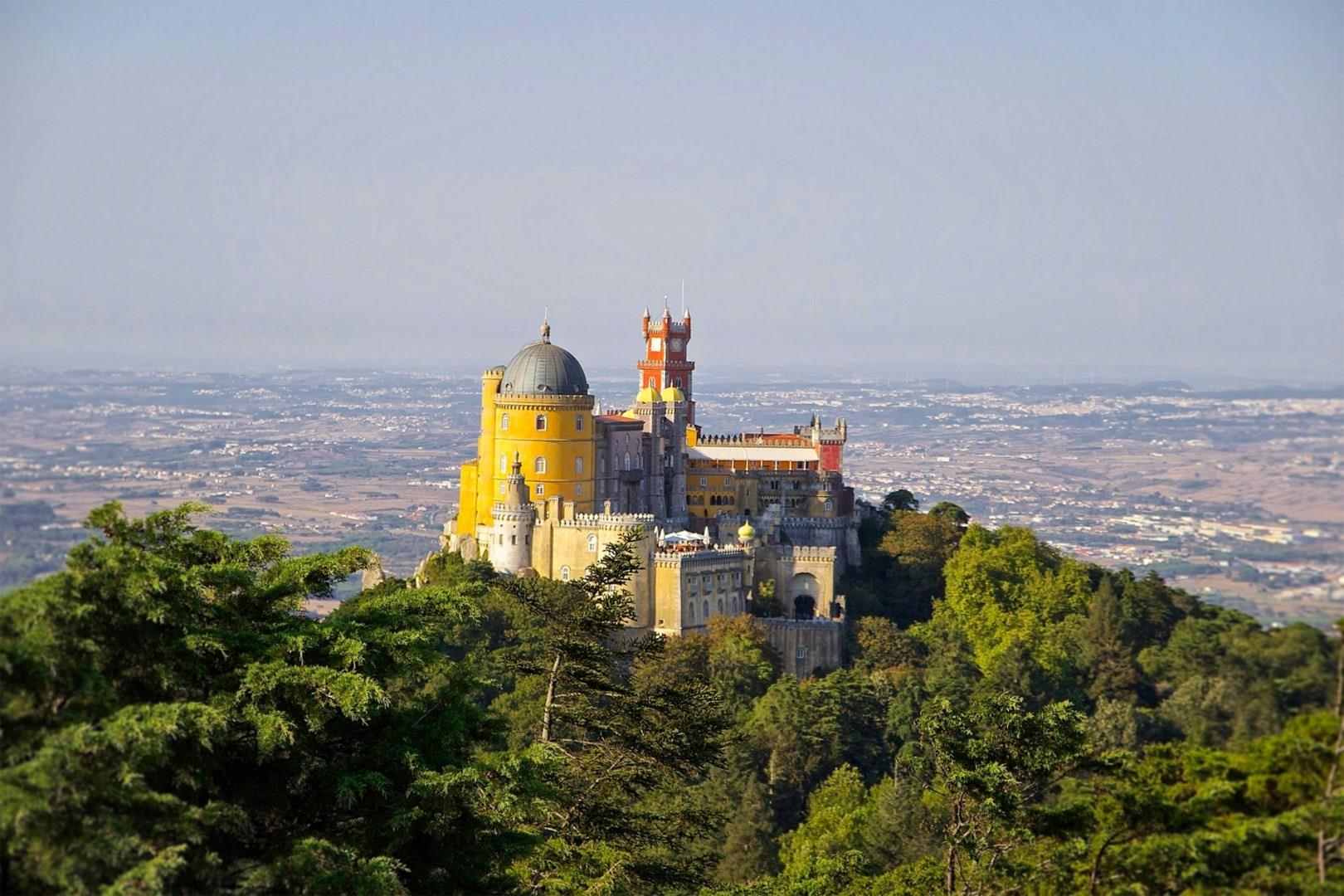
Sintra
Sintra, located just 40 minutes from Lisbon, feels like a world apart. Tucked into the hills of the Serra de Sintra, this town has drawn kings, poets, and explorers for centuries. It was once the summer retreat of Portuguese royalty, who left behind palaces and gardens that seem pulled from a storybook. The most famous, Palácio da Pena, is perched high above the town with bold red and yellow towers that blend Romanticism with Moorish and Gothic styles.
