
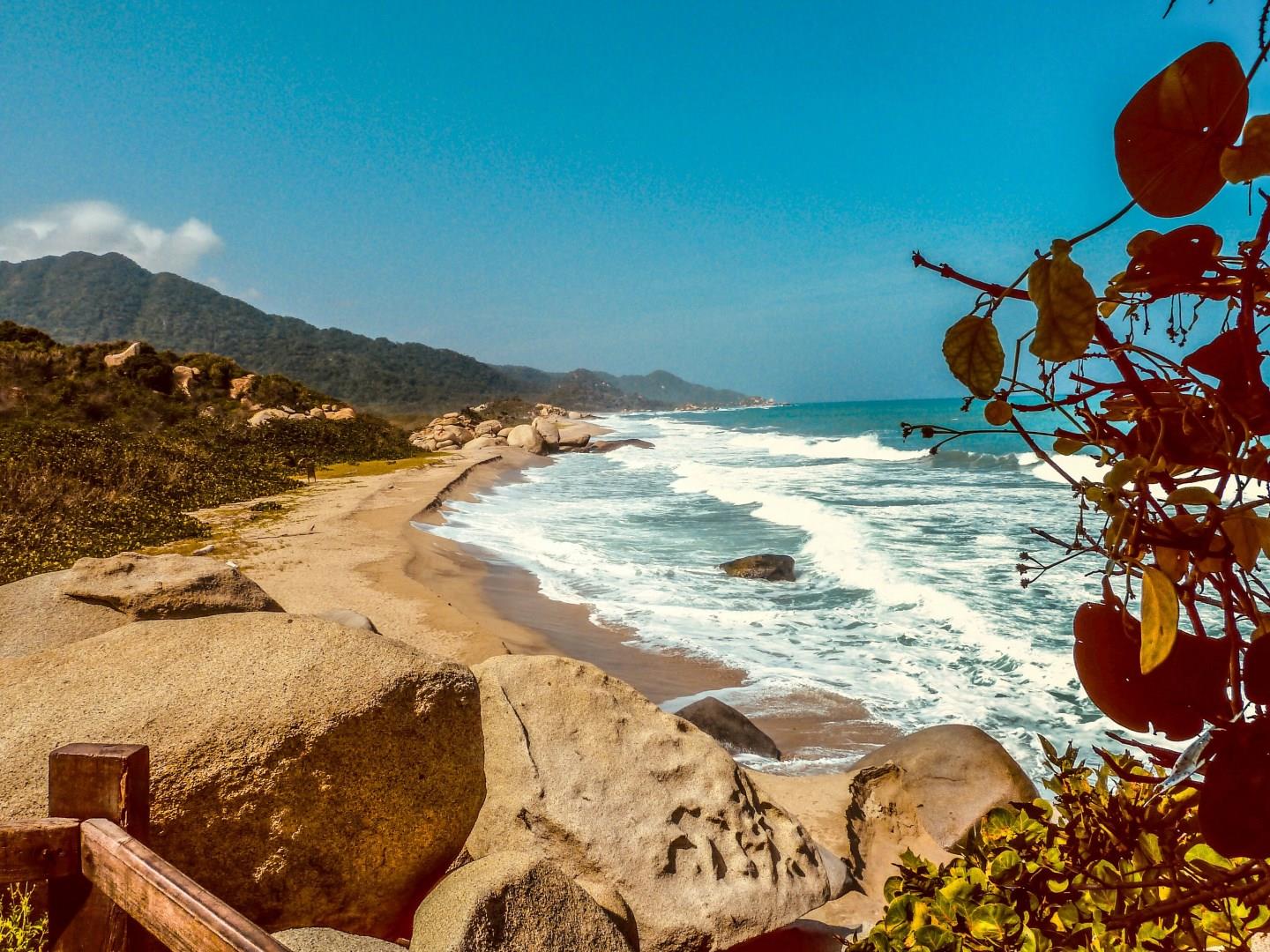
Tairona National Park
Tayrona National Natural Park, located on Colombia’s northern Caribbean coast, is where the Sierra Nevada mountains plunge into the sea, creating a landscape of wild beaches, dense rainforest, and ancient archaeological sites. Just an hour from Santa Marta, this protected area stretches over 150 square kilometers of land and marine territory. Its coastline is dotted with hidden coves, palm-fringed bays, and massive boulders sculpted by wind and time.
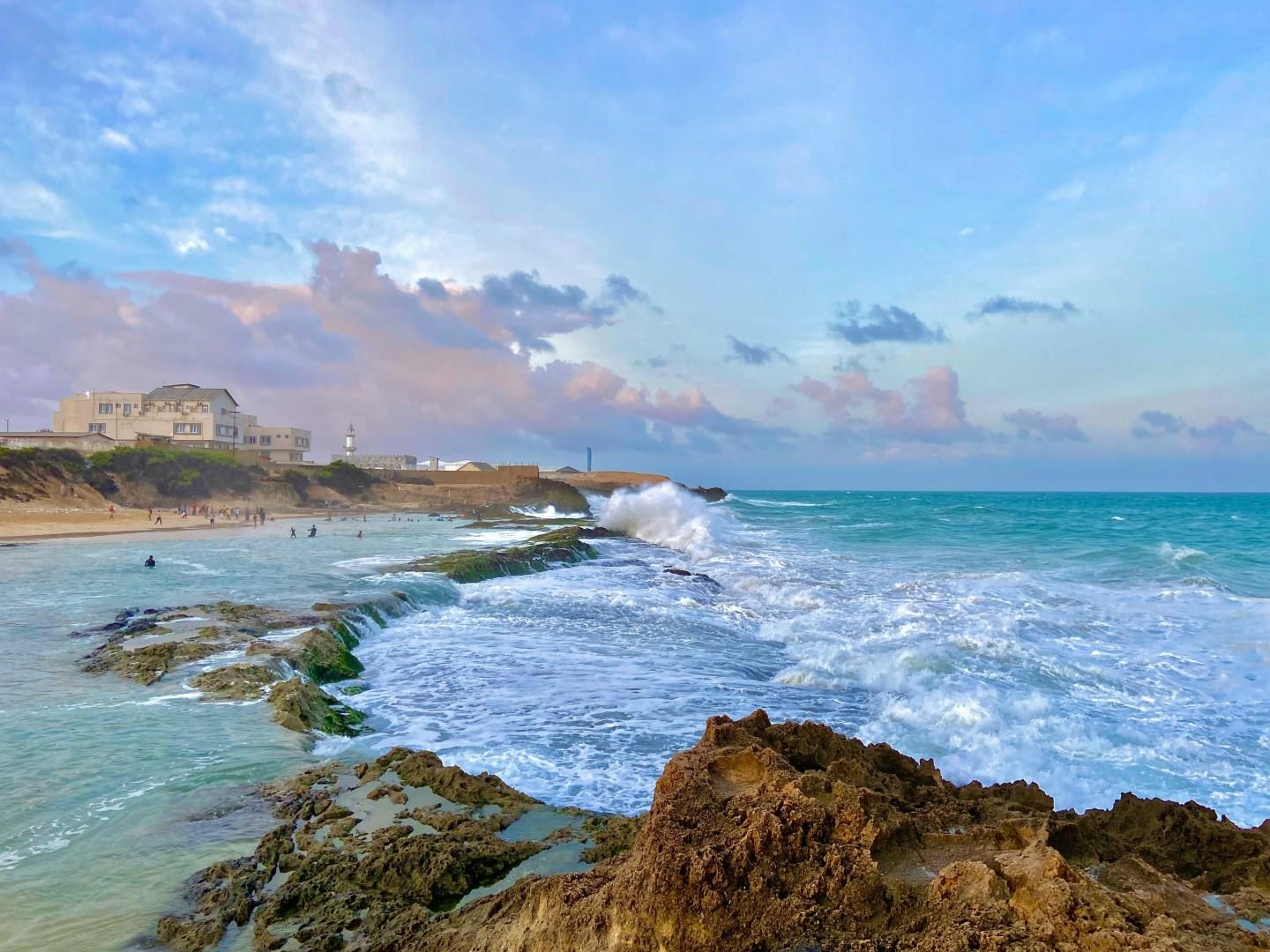
Somalia
Somalia, located on the Horn of Africa, is a land defined by its coastline, culture, and long history as a crossroads of trade. With the Indian Ocean and Gulf of Aden shaping much of its identity, Somalia has one of the longest coastlines in Africa, stretching over 1,800 miles.

Split
Split, Croatia, is a city where ancient history and modern vibrancy blend seamlessly, creating an alluring destination for travelers. At the heart of Split is the UNESCO World Heritage Site of Diocletian's Palace, a remarkably well-preserved Roman complex built by Emperor Diocletian in the 4th century AD. This sprawling palace complex, with its labyrinthine streets, ancient walls, and grand Peristyle courtyard, is not just a historical site but a bustling part of the city’s daily life.

Antananarivo
Antananarivo, Madagascar’s vibrant capital, offers a unique blend of cultural richness and historical depth. Perched on a series of hills, the city’s layout is characterized by its steep streets and traditional architecture. The Royal Palace, or Rova of Antananarivo, is a central landmark, offering a glimpse into Madagascar's royal past. Although much of the palace was destroyed by fire in 1995, the site remains a significant cultural and historical monument.
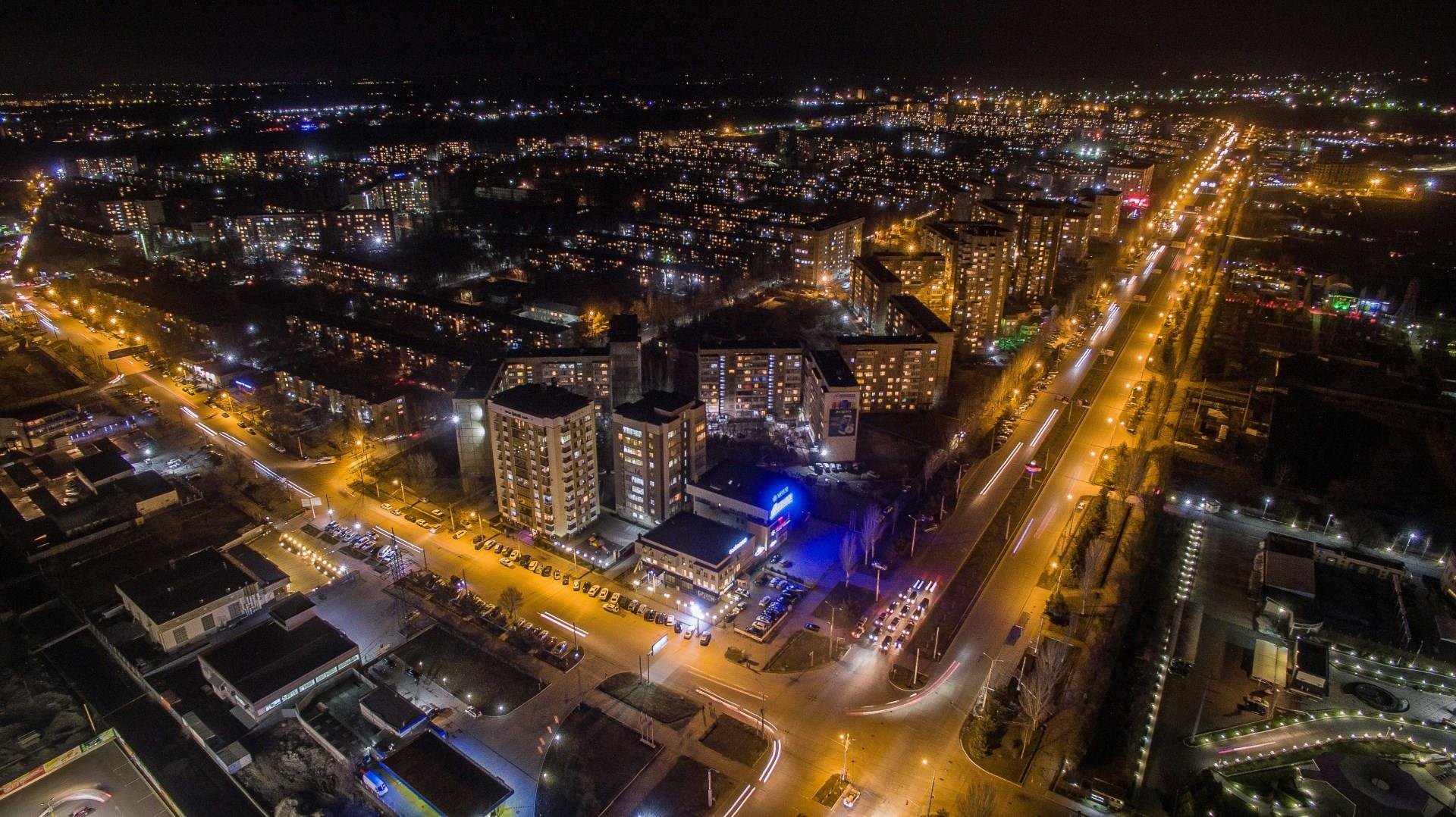
Bishkek
Bishkek, the capital of Kyrgyzstan, sits at the foot of the Ala-Too Mountains and serves as the country’s political, cultural, and economic center. The city is known for its wide tree-lined streets, Soviet-era architecture, and public squares.
