
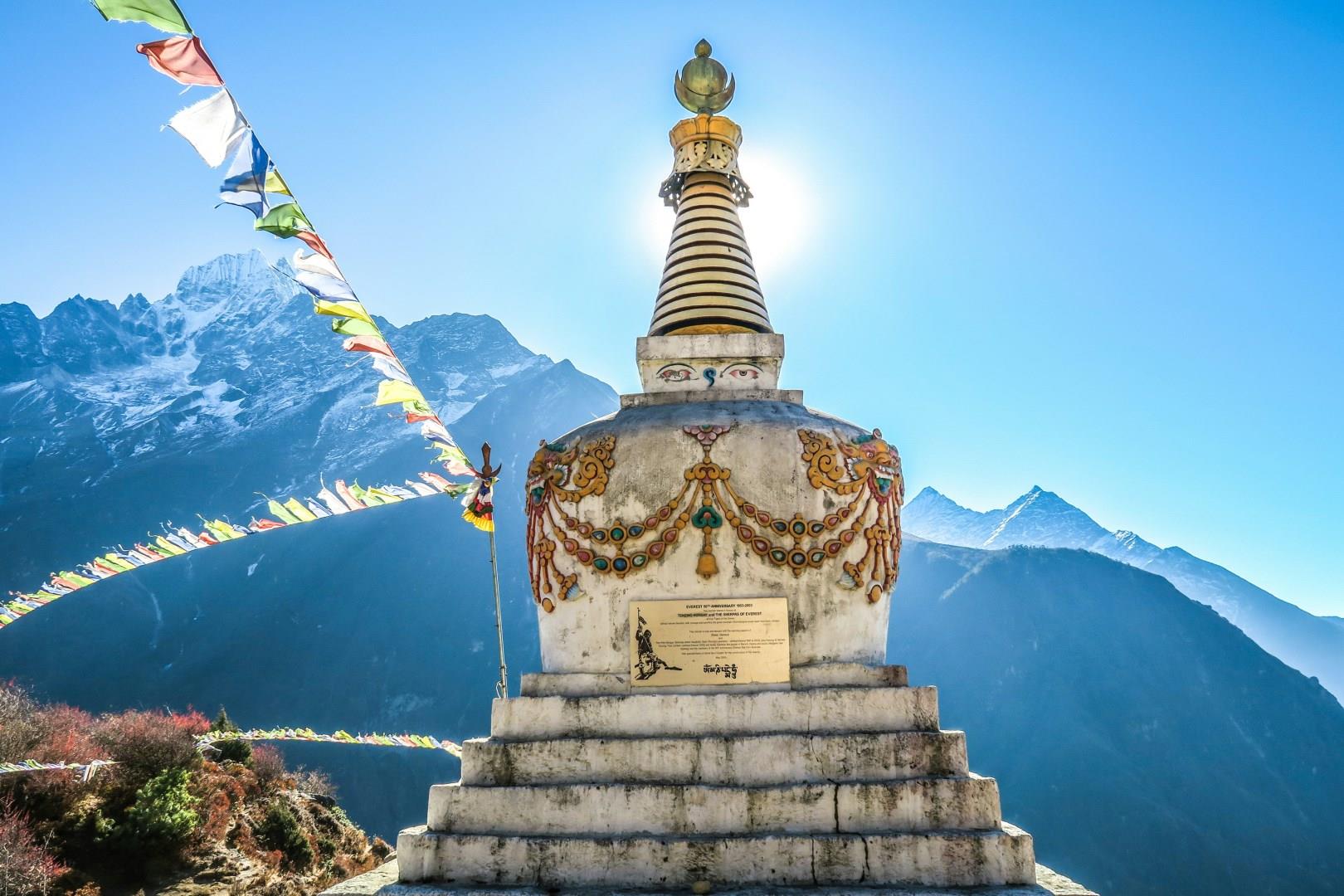
Namche
Namche Bazaar, perched at 3,440 meters in the Khumbu region of Nepal, is often called the gateway to Everest, but it’s far more than a rest stop on the way to Base Camp. Once a trading post between Tibetan and Nepali merchants, Namche has developed into a small mountain town where yak caravans and Wi-Fi cafes exist side by side. Despite its remote location, it has a Saturday market that continues to bring traders and trekkers together, just as it did centuries ago.
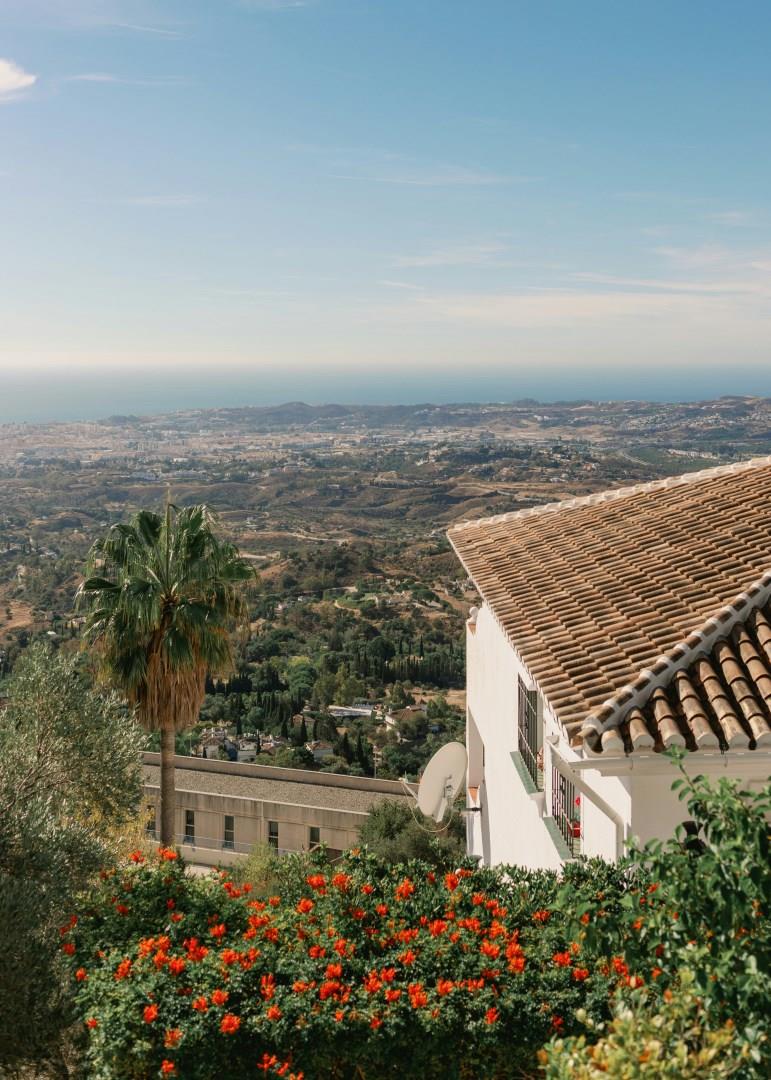
Mijas
Mijas, perched on the hillside above the Costa del Sol, blends centuries of Andalusian tradition with views that stretch across the Mediterranean. The whitewashed buildings of Mijas Pueblo reflect sunlight from narrow cobbled streets that wind through small plazas, each with its own fountain, chapel, or overlook. The town’s layout still follows Moorish-era planning, and remnants of the old wall (La Muralla) offer shaded walks lined with native plants and panoramic views over the coast.
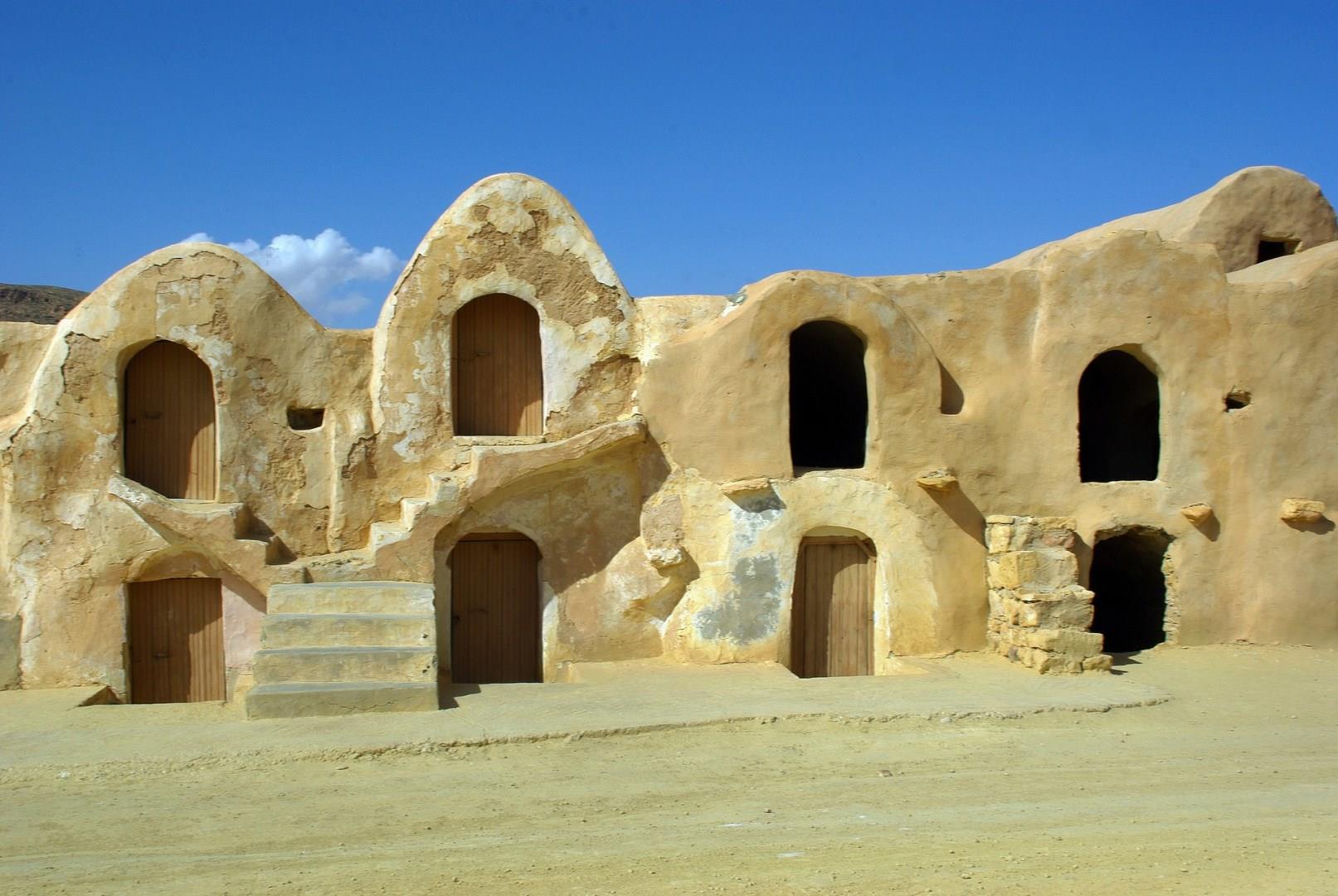
Tunisia
Tunisia, located in North Africa along the Mediterranean coast, offers a mix of desert landscapes, historic cities, and coastal charm. Its Mediterranean beaches, desert oases, and bustling markets provide a variety of experiences for travelers interested in history, culture, and nature.
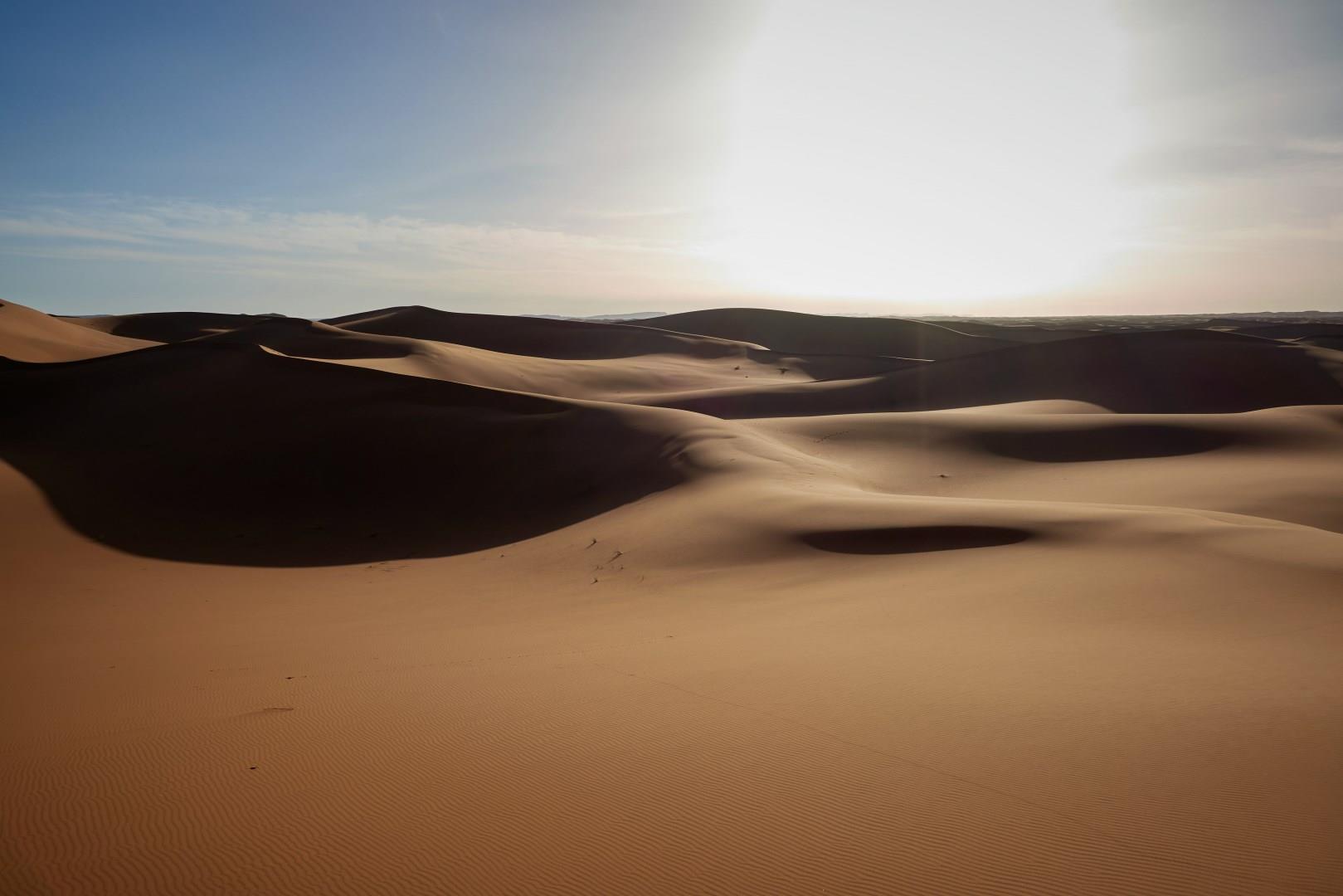
M'Hamid
M’Hamid El Ghizlane sits deep in southeastern Morocco’s Sahara, where the paved road ends and endless sands begin. Travelers often arrive from Zagora, taking in the wide palm groves fed by ancient irrigation channels that show how people have sustained life here for centuries. At sunrise and sunset, the dunes glow with waves of gold and copper, offering unforgettable views few places on earth can match.
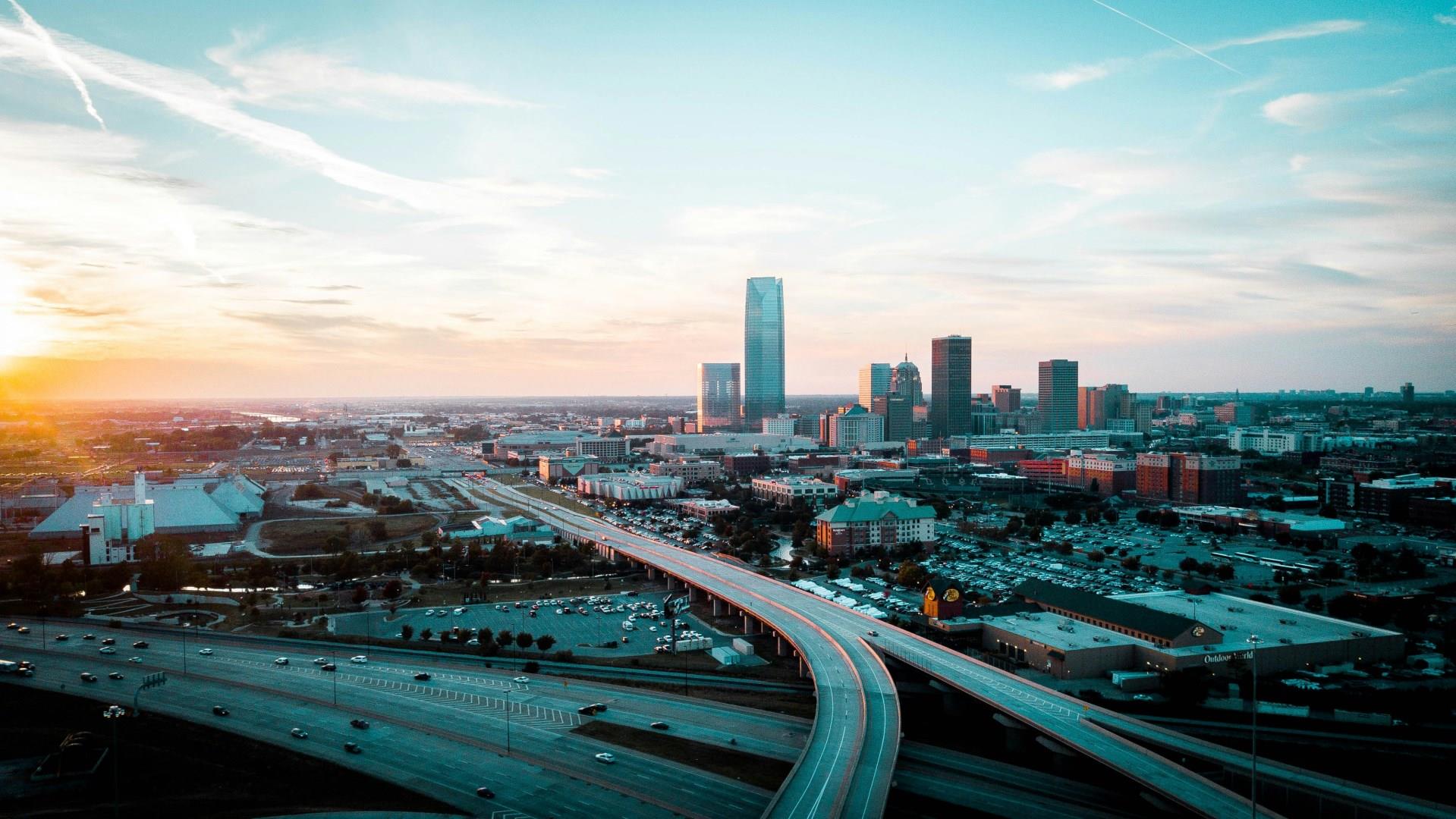
Oklahoma City
Oklahoma City stands at the crossroads of Western tradition and modern energy. It’s a place where cowboy boots walk into sleek coffee shops, and horse shows take place just a few miles from contemporary art galleries. A good starting point is the National Cowboy & Western Heritage Museum, home to one of the largest collections of Western art and artifacts in the world.
