
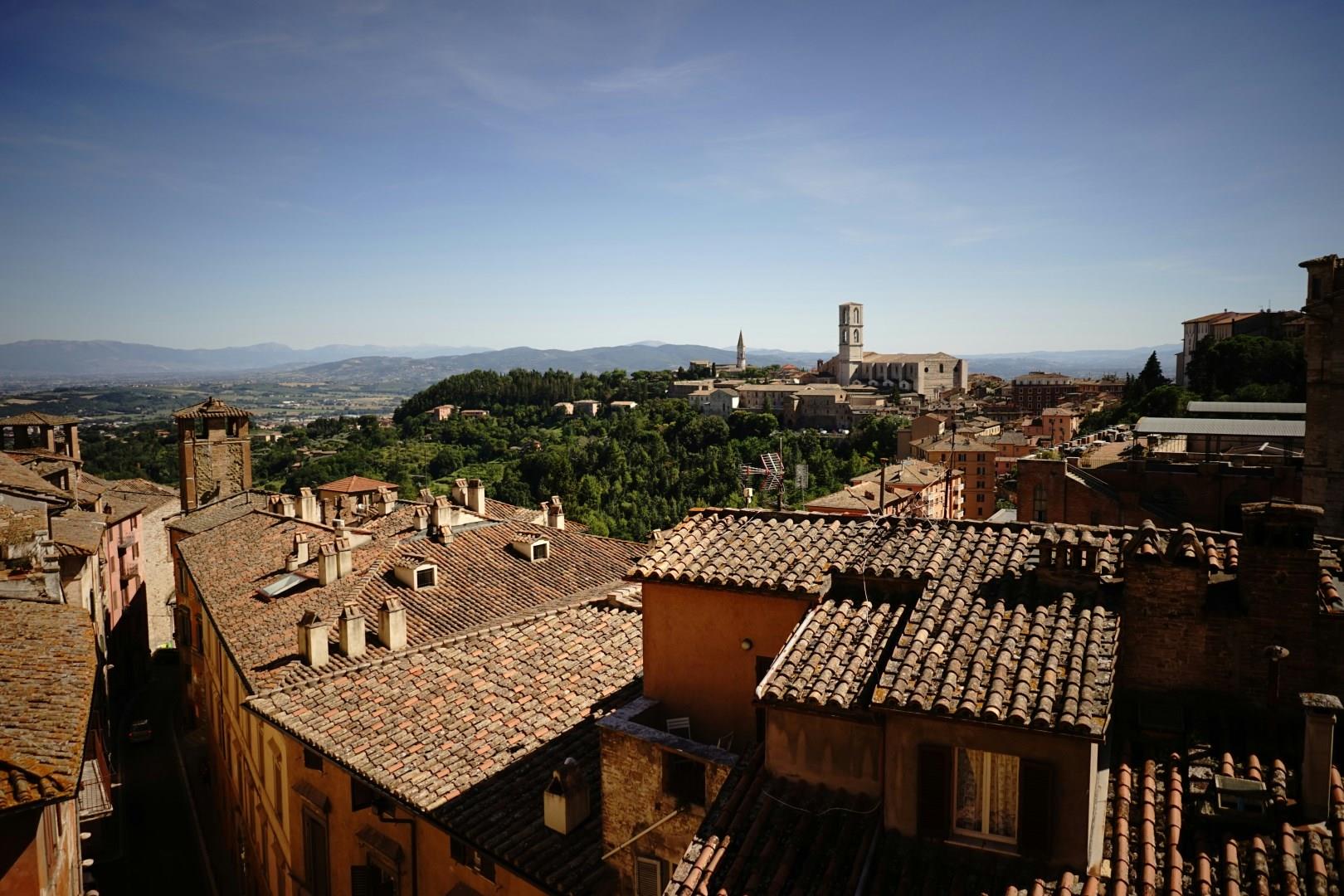
Perugia
Perugia, the capital of Italy’s Umbria region, is a city built across hills and centuries. Originally settled by the Etruscans more than 2,500 years ago, it still holds remnants of their civilization, including one of the largest surviving Etruscan arches in Italy named Arco Etrusco, which greets visitors at the city’s entrance. Walking through the narrow streets of the historic center reveals layers of Roman, medieval, and Renaissance architecture, all woven together within ancient stone walls.

Nosy Be
Nosy Be, often called the “Perfume Island” due to its fragrant ylang-ylang trees, is Madagascar’s largest and most popular tourist destination. Situated off the northwest coast of Madagascar, this tropical paradise boasts powdery white sand beaches, turquoise waters, and lush inland rainforests, making it an idyllic escape for beach lovers, nature enthusiasts, and adventure seekers alike. Nosy Be is renowned for its stunning marine life.

Luang Prabang
Luang Prabang, the jewel of northern Laos, captivates travelers with its blend of serene spirituality, French colonial charm, and breathtaking natural beauty. This UNESCO World Heritage Site is nestled between the Mekong and Nam Khan rivers, creating a tranquil setting where time seems to slow down. Here, ancient temples with glistening spires, like Wat Xieng Thong, sit alongside quaint colonial-era villas, inviting visitors to explore the harmonious fusion of Lao and French cultures.
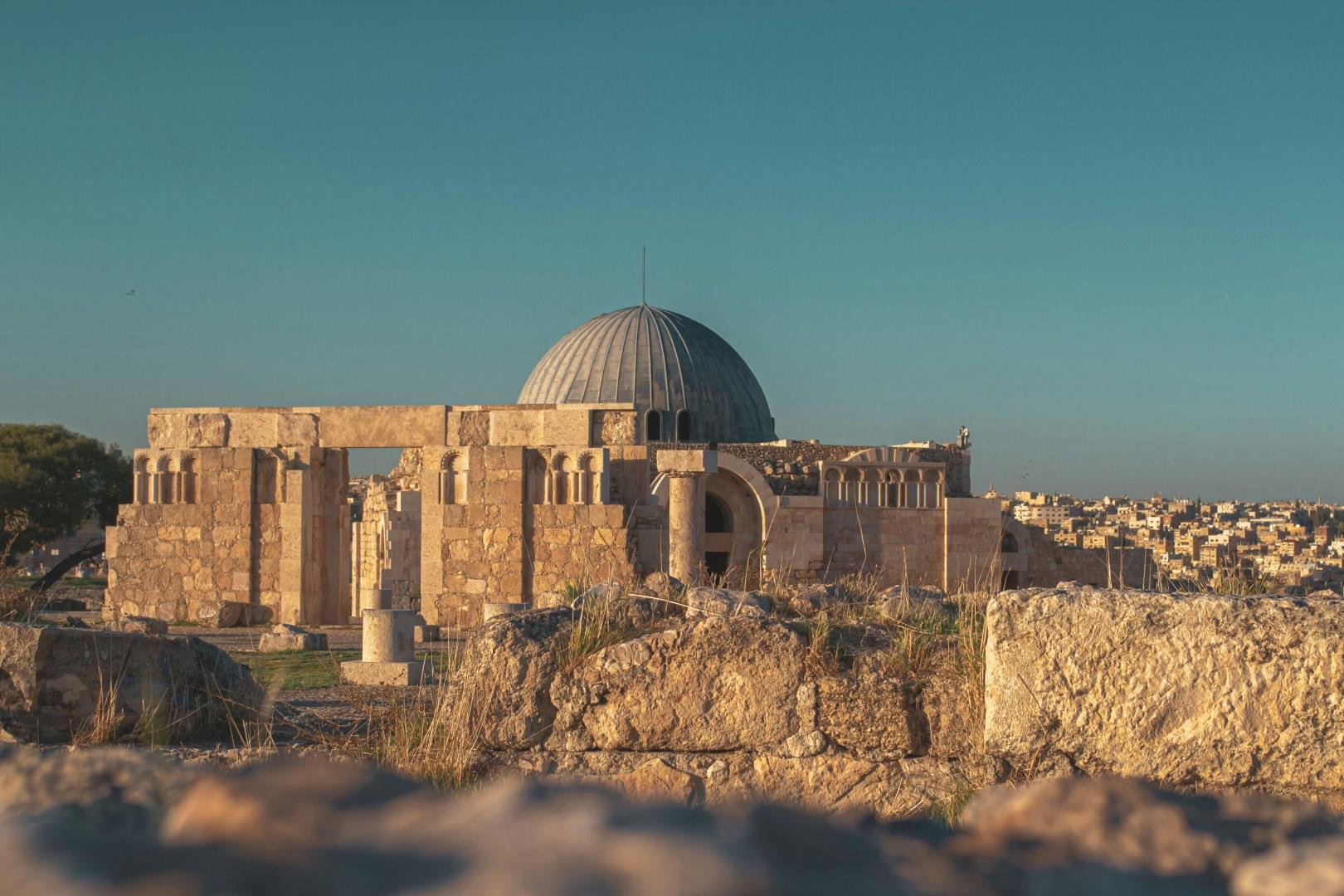
Amman
Situated near the Dead Sea, Amman is the capital of Jordan and a cultural and historical hub in the Middle East. Explore this sprawling city, replete with historic landmarks, museums, and mosques, and you’ll soon be enraptured by its blend of metropolitan and ancient beauty.
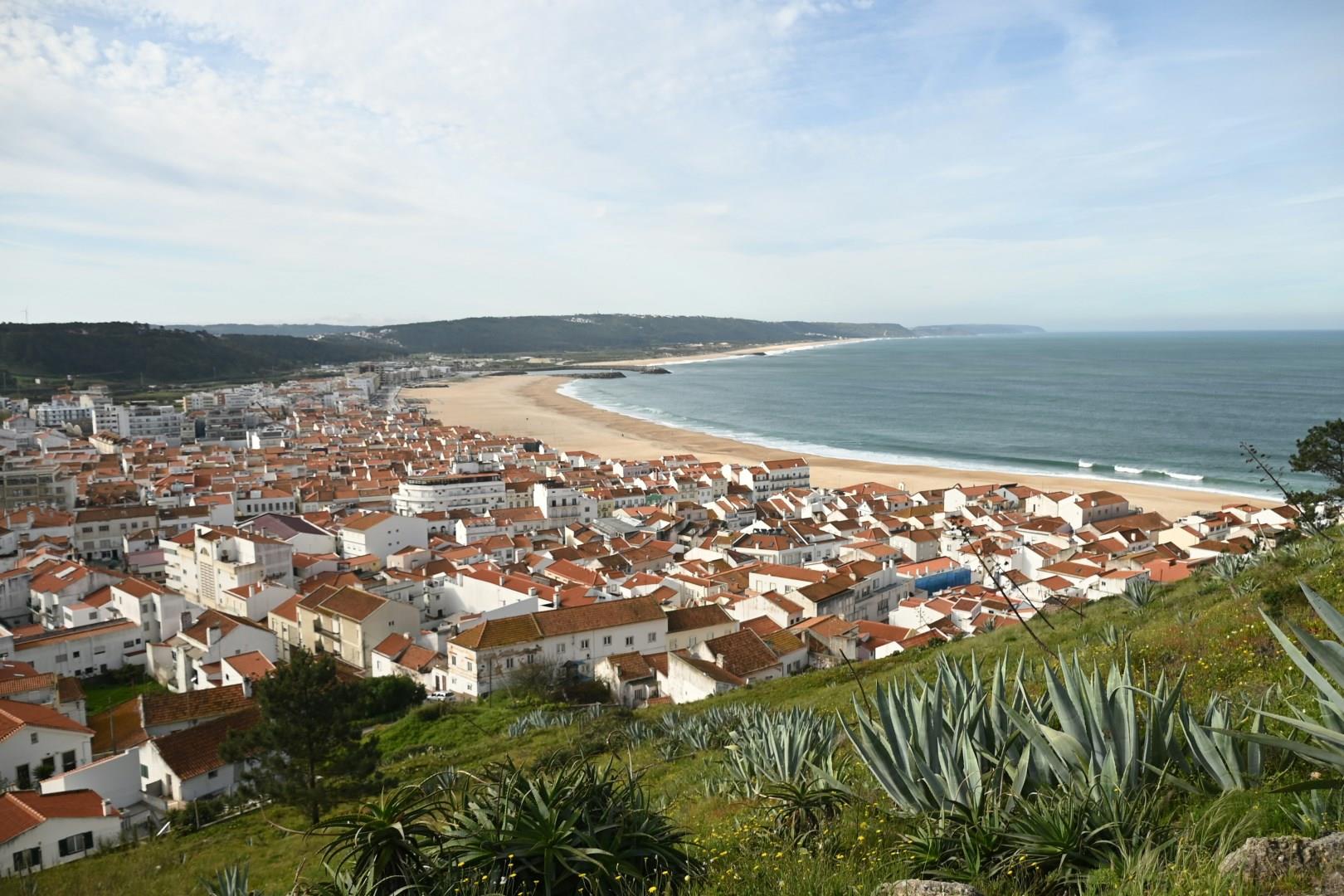
Nazare
Nazaré, set along Portugal’s wild Atlantic coast, is a fishing town transformed into one of the world’s most dramatic surf destinations. Its identity is deeply tied to the sea, both in its centuries-old maritime traditions and in the awe-inspiring waves that now draw visitors from around the globe.
