
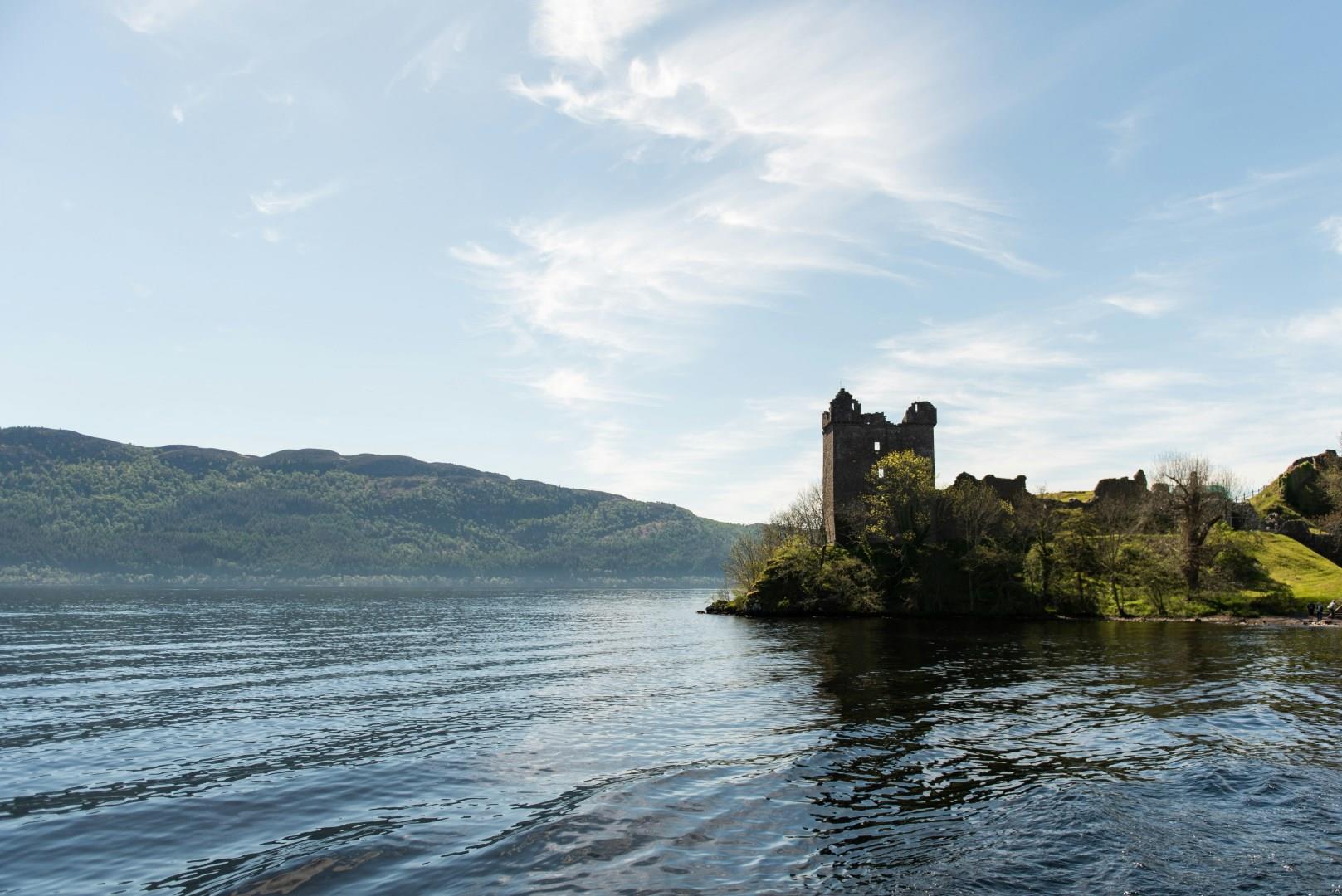
Loch Ness
Loch Ness stretches over 23 miles through the Scottish Highlands, holding more freshwater than all the lakes in England and Wales combined. Best known for its elusive resident, the so-called Loch Ness Monster, the loch has sparked international curiosity since the first modern "sighting" in 1933. While Nessie remains elusive, the surrounding landscape offers clear reasons to visit with steep hillsides, forested trails, and ancient ruins framing one of Scotland’s most iconic bodies of water.

Pokhara
Pokhara, nestled in central Nepal, sits at the base of the Annapurna mountain range and has long served as both a rest stop for trekkers and a destination in its own right. What sets Pokhara apart is the rare opportunity to see 8,000-meter peaks like Machapuchare (Fishtail) and Annapurna I reflected in the calm waters of Phewa Lake. Early mornings are often the clearest, with boat rides offering peaceful views of snow-capped peaks mirrored in the lake.

Doubtful Fjord
Doubtful Fjord (Doubtful Sound) is a large fjord in southwestern New Zealand, in the same region as the smaller but better known Milford Sound. It is home to an unusually large population of bottlenose dolphins, as well as a variety of birds, fur seals, penguins, and often even humpback whales.

Mâcon
Mâcon is a riverside town in the Saône et Loire department of southern Burgundy, set where the Saône River curves gently through the countryside. Walking through the town naturally leads visitors from the riverfront toward its historic streets, where the past seems to linger in every corner. In the heart of Mâcon’s historic district, pedestrians find streets lined with notable sites.

Iguassu Falls
Iguassu Falls, straddling the border between Brazil and Argentina, is a breathtaking natural wonder that captivates visitors with its sheer scale and beauty. This UNESCO World Heritage Site boasts the largest waterfall system in the world, with nearly 275 individual falls cascading over a rugged landscape.
