

Zion National Park
Zion National Park, located in southwestern Utah, is known for its massive sandstone cliffs, narrow slot canyons, and unique desert ecosystems. Established in 1919, it was Utah’s first national park and continues to attract visitors with its dramatic elevation shifts and striking rock formations. The park’s most iconic feature, Zion Canyon, stretches for 15 miles and reaches depths of up to 2,640 feet, carved over time by the Virgin River.

Uruguay
Uruguay may be one of South America's smallest countries, but it packs a striking variety of experiences into its compact borders. From the cobbled streets of Colonia del Sacramento to the avant-garde coastline of José Ignacio, Uruguay blends old-world charm with modern personality. Montevideo, the capital, offers a glimpse into everyday life with its seaside promenade, called the “Rambla,” which stretches over 20 kilometers along the Río de la Plata.
Bishkek
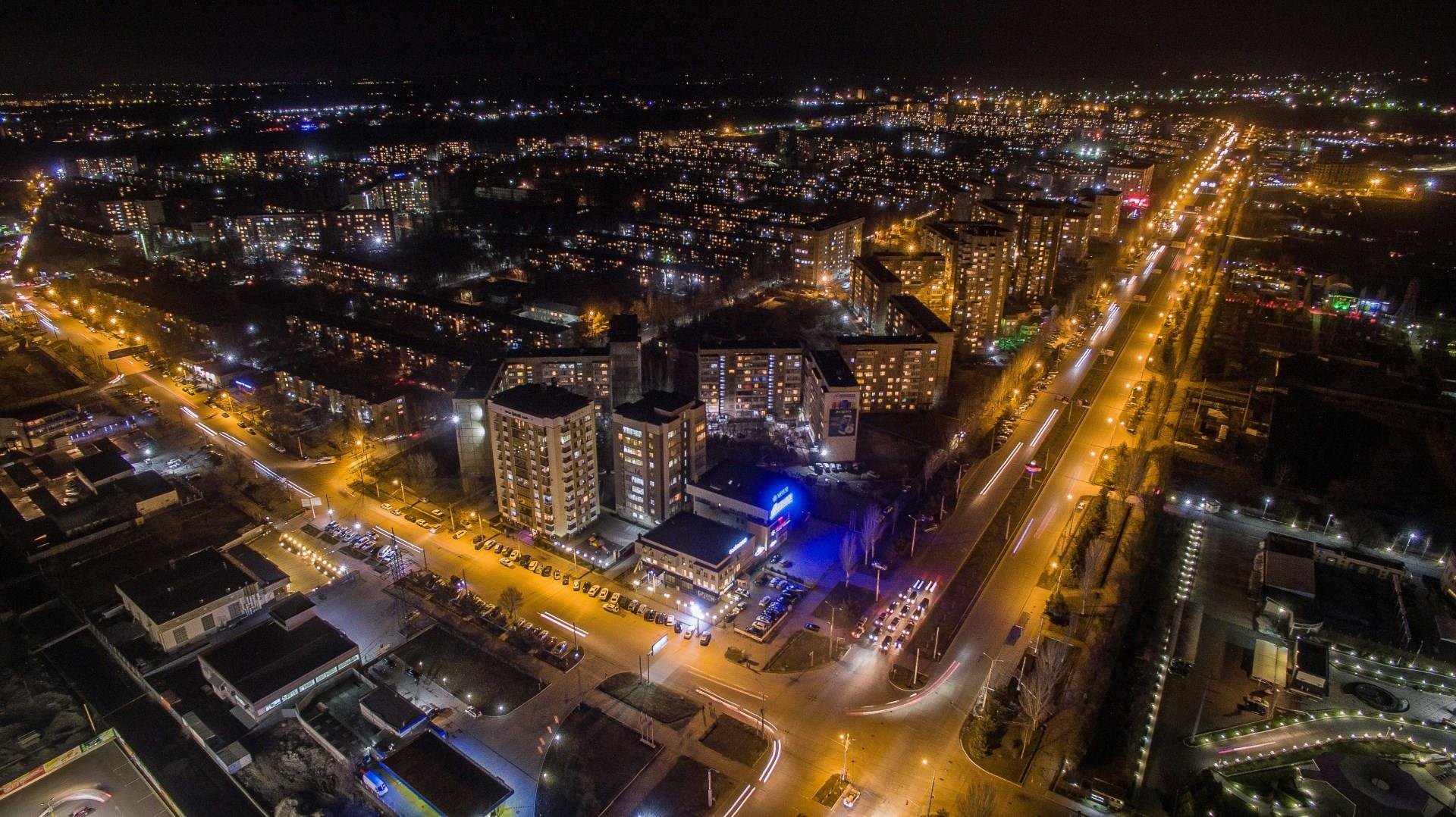
Bishkek, the capital of Kyrgyzstan, sits at the foot of the Ala-Too Mountains and serves as the country’s political, cultural, and economic center. The city is known for its wide tree-lined streets, Soviet-era architecture, and public squares.
Sudan
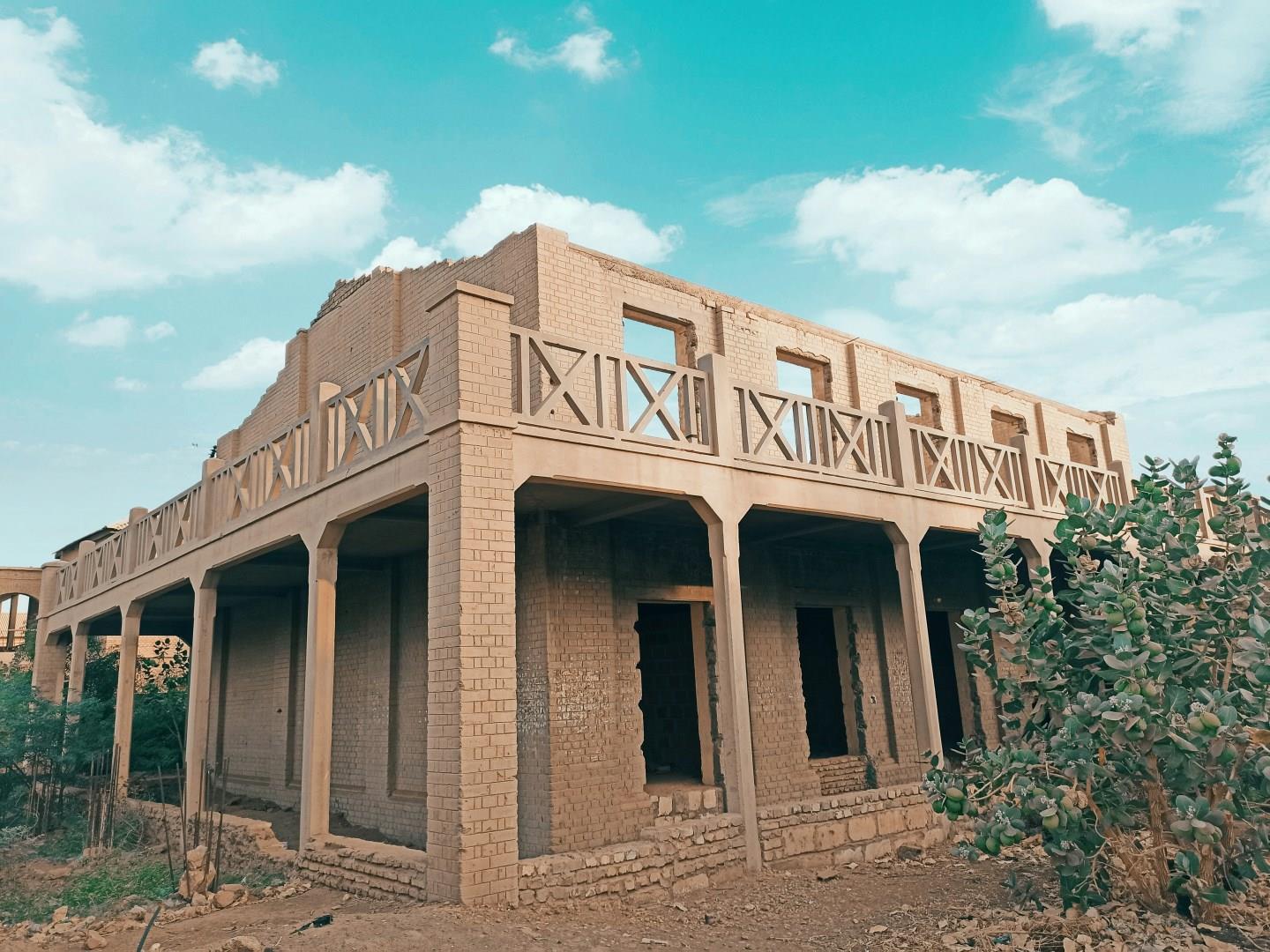
Sudan, located in northeastern Africa, is a country of diverse landscapes, from the vast Sahara Desert in the north to the fertile Nile Valley in the center. The Nile River, one of the world’s longest, runs through the country, shaping both its agriculture and history.
Funafuti Atoll
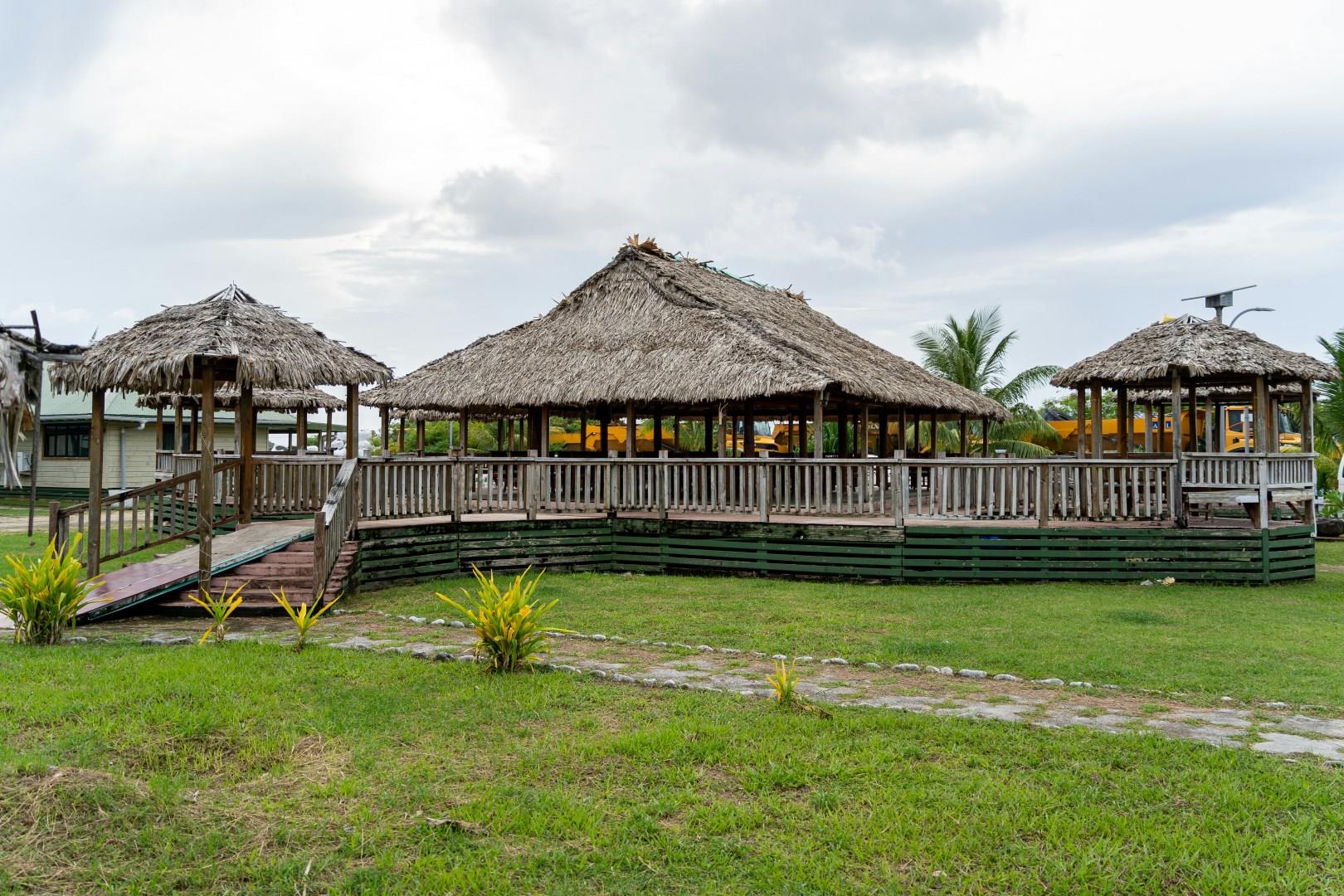
Funafuti Atoll, the capital of Tuvalu, is a narrow strip of land wrapped around a brilliant turquoise lagoon that stretches over 20 kilometers across. Despite being just 600 meters at its widest point, Funafuti is the heartbeat of the country, where government buildings, homes, schools, and the island’s only airport all coexist along sandy roads lined with coconut trees.
