
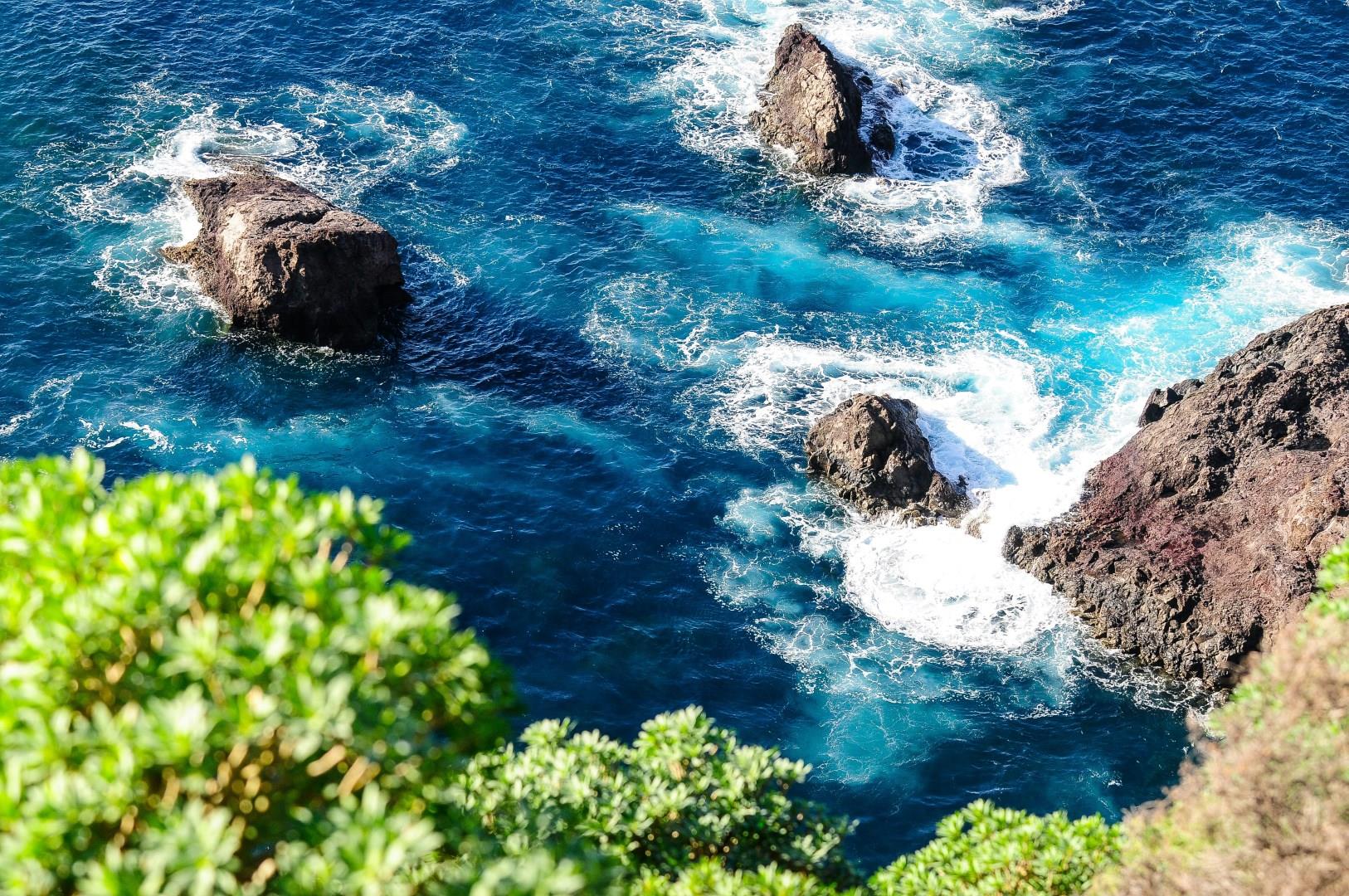
La Palma
La Palma (also San Miguel de La Palma) is the fifth of Spain's Canary Islands. This mountainous volcanic island is a natural wonder of tropical vegetation. Its coast is lined by jagged cliffs and plunging ravines, and its beaches are covered with black sand. Thanks to dry climate and the height of its mountains creating excellent observation conditions, La Palma has become the home of some of the world's largest telescopes, seated on the rocky ridge called El Roque de los Muchachos.
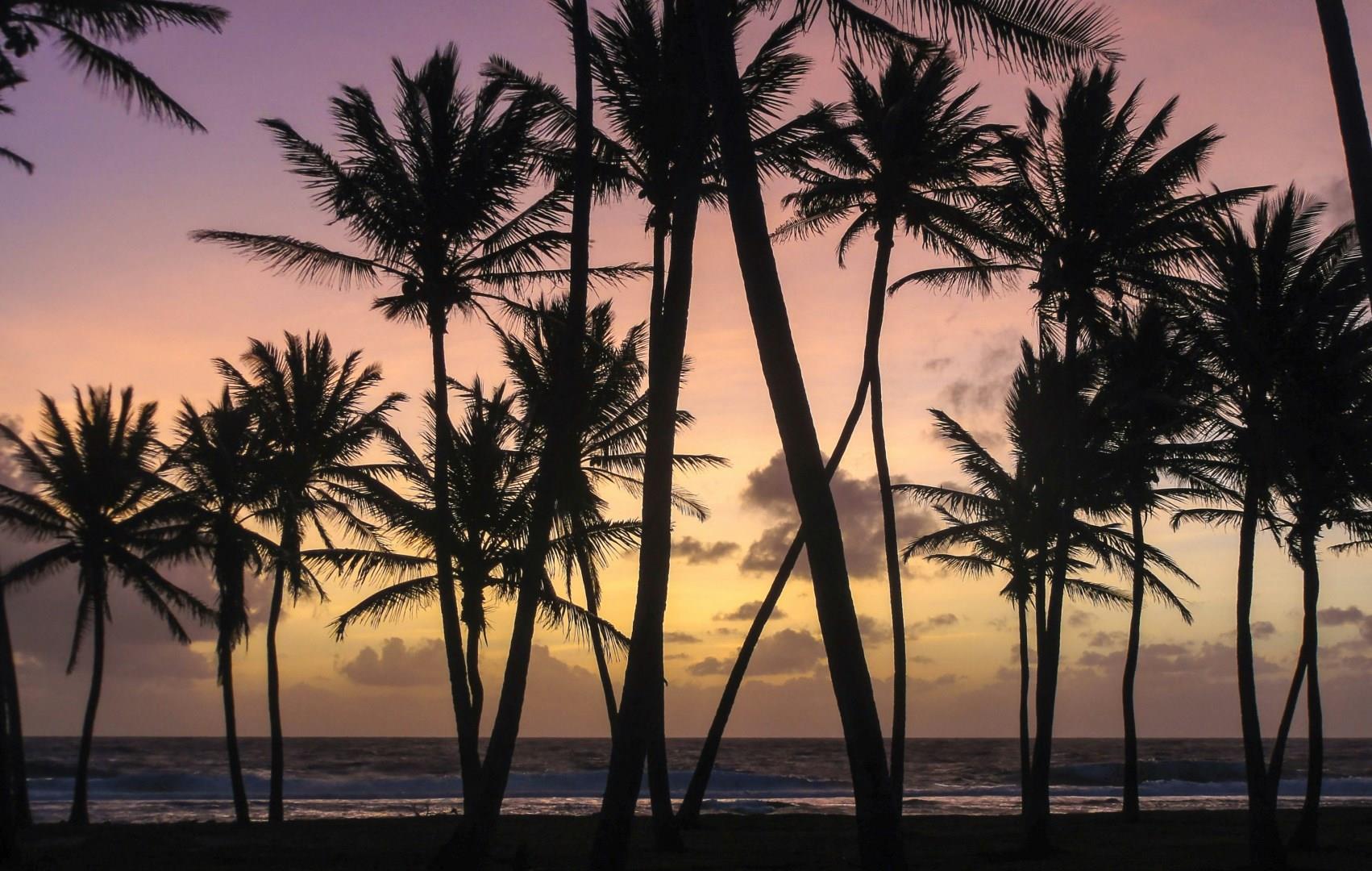
Marshall Islands
The Marshall Islands, a remote chain of atolls and islands in the central Pacific, invites travelers into a world where tradition, ocean life, and recent history all leave a lasting impression. Spread across nearly a million square miles of ocean, this independent nation offers rare access to some of the world’s most pristine marine environments.

Dresden
Dresden, the capital of Saxony, is a city where history, culture, and beauty seamlessly intertwine. Known as the "Florence on the Elbe," Dresden boasts a stunning array of baroque and rococo architecture that captivates visitors from around the world. Dresden hosts the world's oldest Christmas market, the Striezelmarkt, dating back to 1434.
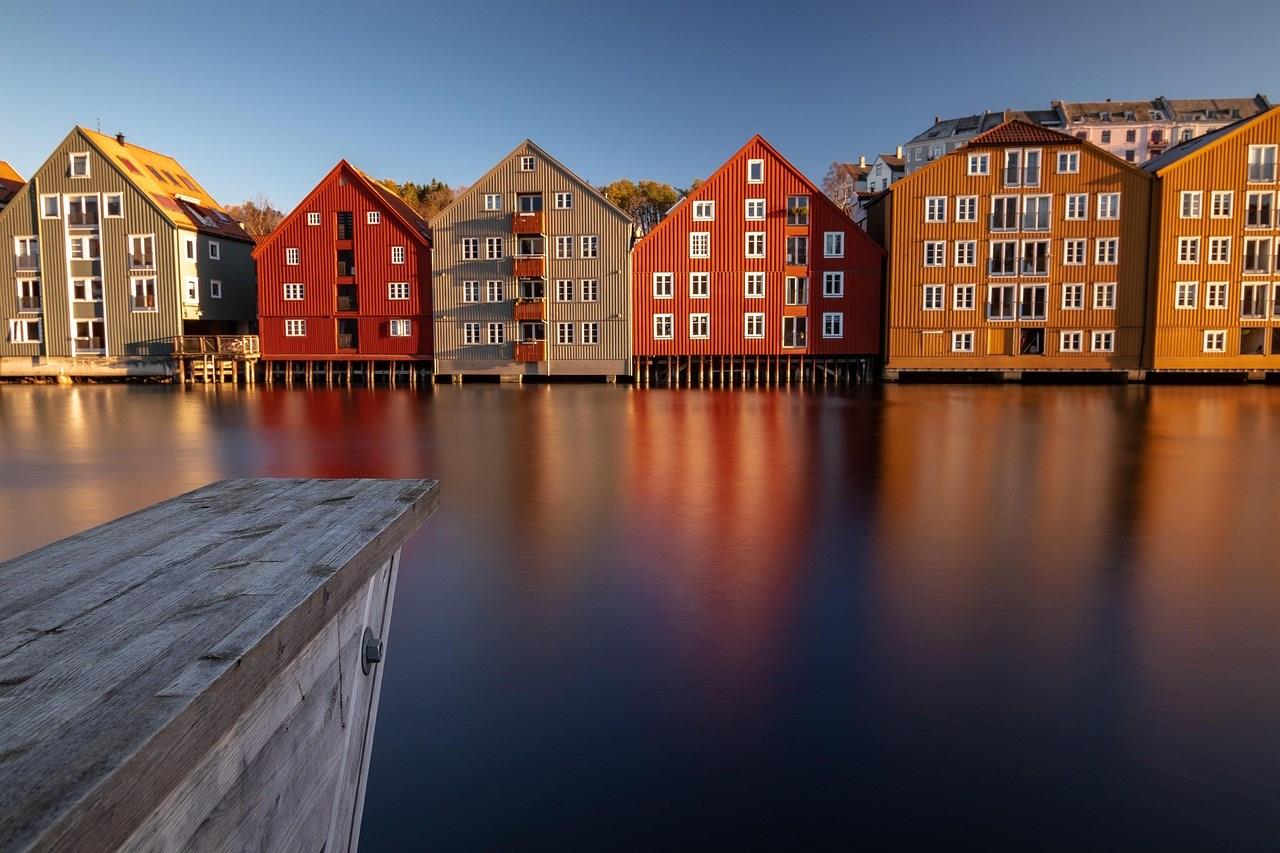
Sognefjord
Sognefjord, often called the “King of the Fjords,” is the longest and deepest fjord in Norway, stretching more than 200 kilometers inland from the North Sea. Towering cliffs rise dramatically on both sides of the water, some reaching over 1,000 meters high. Its size alone makes it a natural wonder, but what truly sets it apart is how the landscape changes along its length from wide, tranquil stretches to narrow passages where waterfalls plunge down sheer rock walls.
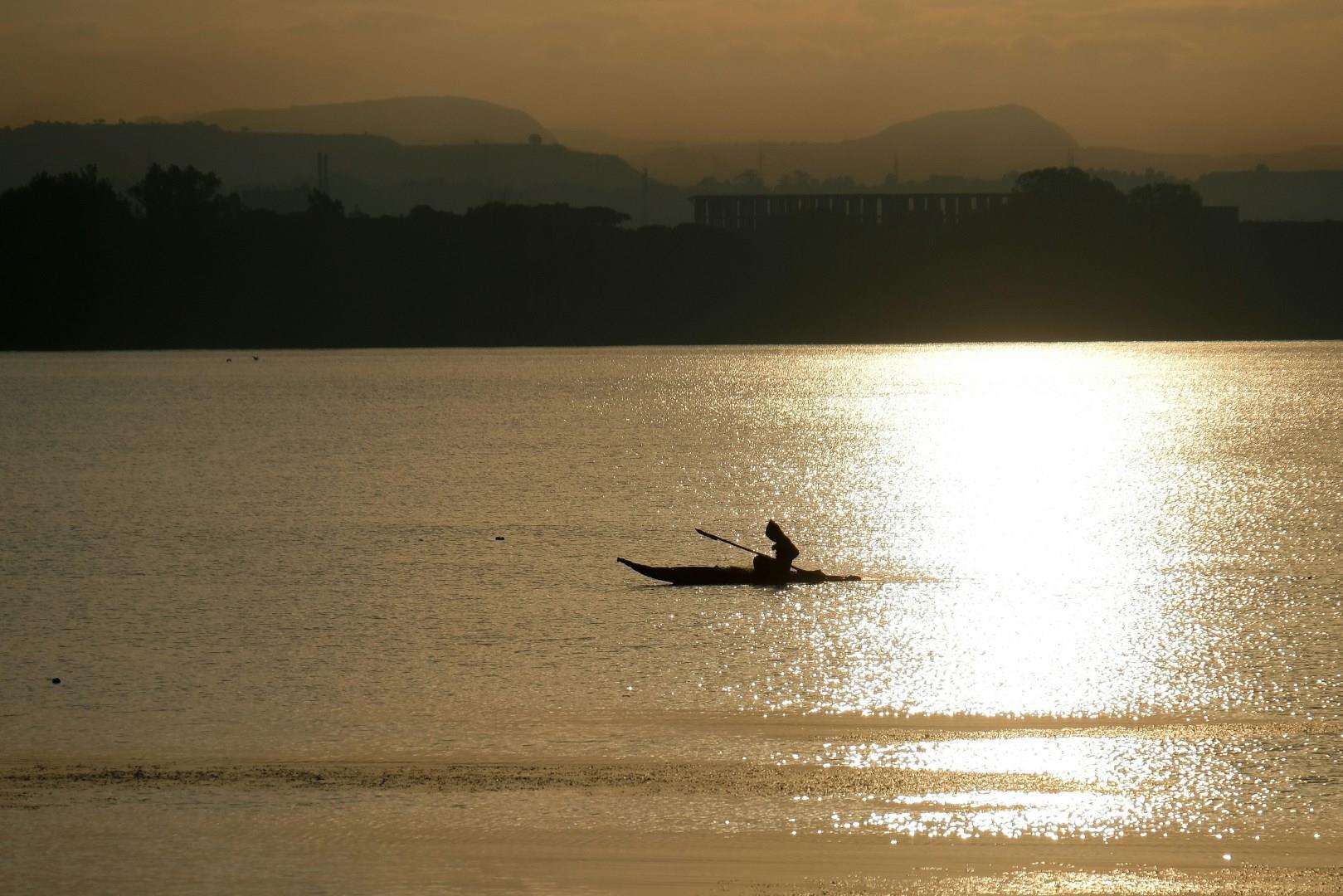
Lake Tana
Lake Tana, located in the northwest of Ethiopia, is the country’s largest freshwater lake and the source of the Blue Nile. Its calm waters are dotted with more than 30 islands, many of which are home to ancient monasteries adorned with religious paintings and manuscripts.
