

St. Maarten
St. Maarten, a dazzling island in the Caribbean, is renowned for its unique blend of Dutch and French cultures, reflecting its dual governance. The capital, Philipsburg, on the Dutch side, invites visitors with its vibrant Front Street, lined with duty-free shops, colorful markets, and charming eateries. The island’s cultural tapestry is further showcased in the Museum of Sint Maarten, where artifacts and exhibits illustrate the island's rich history and heritage.
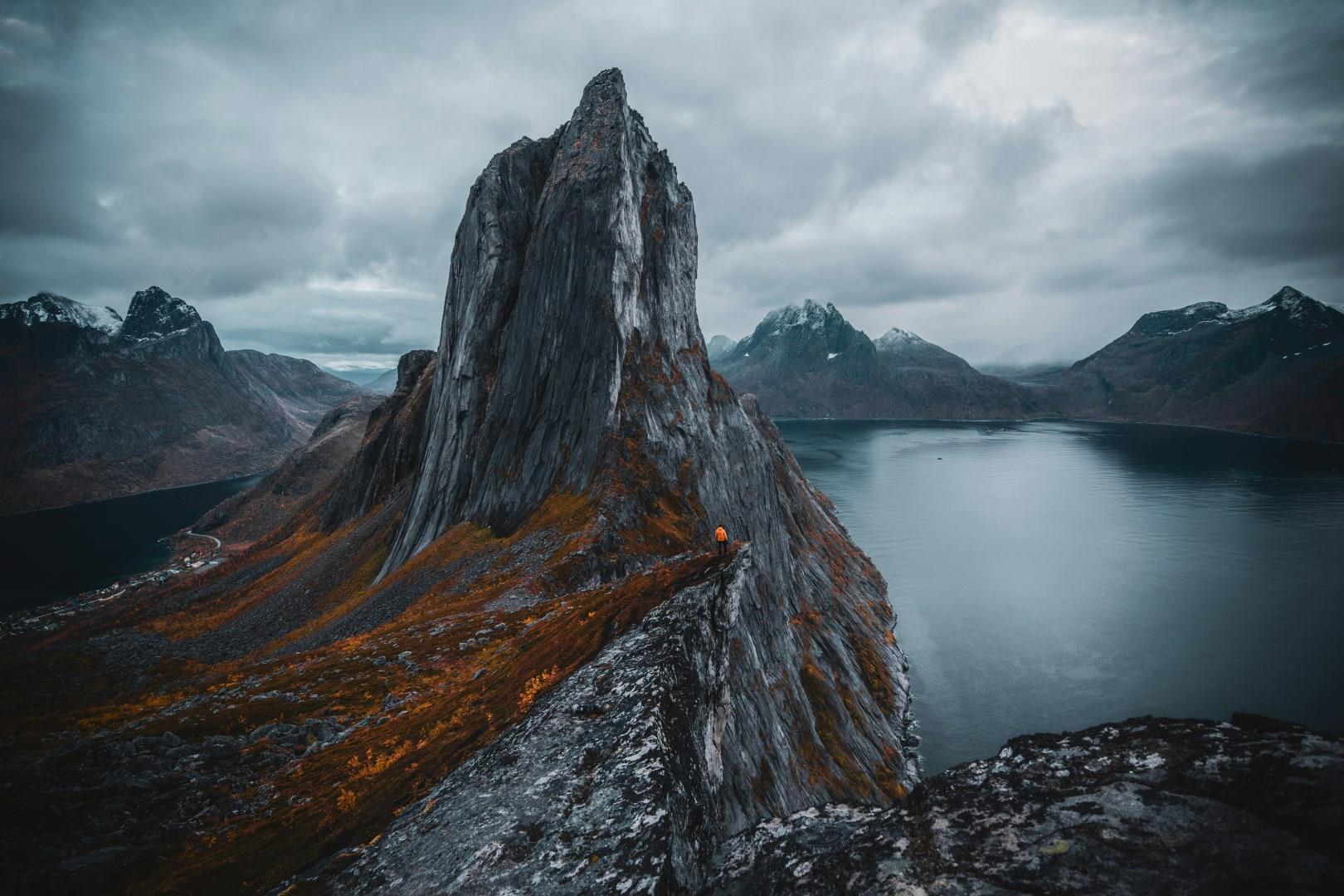
Senja
Senja is Norway’s second-largest island, located well above the Arctic Circle and often described as a condensed version of the country’s most dramatic landscapes.

Sweden
Sweden is a country where medieval towns, coastal archipelagos, and expansive forests sit side by side with modern design and a strong cultural identity. Stockholm, the capital, is built across 14 islands connected by bridges and ferries. The historic district of Gamla Stan features narrow, cobbled streets and colorful buildings dating back to the 13th century.

Copan
Copán, Honduras, is a hidden gem in Central America that beckons travelers with its extraordinary blend of ancient history, lush landscapes, and vibrant local culture. Known as the "Athens of the Maya," Copán is home to one of the most significant and well-preserved archaeological sites of the Mayan civilization, a UNESCO World Heritage Site.
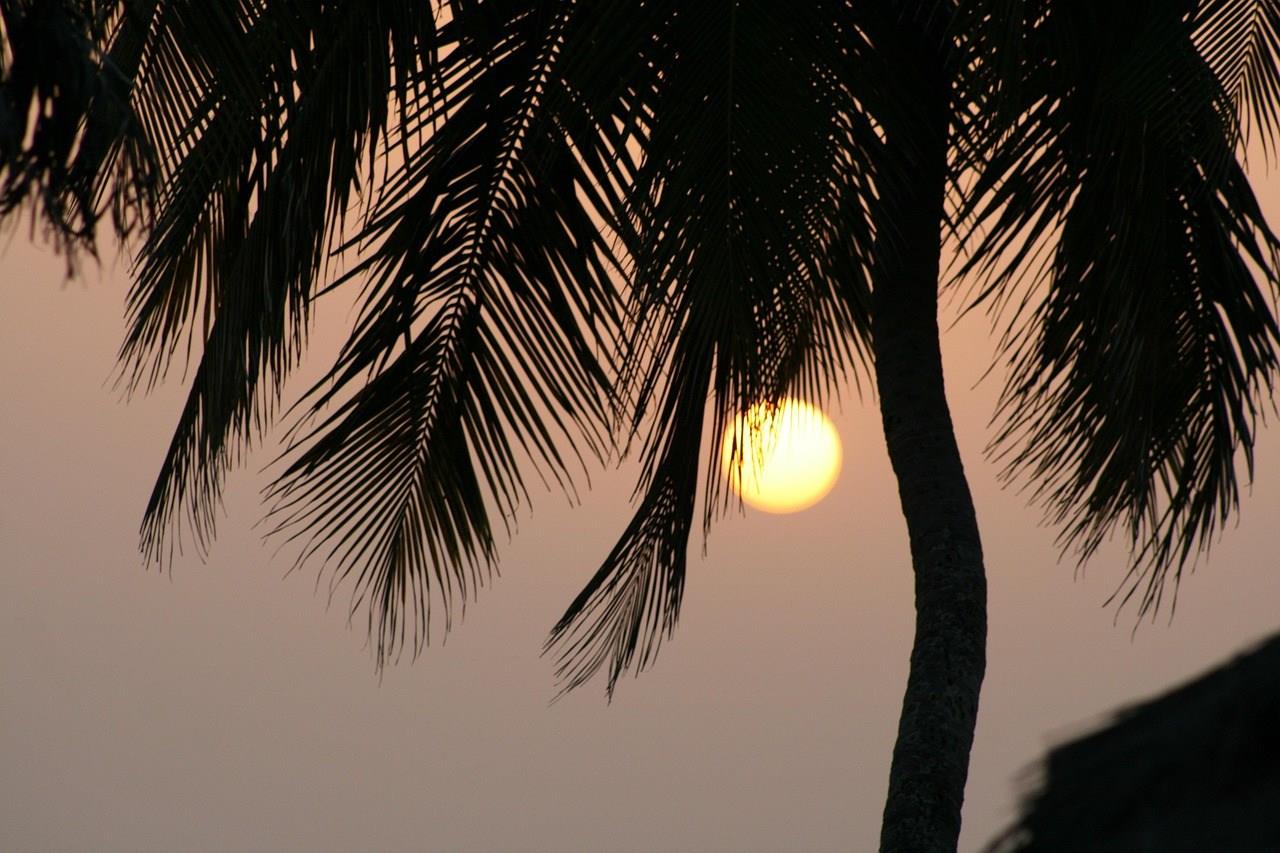
Guinea
Guinea, located on the west coast of Africa, offers a rich blend of landscapes, cultures, and traditions that remain largely untouched by mass tourism. Its Atlantic shoreline is dotted with fishing villages and sandy beaches, while inland, rolling highlands and dense rainforests give way to sweeping savannas.
