
Key Largo
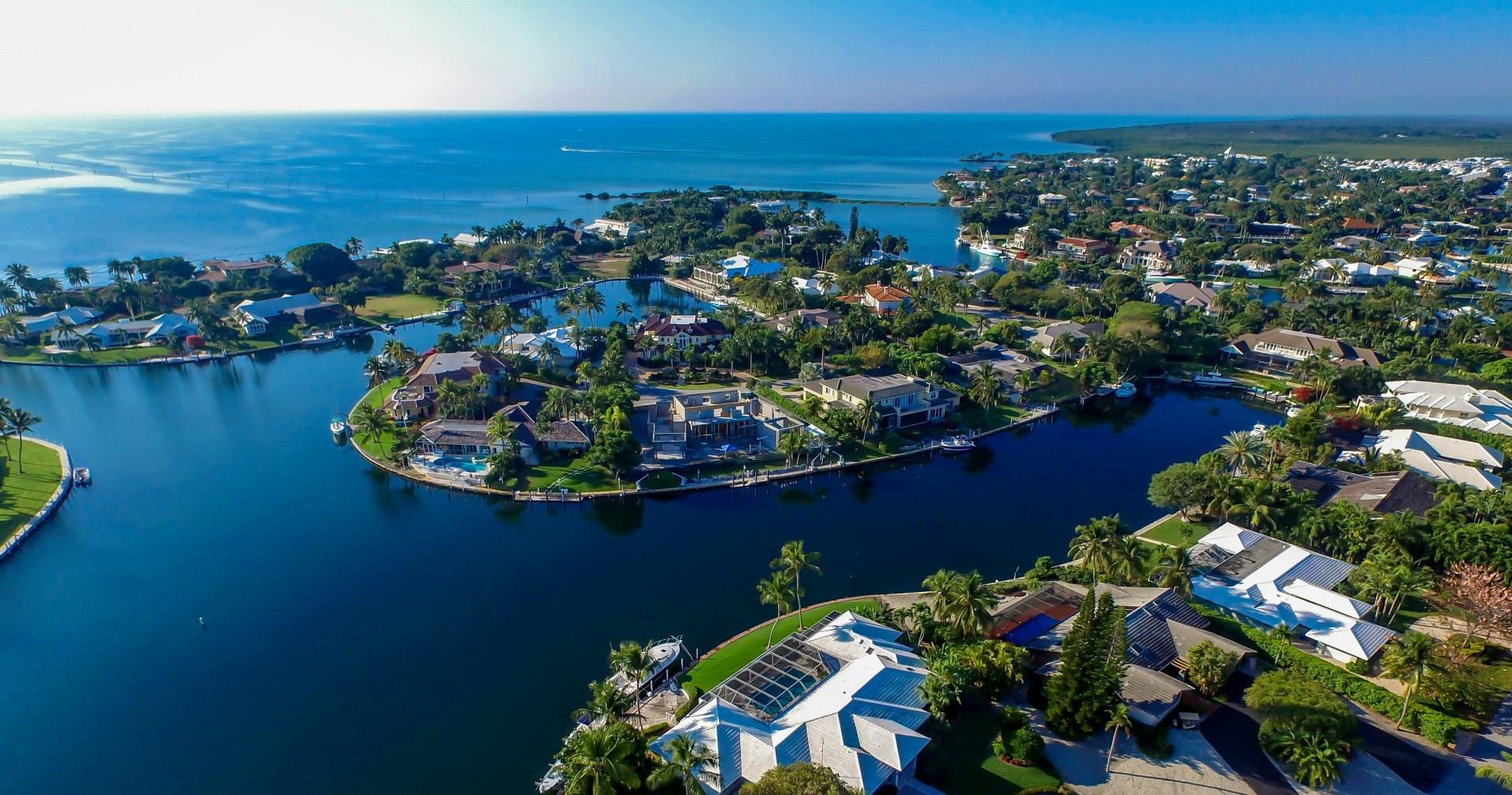
Key Largo, the northernmost of the Florida Keys, is renowned for its pristine natural beauty and vibrant marine life. As part of the Florida Keys archipelago, Key Largo is a gateway to the spectacular underwater world of the John Pennekamp Coral Reef State Park, the first underwater park in the U.S. Here, visitors can explore vibrant coral reefs through snorkeling and scuba diving, or take a glass-bottom boat tour to marvel at the colorful marine ecosystems without getting wet.

Zion National Park
Zion National Park, located in southwestern Utah, is known for its massive sandstone cliffs, narrow slot canyons, and unique desert ecosystems. Established in 1919, it was Utah’s first national park and continues to attract visitors with its dramatic elevation shifts and striking rock formations. The park’s most iconic feature, Zion Canyon, stretches for 15 miles and reaches depths of up to 2,640 feet, carved over time by the Virgin River.

Karlovy Vary
Karlovy Vary, nestled in the west of the Czech Republic, is renowned for its therapeutic thermal springs and charming architecture. The town's spa heritage dates back to the 14th century when Charles IV, the Holy Roman Emperor, discovered the healing powers of its mineral waters. Today, Karlovy Vary continues to attract visitors seeking relaxation and wellness at its historic spa resorts, such as the luxurious Grandhotel Pupp, a hallmark of classic elegance source.

Phillip Island
Phillip Island, a serene escape located just 90 minutes from Melbourne, Australia, is a natural wonderland that entices visitors with its stunning coastal landscapes and unique wildlife experiences. The island is most famous for its Penguin Parade, where every evening at sunset, hundreds of little penguins—the smallest penguin species in the world—waddle ashore to their burrows on Summerland Beach.
Podgorica
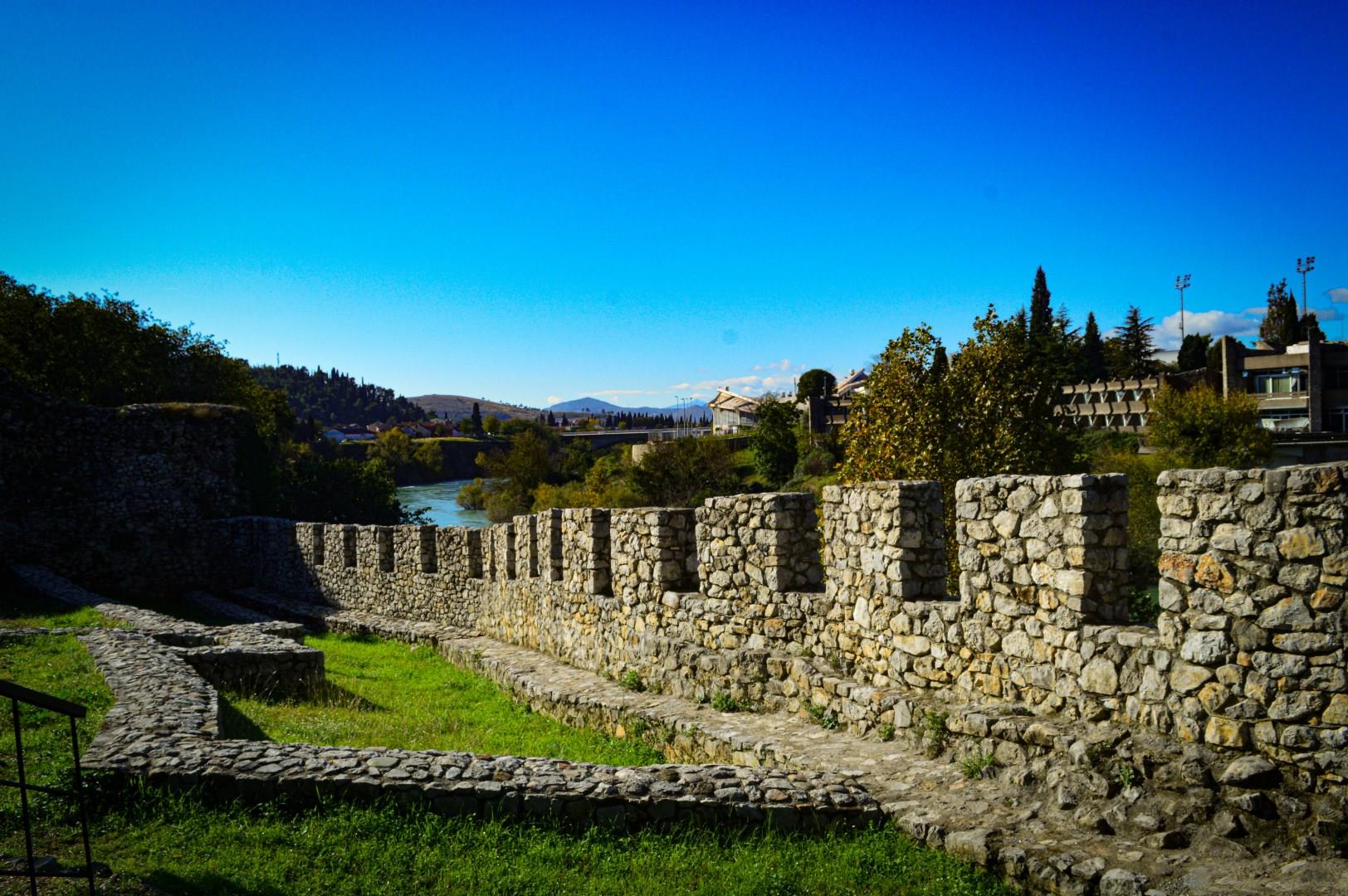
Podgorica, the capital of Montenegro, showcases the country’s contrasting landscapes and deep-rooted history. Although much of the city was rebuilt after World War II, traces of its Roman and Ottoman past still remain. Visitors can explore the ruins of Doclea, a Roman settlement just outside the city, where surviving columns and mosaics give a glimpse into life nearly two millennia ago.
