
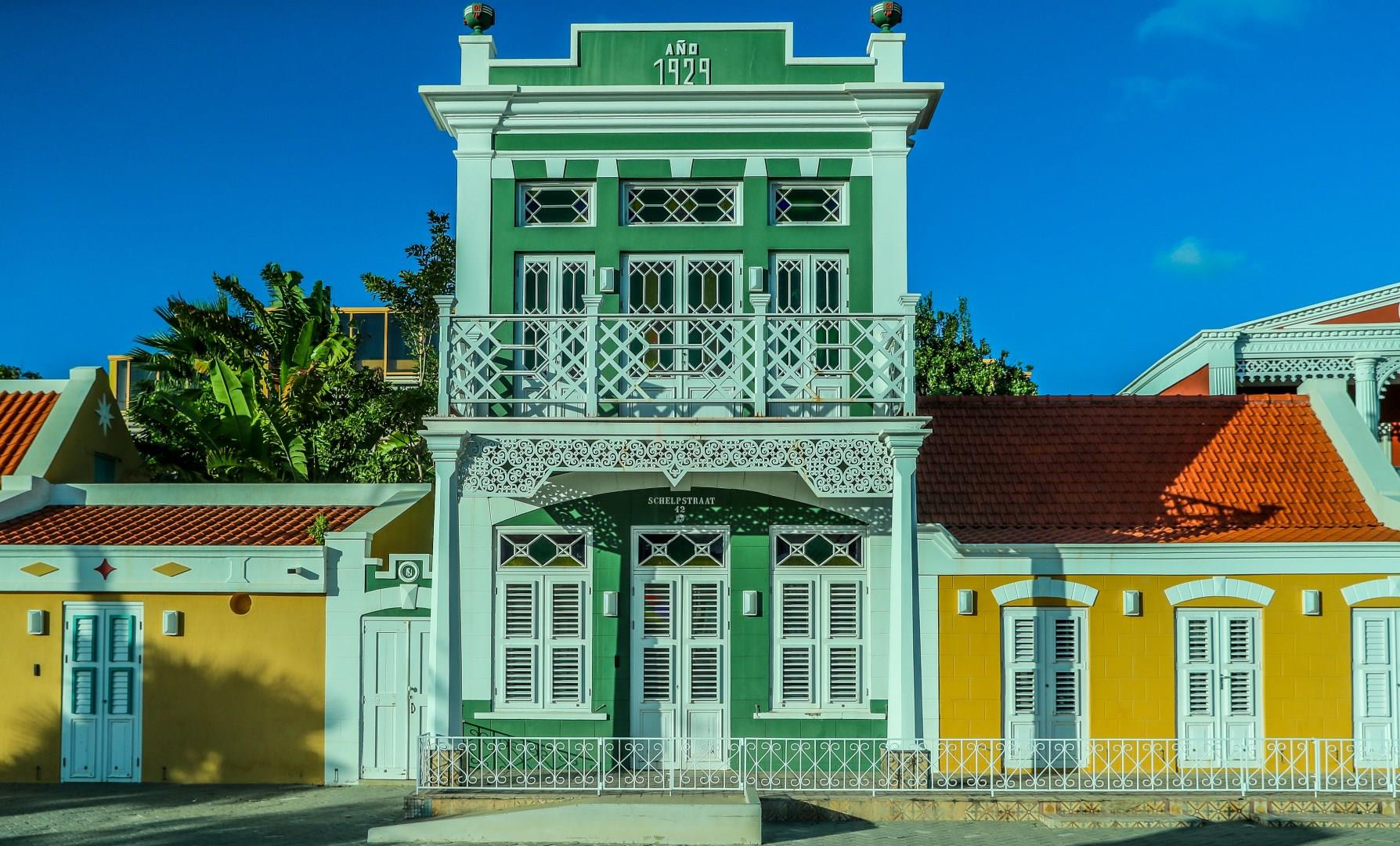
Oranjestad
Oranjestad, Aruba’s colorful capital, blends Dutch colonial charm with the island’s easygoing Caribbean character. The city’s pastel-painted buildings, adorned with gables and decorative facades, recall its Dutch heritage while housing modern boutiques, cafés, and museums.
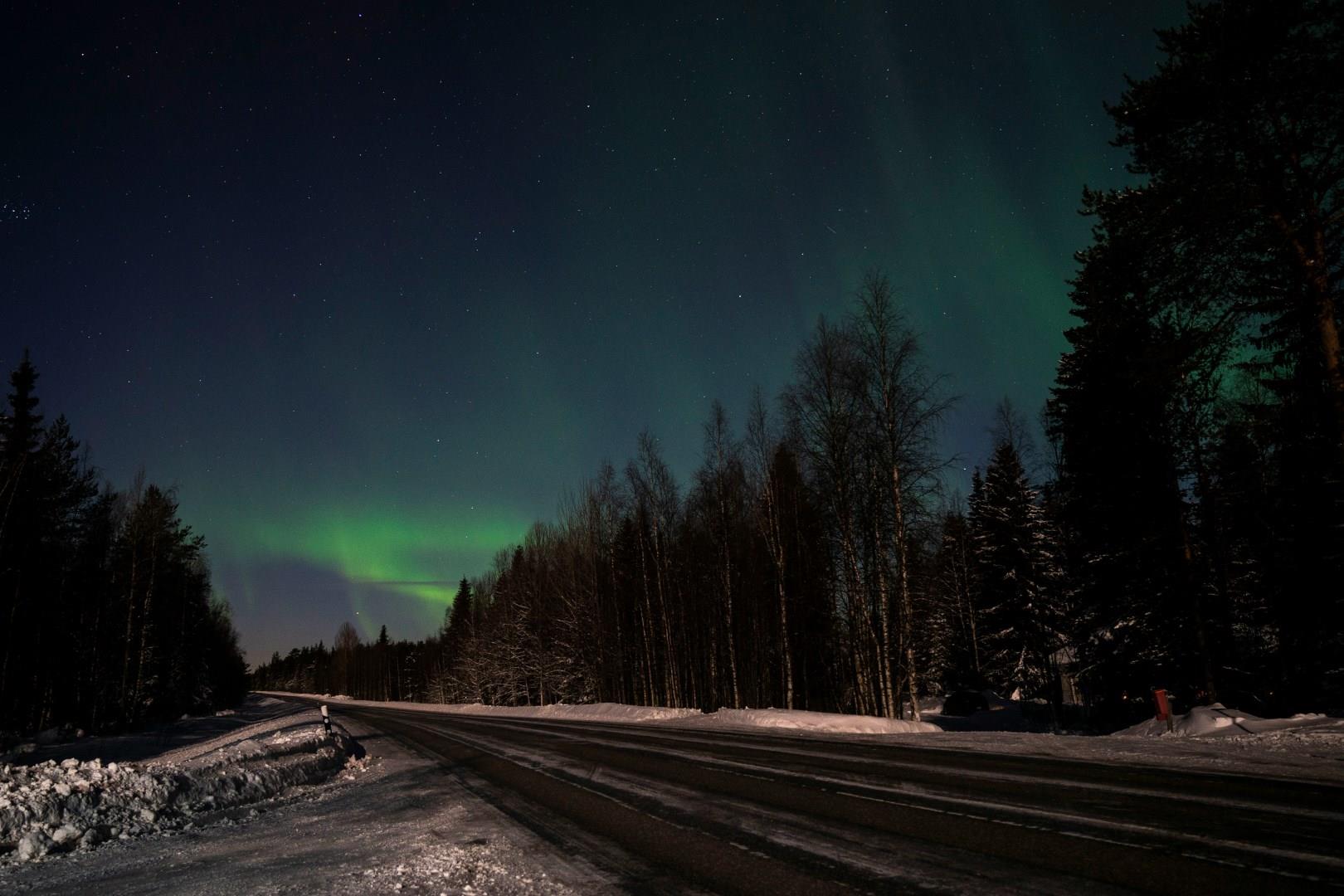
Rovaniemi
Rovaniemi, located just a few kilometers south of the Arctic Circle, is widely recognized as the official hometown of Santa Claus. From late August through early April, the Northern Lights are visible on clear nights, and several local guides offer nighttime tours to remote locations for optimal viewing. During summer, the sun doesn't set for weeks, giving travelers the rare chance to hike or kayak under a sky that stays bright at midnight.
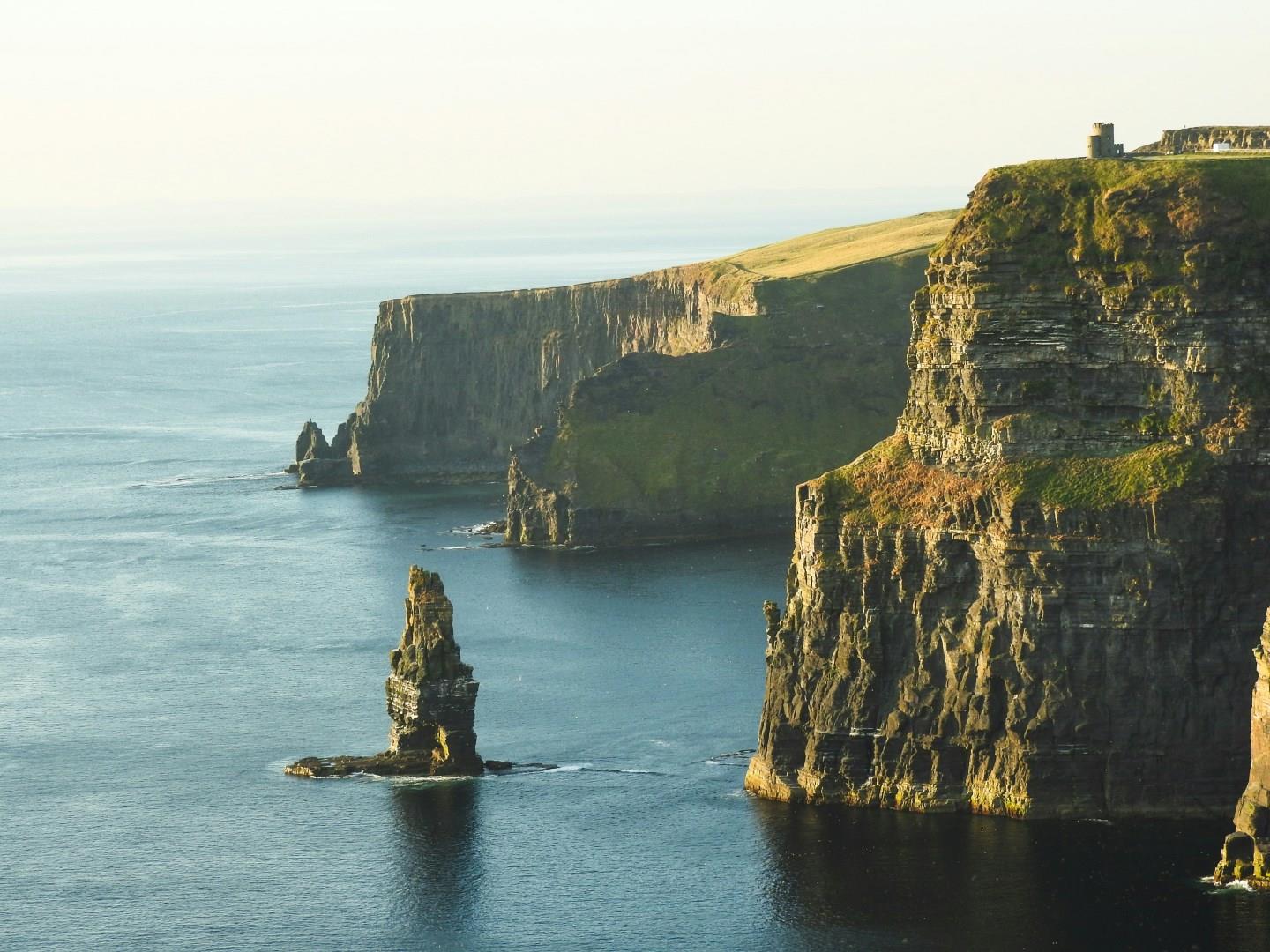
Cliffs of Moher
The Cliffs of Moher rise dramatically from the Atlantic Ocean, stretching for about 8 kilometers along Ireland’s western coast in County Clare. At their highest point near O'Brien's Tower, the cliffs reach 214 meters, offering uninterrupted views of the Aran Islands, Galway Bay, and the craggy peaks of Connemara on a clear day. These ancient sea cliffs have stood for over 300 million years and remain one of the most visited and photographed sites in Ireland.
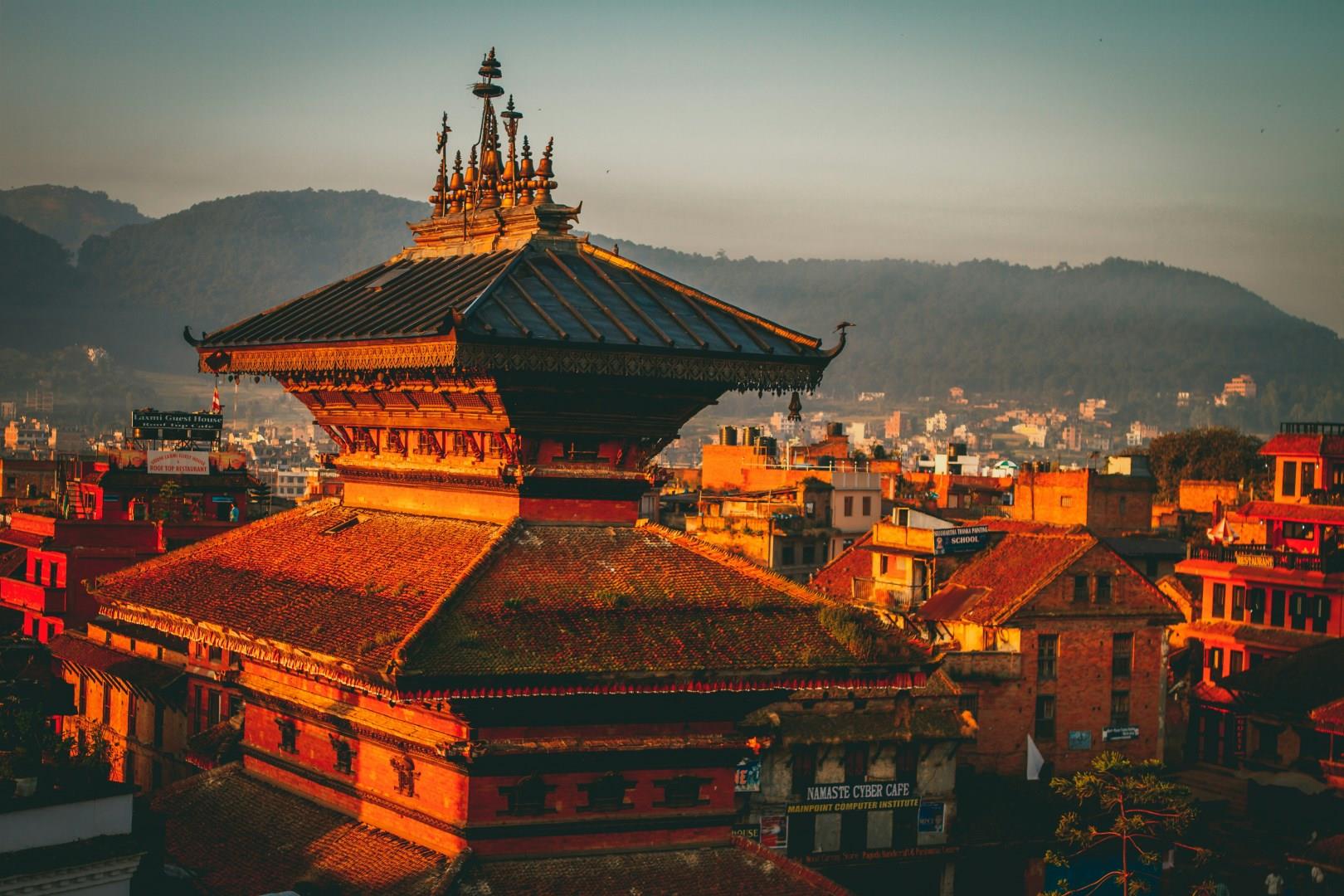
Bhaktapur
Bhaktapur, located just east of Kathmandu in Nepal, is a city where time seems to slow. Famous for its well-preserved medieval architecture, it is often called a “living museum” due to its abundance of temples, palaces, and courtyards.

Latvia
Latvia invites visitors to explore a land where medieval streets meet vast forests and a lively coastline. Riga, the country’s capital, is home to one of the largest and best-preserved collections of Art Nouveau architecture in Europe. Walking through the Old Town, visitors can admire intricate facades and cobblestone streets that lead to landmarks like the House of Blackheads and St. Peter’s Church, whose tower offers panoramic views of the city.
