

Virgin Gorda
Part of the British Virgin Islands, Virgin Gorda is an island in the Caribbean famous for The Baths National Park, whose natural geologic granite formations dot the island's beaches and create stunning tidal pools and grottoes.
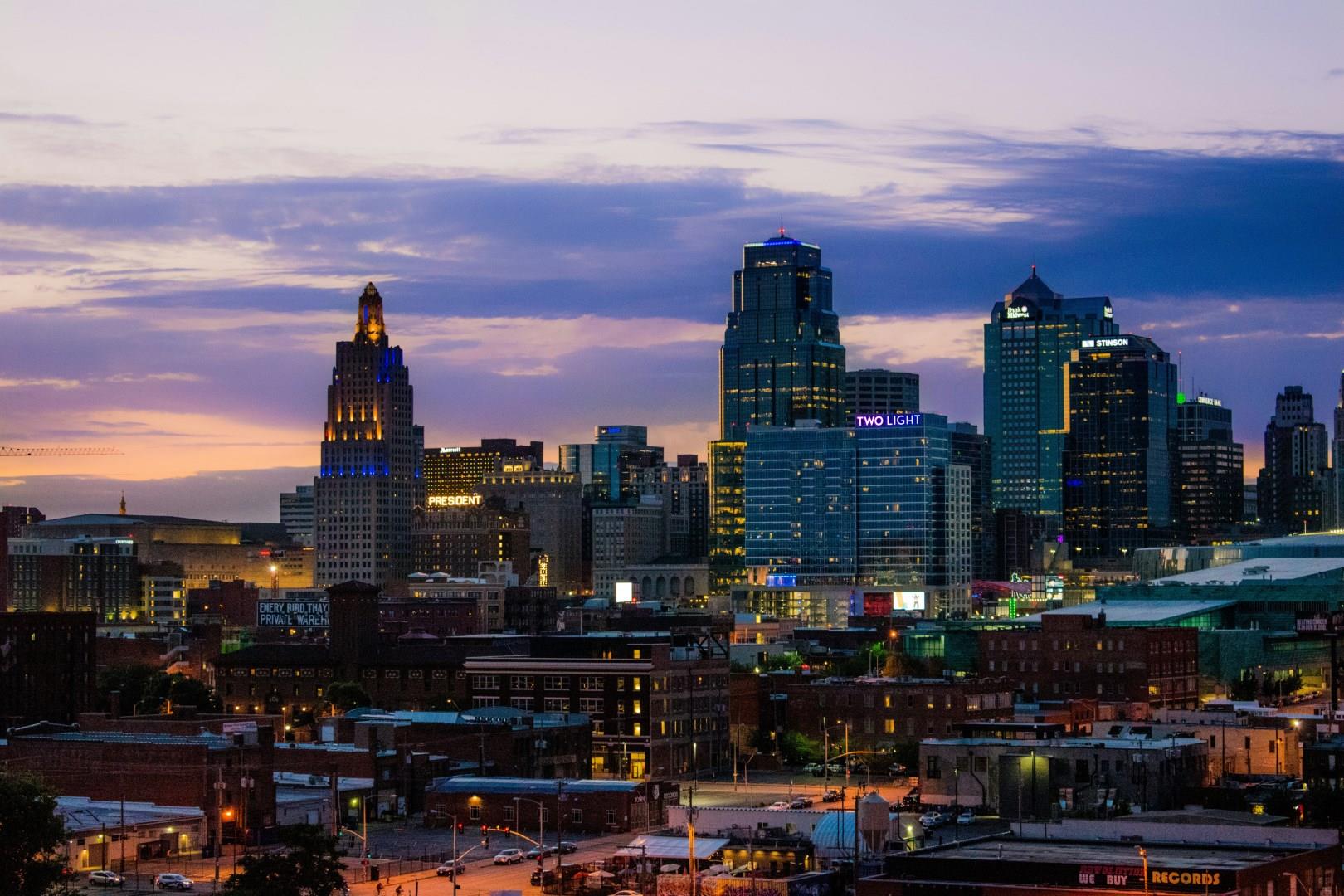
Kansas City
Kansas City, Kansas offers more than meets the eye. Located at the confluence of the Kansas and Missouri Rivers, this city blends its industrial roots with surprising pockets of creativity, flavor, and local pride. Food plays a big role in the city’s identity, and no trip is complete without sampling its barbecue. While its Missouri neighbor may get more attention, Kansas City holds its own with iconic joints like Slap’s BBQ, a local favorite known for brisket that draws lines out the door.

Gibraltar
Perched at the southern tip of the Iberian Peninsula, Gibraltar is a captivating destination where British and Mediterranean influences seamlessly blend. Dominated by the iconic Rock of Gibraltar, this British Overseas Territory is a haven for travelers seeking both adventure and history. The Rock itself is a limestone monolith that stands 426 meters high and offers breathtaking views over the Strait of Gibraltar, where the Mediterranean Sea meets the Atlantic Ocean.

Flåm
Flåm is a charming village nestled in the breathtaking fjords of Norway. Highlights include the Flåm Railway Museum, Fretheimshaugane park, and Otternes Bygdetun, a remote farm dating back to the 18th century.

Bolivia
Bolivia is a country where altitude meets attitude high in the Andes with rich traditions that stretch back thousands of years. Its capital, La Paz, sits in a bowl-shaped valley surrounded by jagged peaks, making it one of the highest cities in the world. Cable cars glide over the city’s rooftops, linking markets, museums, and neighborhoods in a way that doubles as both transport and sightseeing. From here, visitors can easily reach the Moon Valley.
