
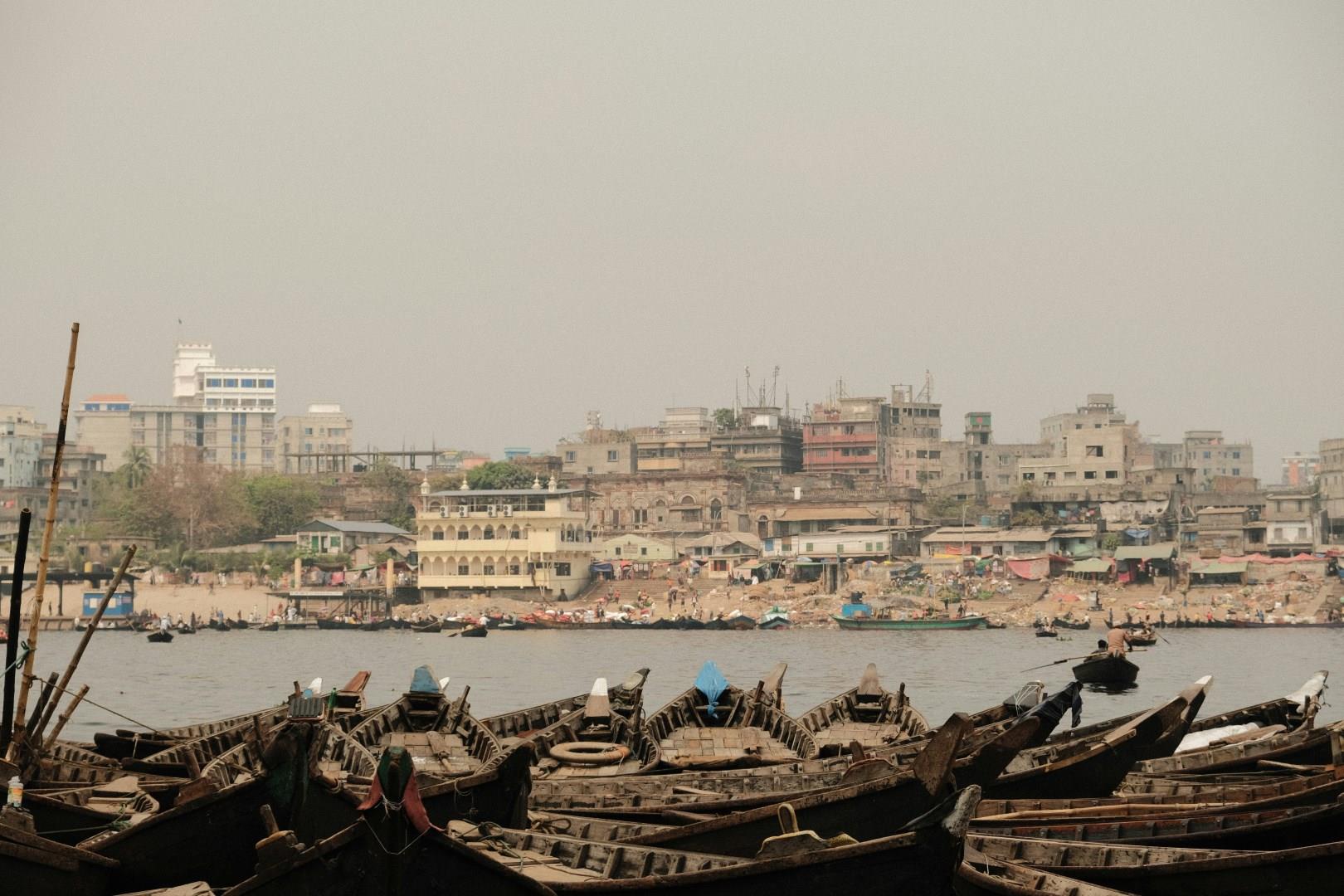
Dhaka
Dhaka, the capital of Bangladesh, is a city of striking contrasts where centuries-old traditions meet rapid modern growth. Known as the “City of Rickshaws,” it is famous for its vibrant street life, colorful cycle rickshaws, and markets that seem to run around the clock.
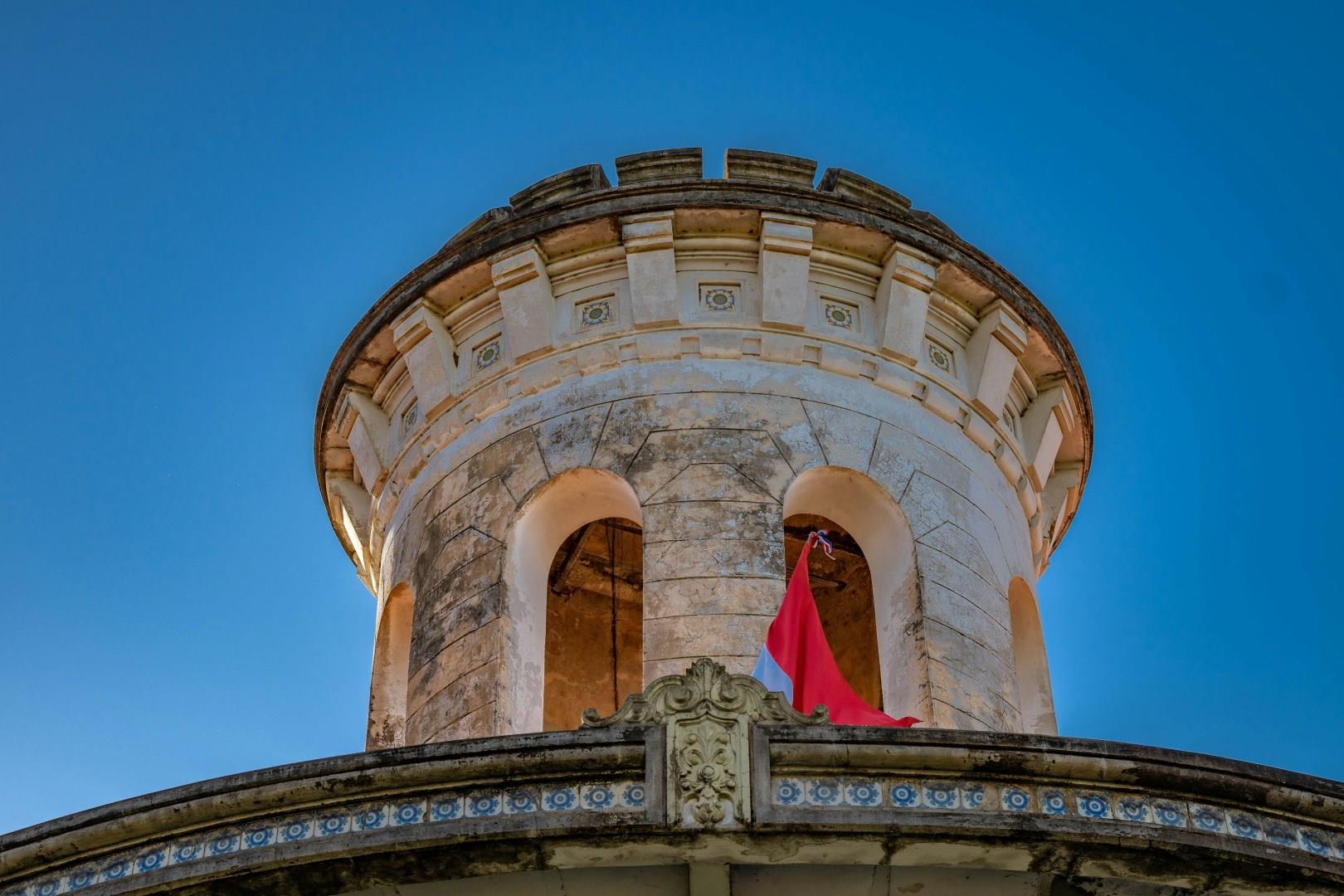
Areguá
Just 30 kilometers from Asunción, Areguá welcomes visitors with cobbled streets, colonial facades, and a creative energy that has earned it the title of Paraguay’s “City of Arts.” Known for its thriving artist community and traditional crafts, Areguá is perched on the edge of Lake Ypacaraí and framed by rolling hills and red clay cliffs. Whether you're arriving for the annual strawberry fair or simply passing through on a weekend escape, Areguá invites slow walks, open studios, and conversation.

Dominica
Dominica, known as the “Nature Island of the Caribbean,” is a haven for eco-tourists and adventure seekers. Nestled between the French islands of Guadeloupe and Martinique, this lush island boasts a remarkable landscape of volcanic mountains, dense rainforests, and stunning waterfalls. Dominica’s most iconic natural wonder is the Boiling Lake, the second-largest hot spring in the world.
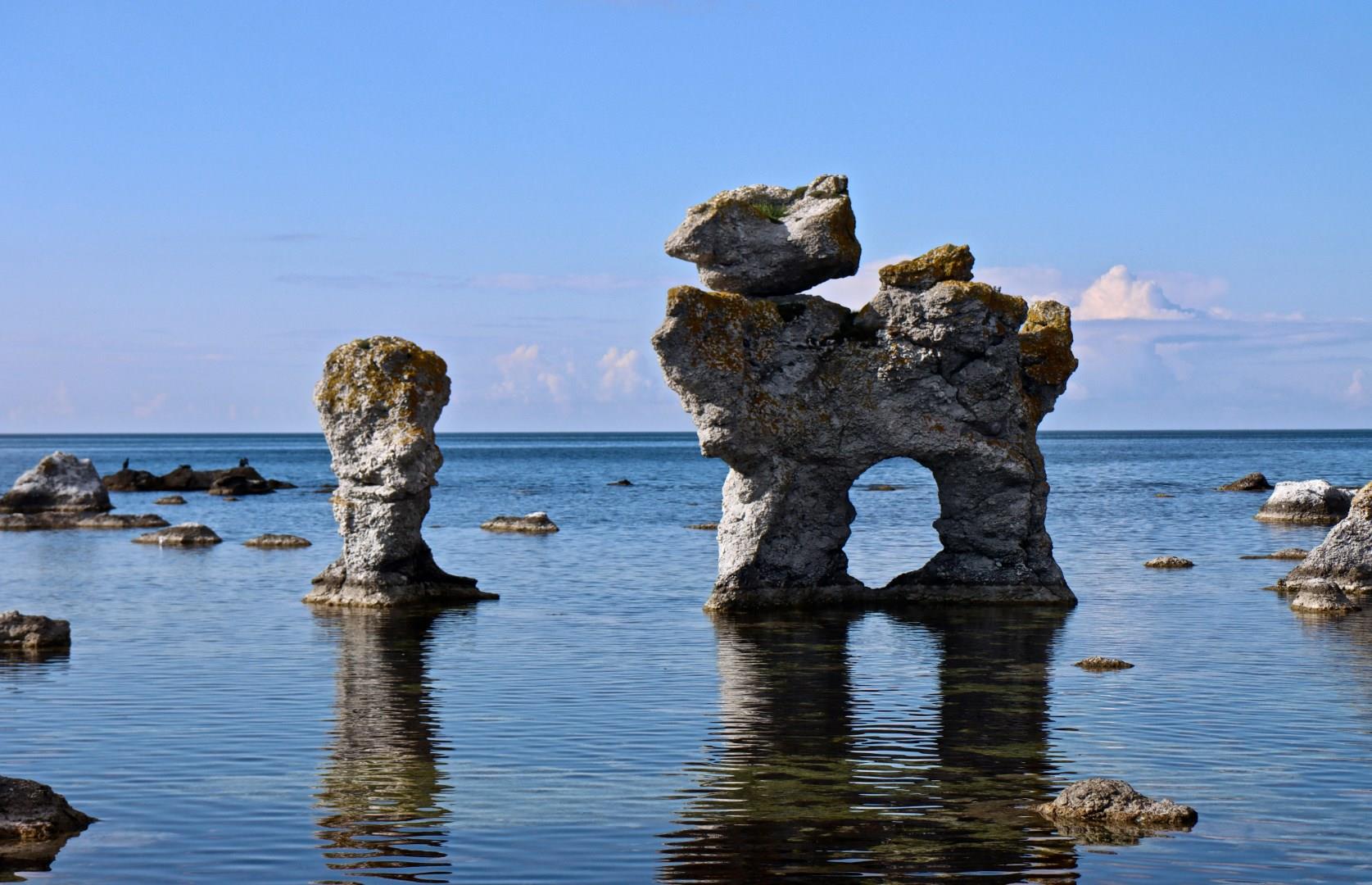
Gotland
Gotland, Sweden’s largest island, sits in the Baltic Sea and feels like a world of its own. Its main town, Visby, is a UNESCO World Heritage site and one of the best-preserved medieval towns in Northern Europe. Surrounded by a 3.5-kilometer stone wall with original towers still intact, Visby once served as a key Hanseatic trading hub. Visitors can walk along cobbled streets lined with rose-covered cottages, explore Gothic church ruins, and climb up the city wall for views over the harbor.

Ouarzazate
The whole south of Morocco is summarized in the historical, traditional and exotic sounding word "Ouarzazate". In Ouarzazate everything is calm, beautiful and fresh - the very image of the authentic south of Morocco, where time has stood still for centuries. The town has been located in three different places during its existence, two of them still inhabited
today.
today.
