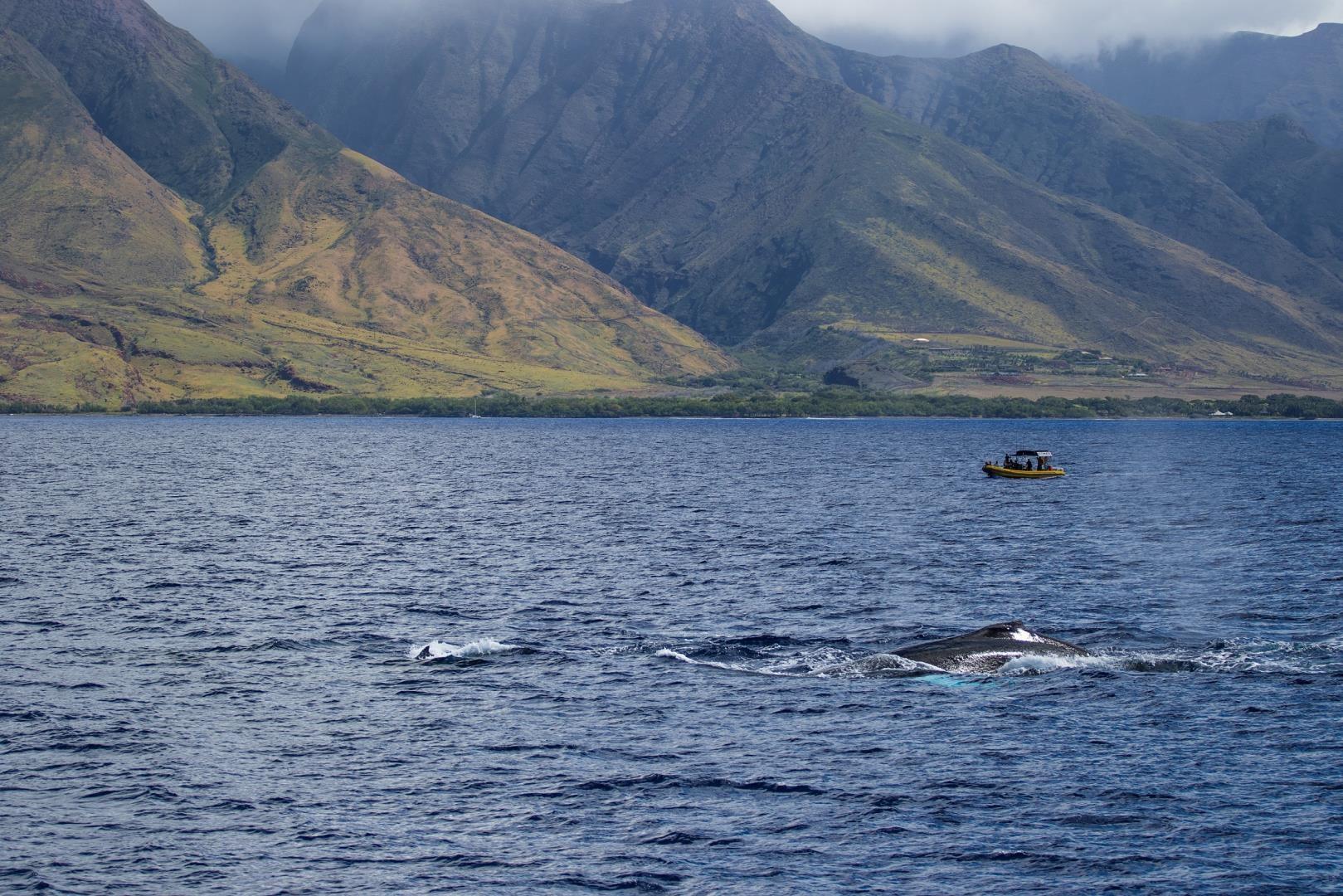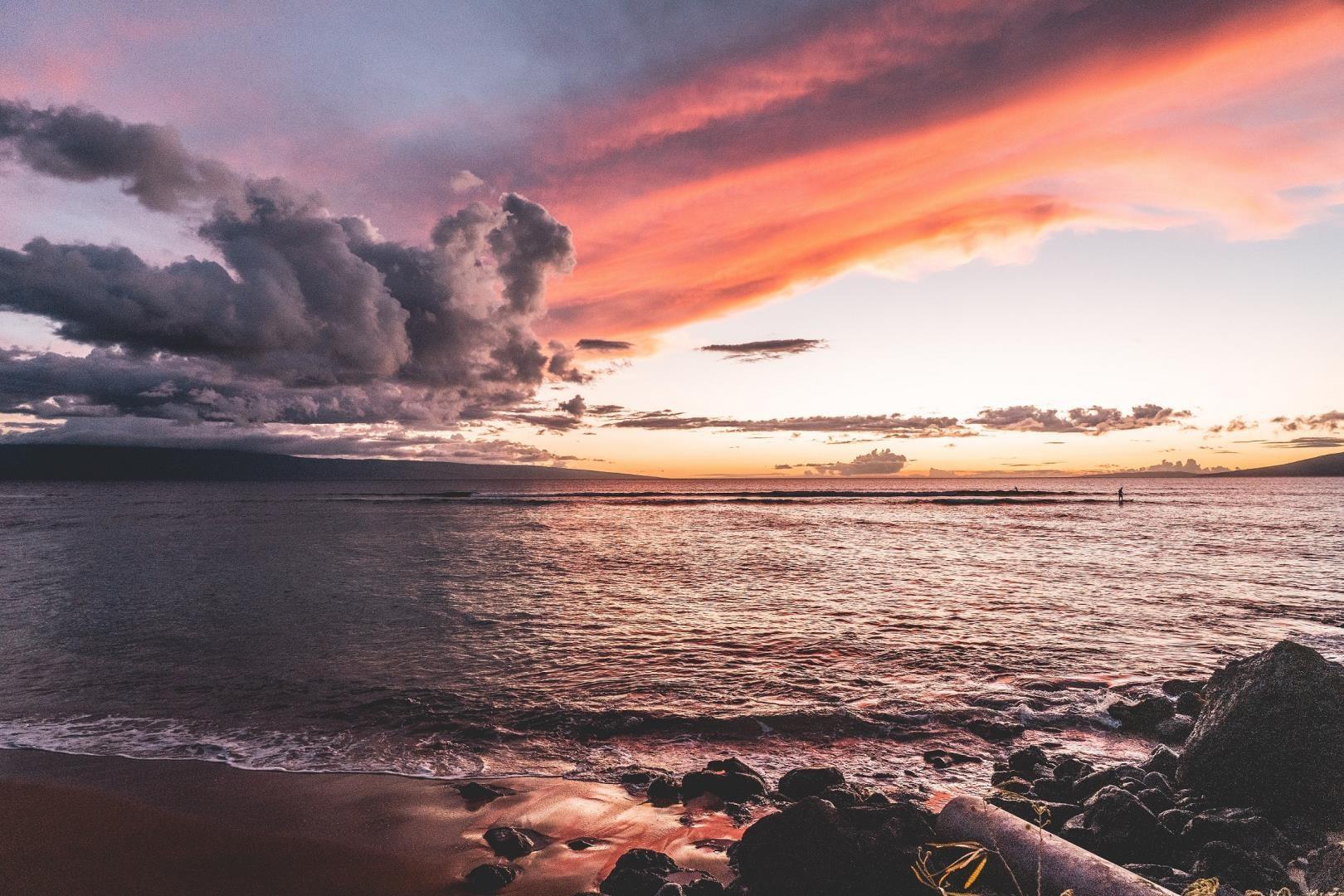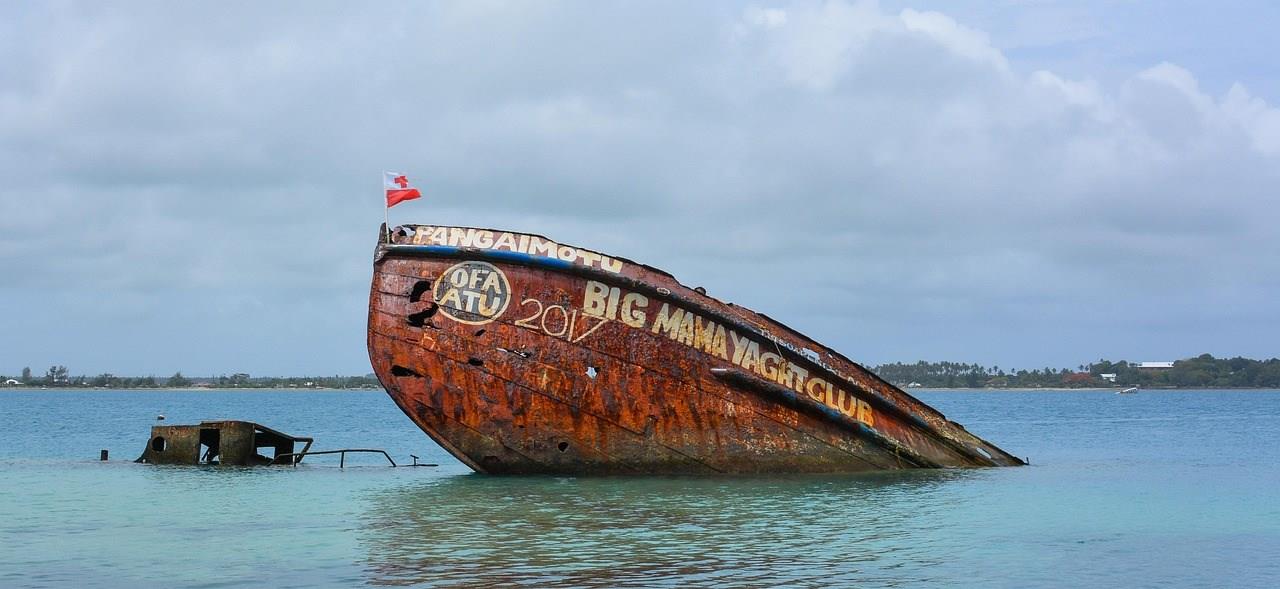
Tongatapu Island
Tongatapu, the main island of Tonga, is where tradition, history, and the South Pacific’s natural world intersect in quiet and unexpected ways. As the political and cultural center of the Kingdom of Tonga, it is home to the capital city, Nukuʻalofa, as well as ancient royal burial grounds, dramatic coastal blowholes, and friendly villages where daily life unfolds slowly.
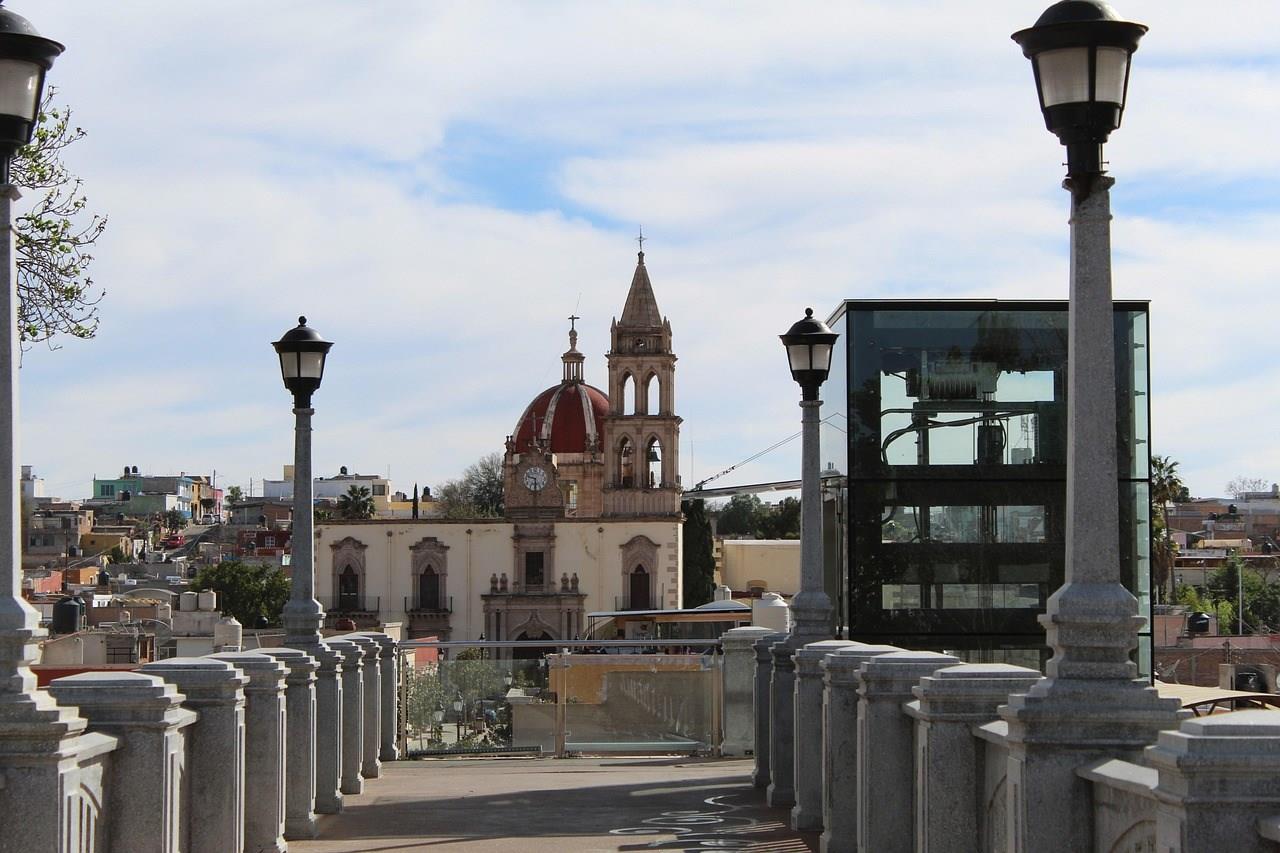
Durango
Victoria de Durango rises on a high plateau Mexico’s Sierra Madre Occidental, founded in 1563 by Francisco de Ibarra. Its streets trace layers of history: the historic center holds the most listed buildings in northern Mexico and remains a notable stop on the Camino Real de Tierra Adentro, now a UNESCO World Heritage route.
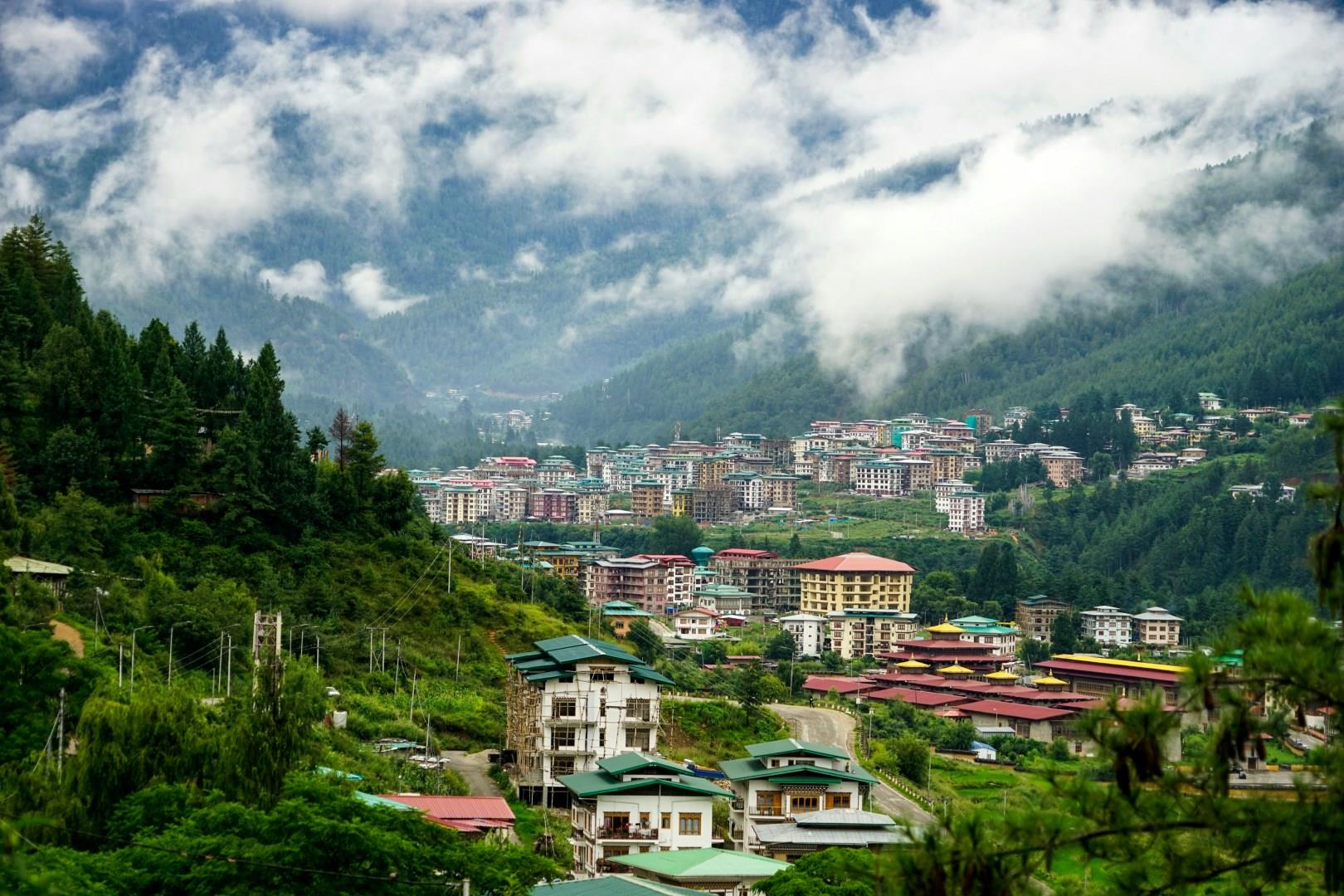
Thimpu
Thimphu, the capital of Bhutan, is a city where tradition and modern life meet in unexpected ways. Streets are lined with traditional Bhutanese architecture, colorful prayer flags, and shops selling handicrafts, while government offices and modern facilities operate alongside centuries-old temples.

Cartagena
Southeast Spain's seaport of Cartagena is a large naval base on the Mediterranean coast. The city was founded in 220 B.C. and boasts Roman ruins, mosaics and murals.

Japan
Japan is a country where deep-rooted traditions exist alongside cutting-edge innovation. From serene temples and centuries-old castles to neon-lit cities and futuristic technology, it offers travelers an extraordinary variety of experiences