Munnar
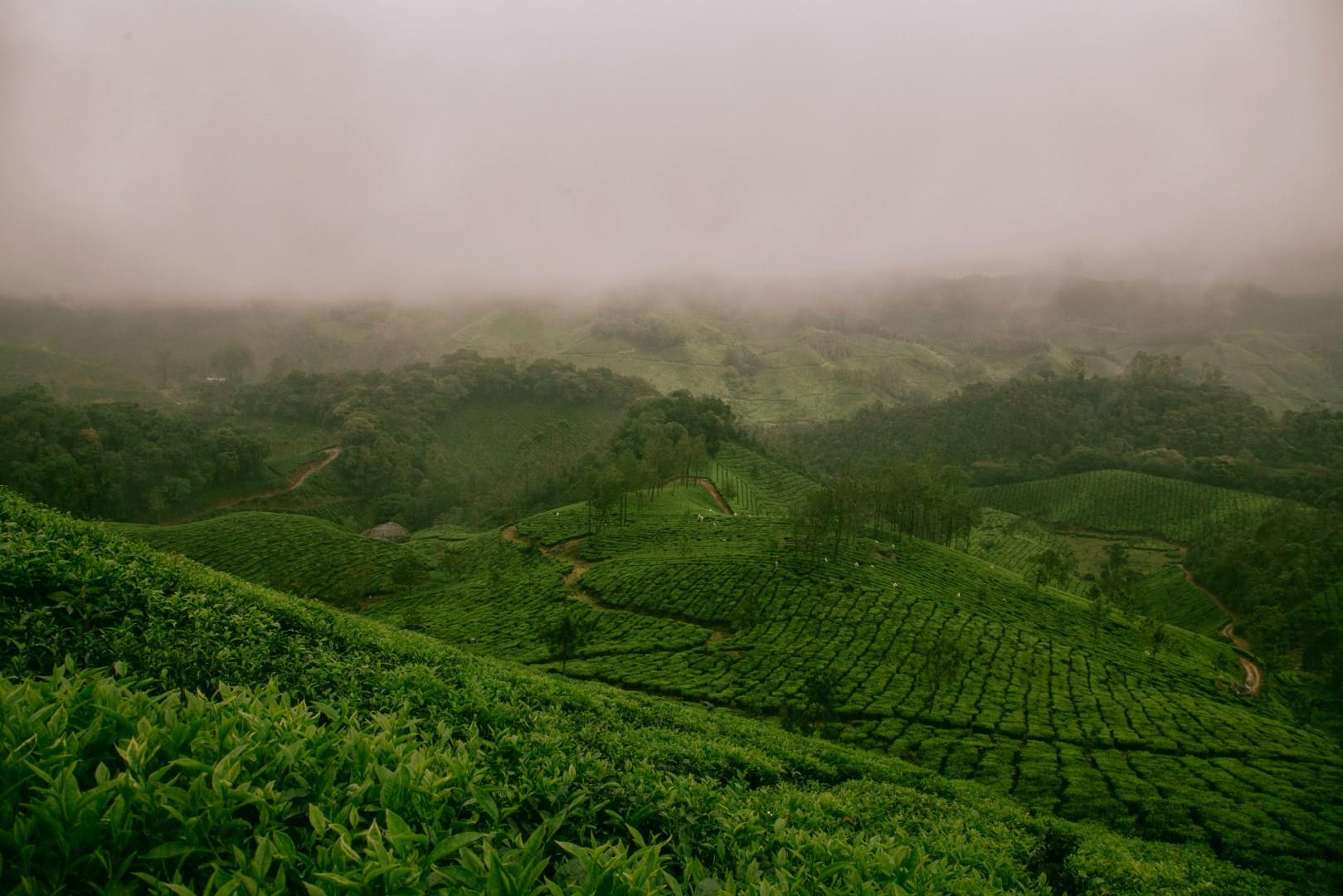
Munnar, located in the Western Ghats of Kerala, India, sits at around 1,600 meters above sea level and was once the summer resort of British colonial officers. Today, it’s known for its vast tea plantations, many of which date back to the 19th century. Visitors can walk through estates like Kolukkumalai, the highest tea plantation in the world, where traditional methods are still used to process leaves by hand.

Kruger National Park
Kruger National Park, located in northeastern South Africa, is one of the world’s premier wildlife reserves and a cornerstone of African conservation. Established in 1898, it spans nearly 20,000 square kilometers, making it larger than many countries.
Ronda
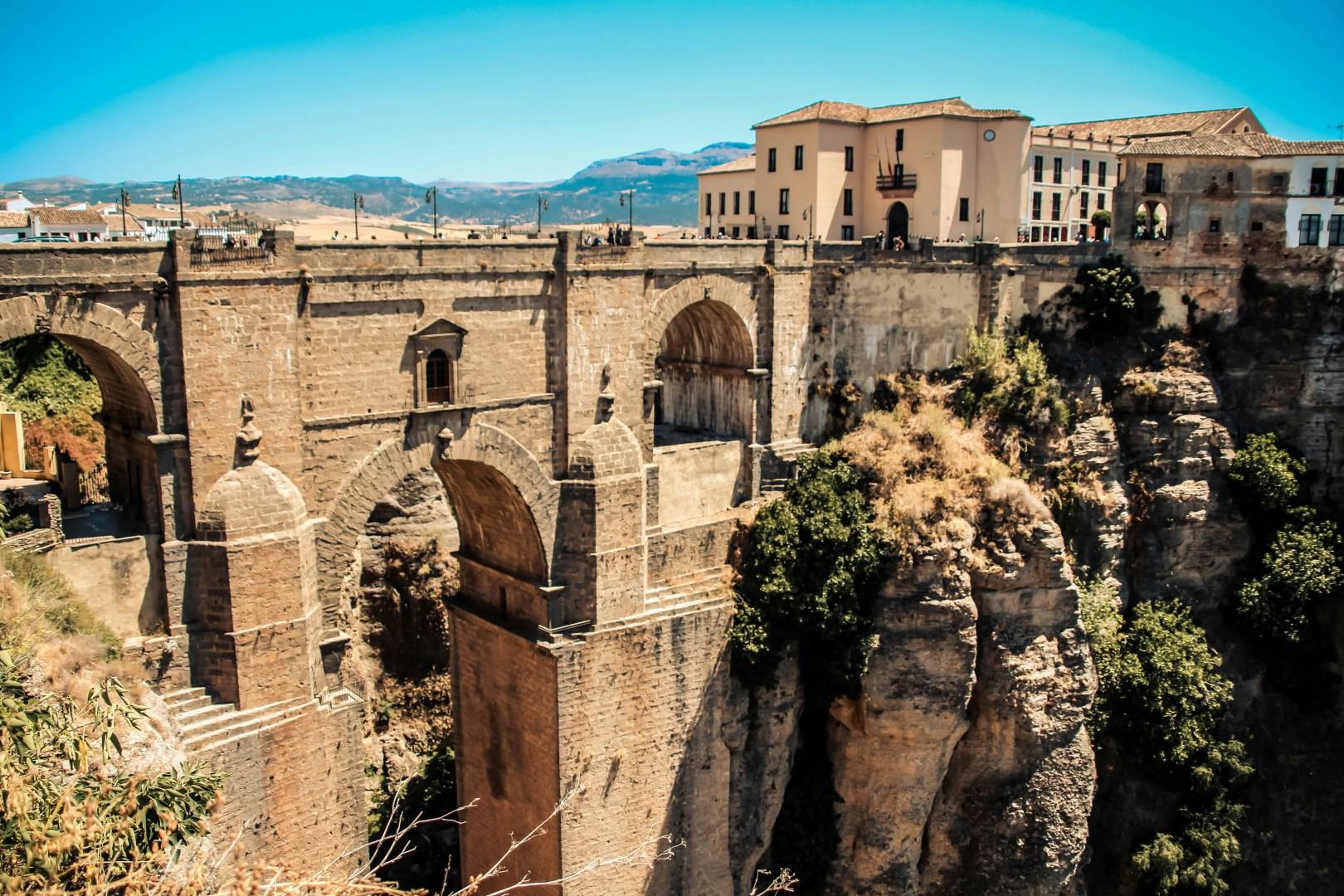
Ronda, perched high above the El Tajo gorge in southern Spain’s Málaga province, offers one of the most dramatic landscapes in Andalusia. The city is split in two by a 120-meter-deep canyon carved by the Guadalevín River, and connected by the iconic Puente Nuevo, an 18th-century stone bridge that took over 40 years to complete. Visitors crossing the bridge can stop at the viewpoint built into the stone itself, once used as a prison.

Zimbabwe
Zimbabwe, located in the heart of Southern Africa, is a country defined by dramatic landscapes and a rich cultural heritage. The country’s diverse geography includes sweeping savannas, lush national parks, and striking mountain ranges.

Seine River
The Seine River, meandering gracefully through the heart of Paris, is a living testament to the city’s rich history and vibrant culture. From the picturesque quays to the iconic landmarks lining its banks, the Seine offers an enchanting journey through Parisian elegance.