
Sonoma is a year-round haven that combines in one location everything you could desire in a memorable travel experience - the finest wine, dining, lodging, and spas, a flourishing arts community, interesting history and the bounty of Northern California's great outdoors.
Puebla, a city nestled in the heart of Mexico, is a captivating blend of colonial charm, vibrant culture, and rich history. Known as the "City of Angels," Puebla's well-preserved historic center is a UNESCO World Heritage site, filled with stunning baroque architecture, colorful tiled buildings, and bustling markets. Puebla is also a haven for food lovers, celebrated as the birthplace of some of Mexico’s most iconic dishes.
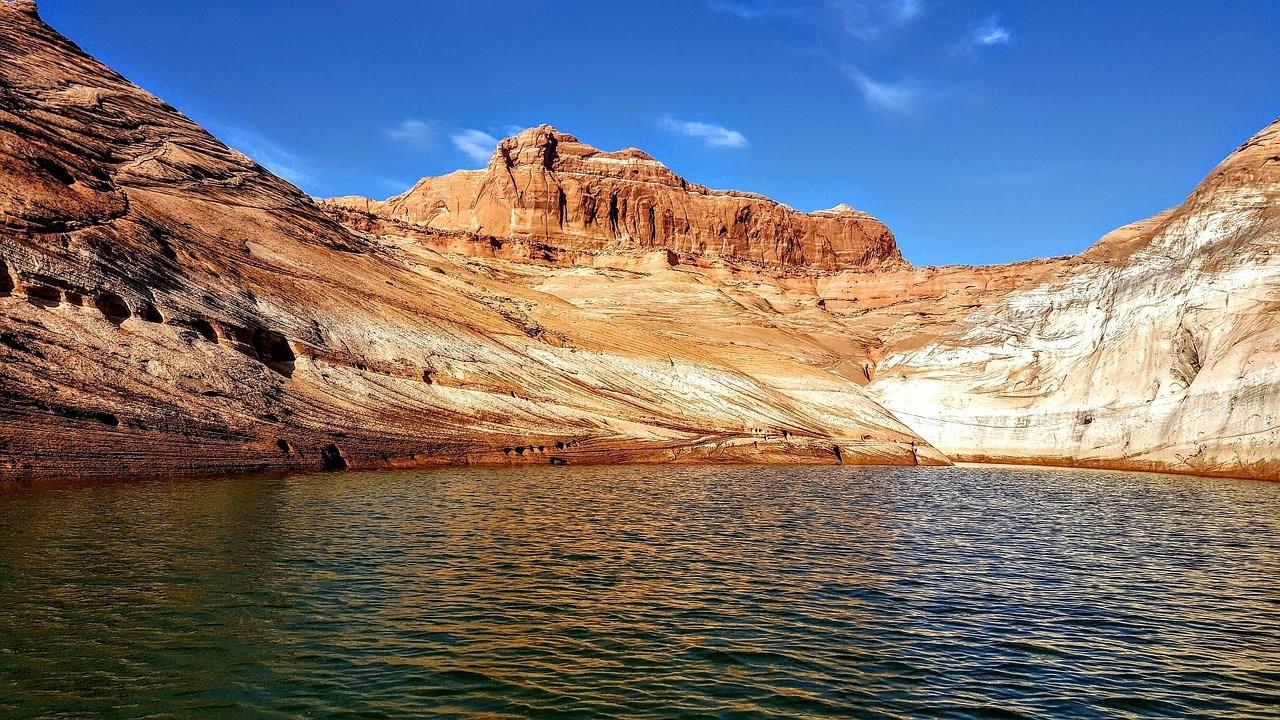
Lake Powell, stretching across the Utah-Arizona border, is one of the largest manmade reservoirs in the United States. Formed by the flooding of Glen Canyon after the completion of the Glen Canyon Dam in 1963, it covers over 180 miles in length and contains nearly 2,000 miles of shoreline, more than the entire West Coast of the U.S. Despite its modern origins, the area has long been home to the Ancestral Puebloans and later Navajo communities.
The Port of Stavanger is a popular stop on the route to the Norwegian Fjords, and boasts a first-rate assortment of museums and cultural events. Old Stavanger has Europe’s best preserved wooden house settlement.

A lesser-known river port in the Mekong Delta, Sa Dec was once the capital of Dong Thap province of southern Vietnam. Today, it is best known for its flower gardens and authentic bustling market. The city is also famous as the setting for French writer Marguerite Duras' 1984 novel, The Lover, and its 1991 film adaptation of the same name.
The Volga River is an emblematic waterway that meanders through the heart of Russia, offering an exceptional journey through the country’s rich cultural and historical tapestry. As Europe’s longest river, stretching approximately 3,530 kilometers (2,194 miles), the Volga flows from the Valdai Hills to the Caspian Sea, weaving through major cities such as Tver, Nizhny Novgorod, and Volgograd. This grand river is not only vital for transportation and trade but also a central feature in Russia's cultural heritage.
Cruising along the Volga provides a unique vantage point to experience Russia's diverse landscapes and architectural marvels. The Volga River Cruises are particularly popular, offering travelers an opportunity to explore historic cities and picturesque countryside from the comfort of a riverboat. Highlights include the historic city of Kazan, with its stunning Kazan Kremlin, and Volgograd, known for its monumental Motherland Calls statue, which commemorates the fierce Battle of Stalingrad during World War II.
The river's significance is further underscored by its role in Russian folklore and literature. The Volga Boatmen's Song is a traditional Russian song that evokes the hardships and nostalgia of those who worked on the river. Additionally, the region is known for its vibrant festivals, such as the Volga Regatta, which celebrates the river's historical and cultural importance with rowing and boating events.
The Volga River is sometimes referred to as the “Mother Volga” because of its profound influence on Russian culture and its role in the livelihoods of countless communities along its banks. Its importance is reflected in the numerous cultural and historical sites that dot its course, making it a truly enchanting destination for those interested in exploring the depth of Russia's heritage.
