

Sidi Bou Said
Perched on a clifftop overlooking the Mediterranean Sea, Sidi Bou Said is a postcard-perfect village in Tunisia that enchants visitors with its striking white and blue architecture. Known for its iconic Andalusian-style buildings, Sidi Bou Said is a haven for artists, poets, and those seeking tranquility. Strolling through its narrow cobblestone streets, you’ll be greeted by the scent of jasmine and the vibrant colors of bougainvillea cascading from balconies.

Las Vegas
Las Vegas, Nevada, is an electrifying city where glitz and glamour meet entertainment and excitement. Known as "The Entertainment Capital of the World," Las Vegas offers an unparalleled array of attractions, from its iconic casinos and luxurious hotels to its world-class dining and live shows. The city's entertainment scene is second to none, featuring legendary headliners, cutting-edge performances, and an array of themed attractions.

Table Mountain
Table Mountain, the iconic flat-topped mountain overlooking Cape Town, South Africa, is a must-visit destination for nature enthusiasts and adventure seekers. Dominating the skyline, this majestic peak is part of the Table Mountain National Park, a UNESCO World Heritage Site known for its diverse flora and fauna. The mountain is renowned for its panoramic views of Cape Town, the Atlantic Ocean, and the surrounding landscapes.
Montagu
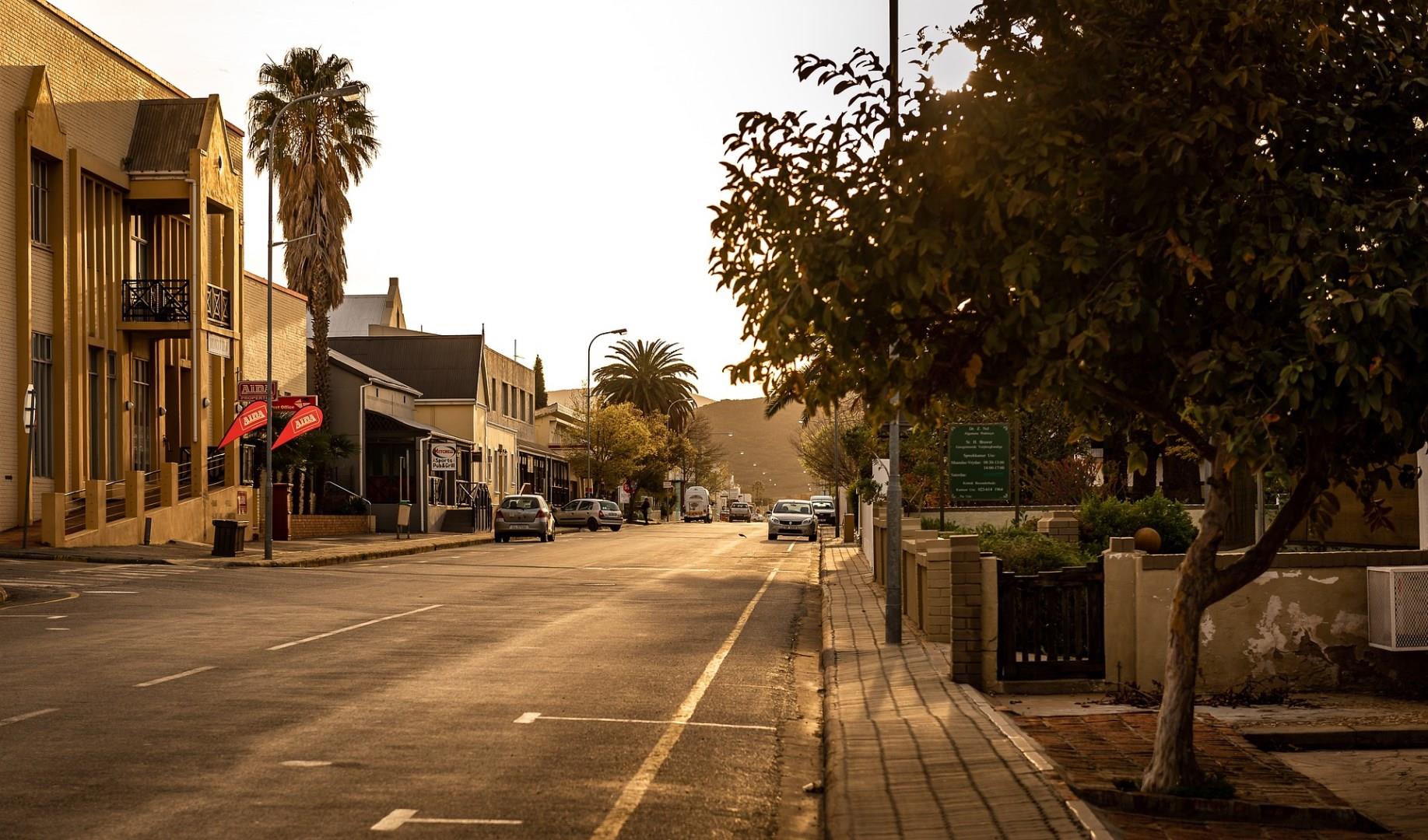
Nestled in the heart of South Africa’s Western Cape, Montagu is a charming town renowned for its natural beauty and historical significance. Surrounded by rugged mountains and lush vineyards, Montagu is a gateway to the stunning Klein Karoo region. Visitors are drawn to its remarkable architecture, particularly the well-preserved Cape Dutch and Victorian buildings that line the streets, reflecting the town’s rich history.
Colonia del Sacramento
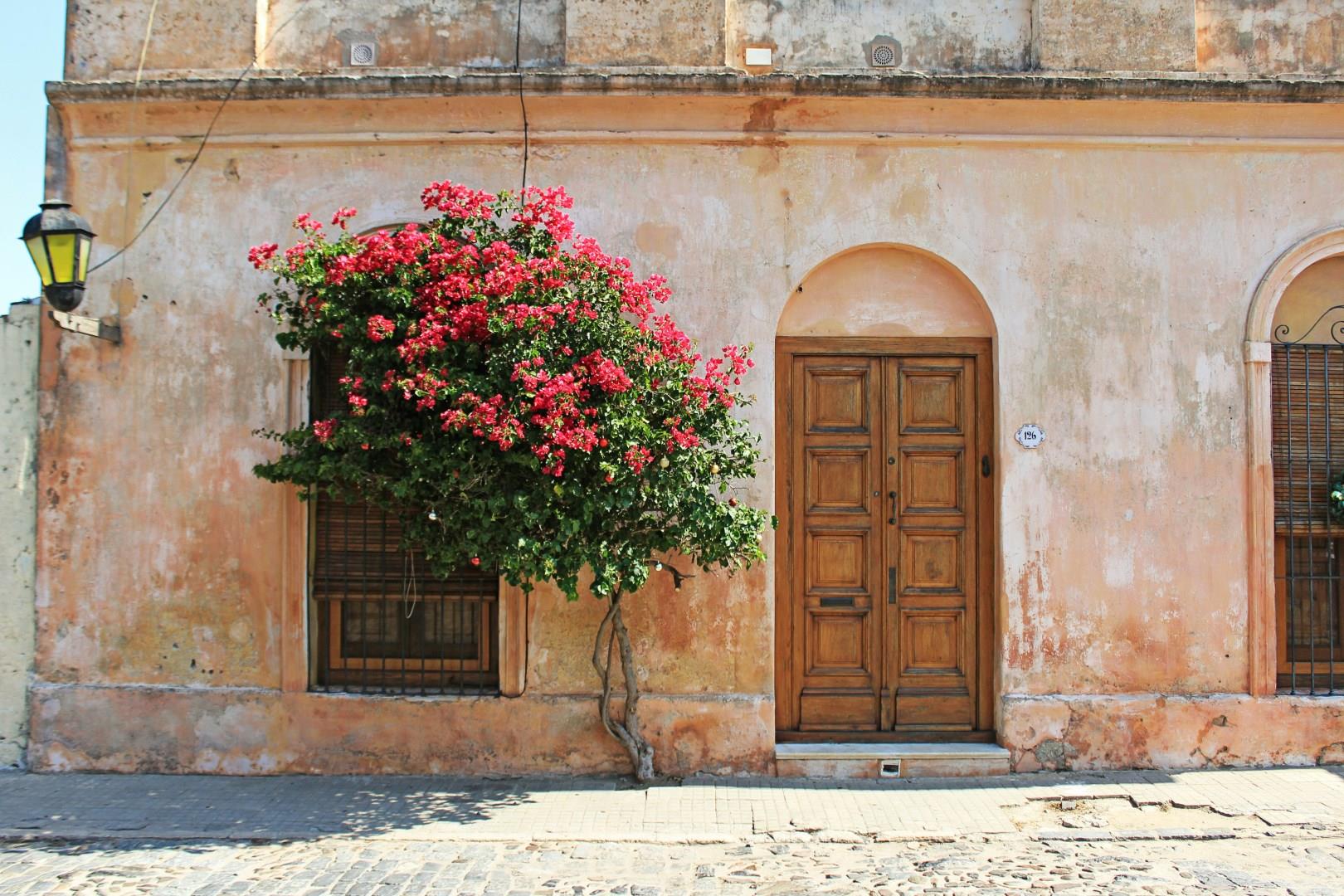
Colonia del Sacramento is where time lingers. Founded in 1680 by the Portuguese and later contested by the Spanish, the town’s past is etched into its cobblestone streets and weathered facades. The Barrio Histórico, a UNESCO World Heritage Site, is compact enough to walk in an afternoon yet layered with centuries of stories. Visitors can explore remnants of the original city walls and climb the iconic lighthouse for sweeping views of the Río de la Plata.


