

Tournon
A popular stop on river cruises down the Rhône, Tournon, France is a picturesque town south of Lyon. Despite its small size, this French ville is instantly charming. From historic buildings like the Château-Musée de Tournon and the Église Saint-Julien de Tournon, to the lush botanical splendor of the Jardin d’Eden, Tournon’s quaint beauty is guaranteed to enchant.
Hakone
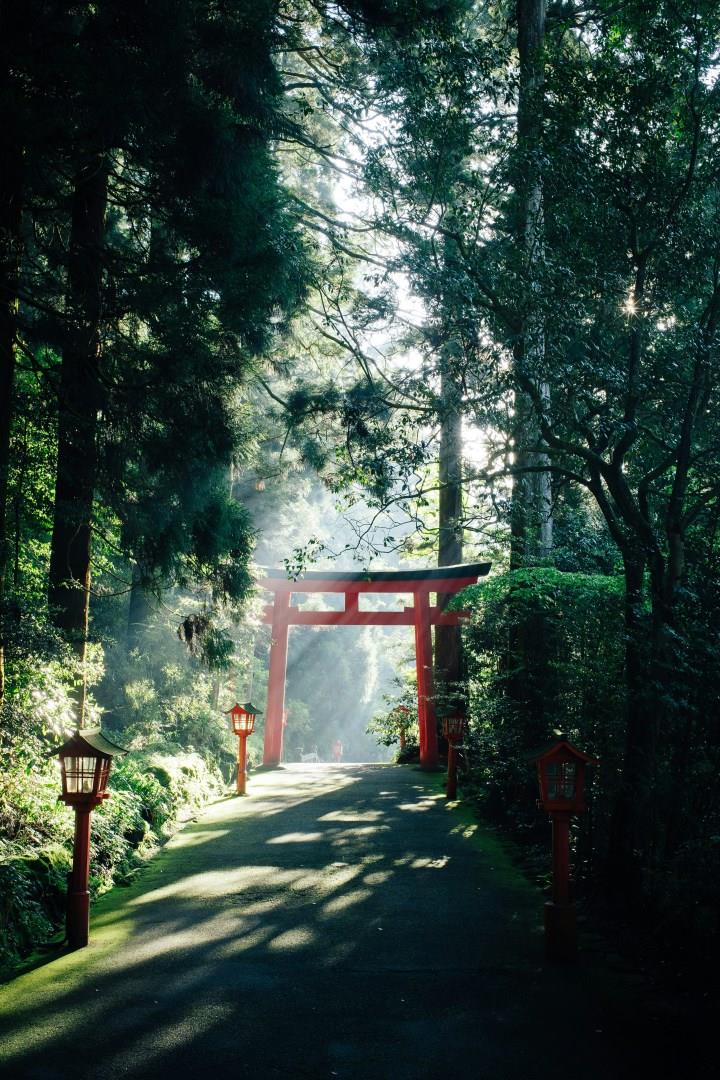
Nestled in the mountains just 90 minutes from Tokyo, Hakone has long been a retreat for travelers seeking both quiet and culture. Once a crucial checkpoint on the historic Tōkaidō road between Edo and Kyoto, Hakone is still shaped by centuries of history. The reconstructed Hakone Sekisho (Hakone Checkpoint) offers a glimpse into the Edo Period, when travelers were inspected by samurai guards before continuing on their journey.

Bardolino
Nestled along the southeastern shores of Lake Garda, Bardolino offers a quintessential Italian experience filled with charm, history, and natural beauty. Known for its rolling vineyards and olive groves, Bardolino is the heart of one of Italy’s most celebrated wine regions. Here, you can stroll through narrow, cobbled streets lined with pastel-colored buildings, visit cozy enotecas to sample the renowned Bardolino DOC wines, or enjoy a lakeside meal in a trattoria.
Miltenberg
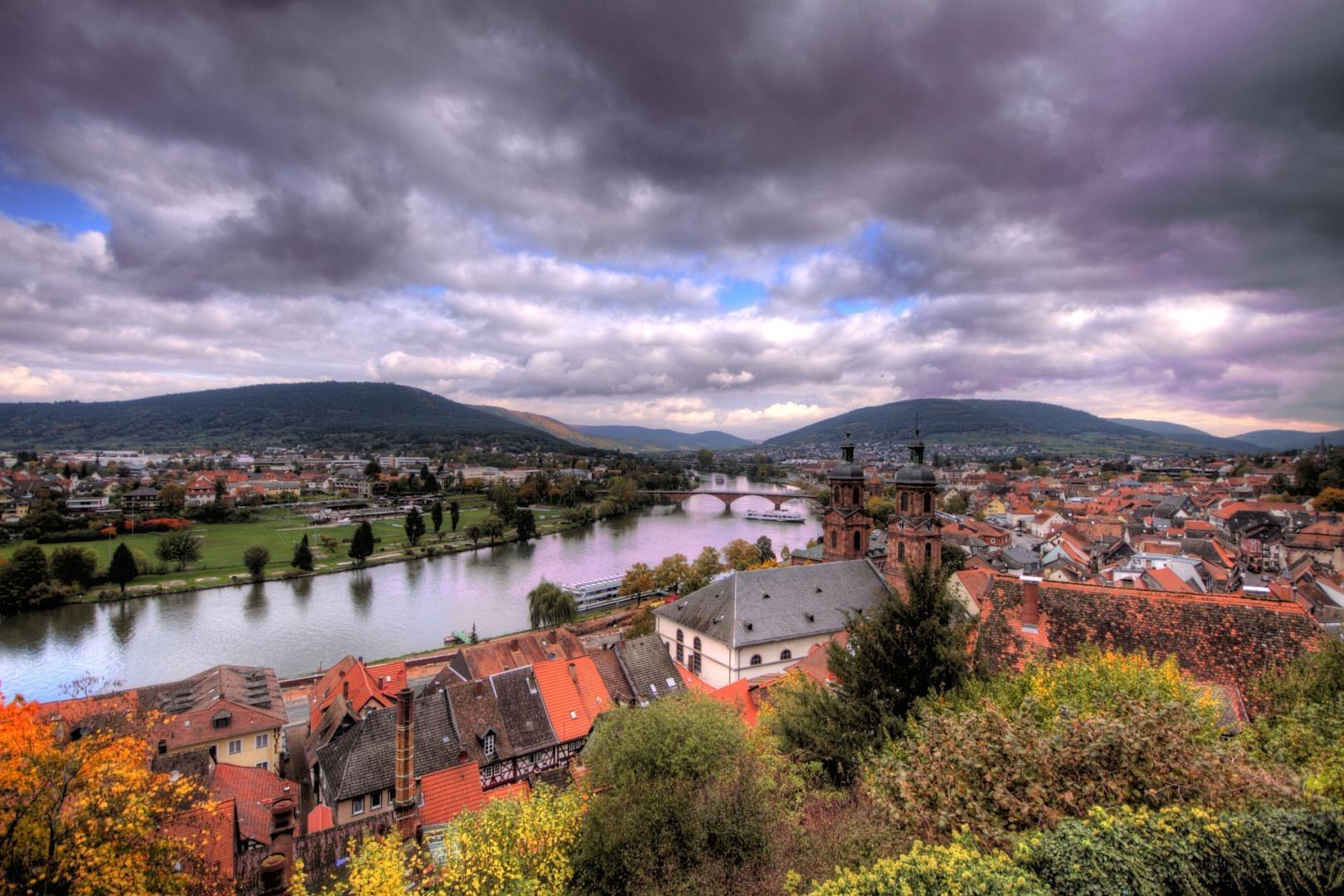
This quaint and historic village has a notable Old Town with over 100 half timbered houses, with the oldest dating to 1339. During your exploration of Miltenberg, make sure to stop the oldest and most historic bar in town, a 500-year-old hangout that locals refer to simply as Weinhaus.

Spitzkoppe
Spitzkoppe, often referred to as the "Matterhorn of Namibia," is a stunning granite peak rising majestically from the desert floor, offering some of the most dramatic landscapes in the country. Located between Usakos and Swakopmund, this isolated mountain range, with its highest point standing at 1,728 meters, is a paradise for hikers, climbers, and nature lovers. The area is also rich in ancient San rock art, providing visitors with a glimpse into Namibia's prehistoric past.


